

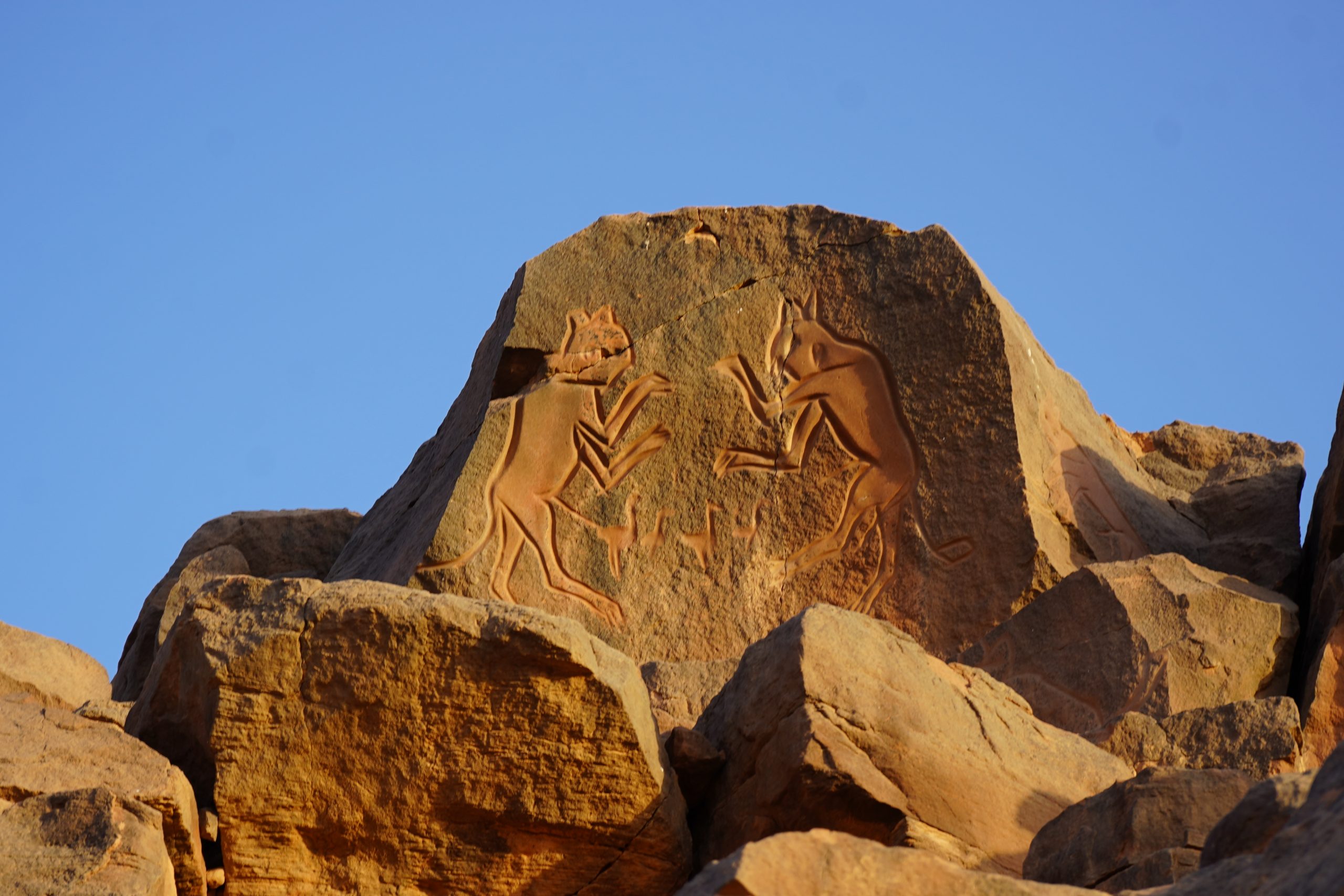
Acacus Mountains
Travelers who are ready to stray from the main route will find that Libya is a country with a lot to offer. The Acacus Mountains, which are found in the southwest of the nation, are one of its undiscovered beauties. Anyone visiting Libya should be sure to see the Acacus Mountains, which are a natural wonder with extraordinary vistas, a rich cultural history, and a peaceful atmosphere.
The mountains are well-known for their red sandstone formations, old archaeological sites, and prehistoric rock art, which provide tourists with a window into the history and culture of the area. The beauty and importance of the Acacus Mountains will be discussed in this article.
Acacus Mountains, Libya: A Brief Overview
In the western Libyan desert of the Ghat District, which is a part of the Sahara, the Acacus Mountains, also known as Tadrart Akakus, are a mountain range. They are located 100 kilometers north of the border with Algeria, to the east of the Libyan city of Ghat. A wide variety of prehistoric rock art can be seen in the area.
The Acacus Mountains have stunning natural beauty. Some of the most breathtaking scenery on earth can be found in the mountains. The red sandstone formations in the highlands are famous for their natural arches and pillars that were formed by wind and rain over millions of years.
The region's oasis and sand dunes are especially distinctive and add to the strange ambiance. There are numerous routes that visitors can use to explore the Acacus Mountains, which are fantastic locations for hiking.
History of the Acacus Mountains in Libya
The Sahara Desert continues into the Acacus Mountains, which have a long history and significant cultural value. As a result of the region's long human presence, there are numerous significant archaeological sites and works of rock art.
The mountains are covered in prehistoric rock art that dates to about 12,000 BC. Hunting scenes, animals, and humans are all depicted in rock art, providing insight into the way of life of those who once resided in the area.
As a UNESCO World Heritage Site, rock art is a must-see for anybody traveling through the area. Numerous archaeological monuments, such as old cities and graveyards, as well as rock art, showcase the area's rich cultural history.
Visiting the Acacus Mountains
It might be challenging to get to and through the Acacus Mountains. The mountains are best reached by car, and travelers are encouraged to hire a local guide to help them explore the area. Additionally, there are numerous tiny towns and villages in the region where tourists can stay, and many people also provide lodging for guests.
The Tadrart Acacus contain a wide variety of sceneries, including deep wadis, gorges, arches, and dunes of various colors. The Afzejare and Tin Khlega arches are notable sights. Even though this region of the Sahara is among the driest, there is vegetation there, including the therapeutic Calotropis procera, and there are several springs and boreholes in the mountains.
Conclusion
In Libya, the Acacus Mountains are undiscovered treasures that combine breathtaking natural beauty with a deep cultural history. Anyone interested in history, art, or nature should visit the mountains. Visitors are recommended to protect the area's natural environment and cultural history because it is also highly fragile and must be conserved. The Acacus Mountains are a must-see location for visitors to Libya and provide a singular and remarkable experience.

00 Comments
No comments yet.
Leave a Comment