

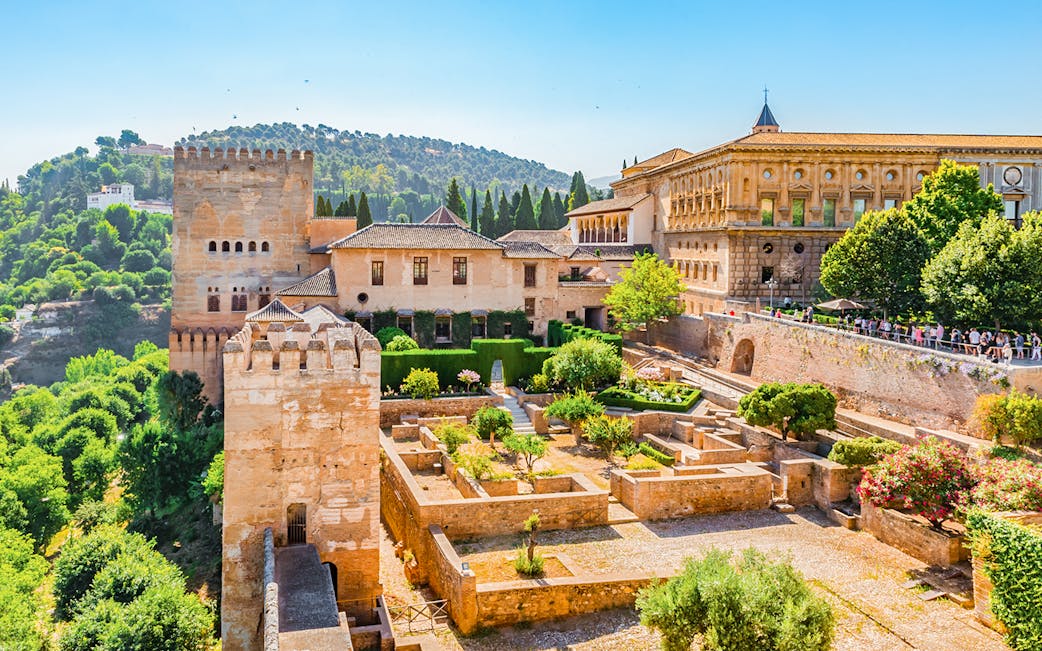
Alhambra
Introduction
The Alhambra is one of the most famous historical monuments in the world and a shining example of Islamic architecture in Europe. Located in Granada, Spain, this magnificent palace and fortress complex reflects the artistic, cultural, and political achievements of the Nasrid dynasty, the last Muslim rulers of Al-Andalus. With its intricate carvings, elegant courtyards, peaceful gardens, and historical importance, the Alhambra attracts millions of visitors every year.
More than just a tourist attraction, the Alhambra represents centuries of history, cultural exchange, and architectural brilliance. It combines beauty with functionality and stands as a reminder of a period when science, art, and culture flourished in medieval Spain. This article explores the geography, attractions, architecture, historical importance, threats, and conservation efforts related to the Alhambra.
Geography and Location
The Alhambra is situated on the Sabika Hill in Granada, in the Andalusia region of southern Spain. Its elevated position overlooks the city of Granada and the fertile plains below, with the Sierra Nevada mountains in the background. This strategic location allowed the complex to function as both a defensive fortress and a royal residence.
The surrounding environment plays an important role in the Alhambra’s design. Natural elements such as water, gardens, and open courtyards were carefully integrated into the architecture. The Mediterranean climate of Granada, with hot summers and mild winters, influenced the use of shaded areas, flowing water, and enclosed spaces to create comfort and tranquility.
Main Attractions of the Alhambra
The Nasrid Palaces
The Nasrid Palaces form the heart of the Alhambra and are its most famous attraction. These palaces include beautifully decorated halls, courtyards, and chambers used by the royal family. The walls are covered with detailed stucco carvings, Arabic calligraphy, and geometric patterns, showcasing exceptional craftsmanship.
Court of the Lions
The Court of the Lions is the most iconic part of the Alhambra. At its center is a marble fountain supported by twelve stone lions. This courtyard symbolizes power, balance, and harmony and highlights the importance of water in Islamic culture.
The Generalife
The Generalife served as a summer palace and retreat for the rulers. It is famous for its lush gardens, fountains, and walkways designed to represent paradise. The peaceful atmosphere makes it one of the most relaxing areas of the complex.
Architectural and Artistic Features
The Alhambra is a masterpiece of Islamic architecture. Instead of large statues, decoration focuses on patterns, arches, calligraphy, and tile work. Light and water are key design elements, creating reflections and a calming environment. Quranic verses and poetic inscriptions carved into the walls add spiritual and cultural depth.
The Palace of Charles V, built after the Christian reconquest, stands within the complex. Its Renaissance style contrasts sharply with the Islamic design of the Alhambra, highlighting the cultural transition in Spanish history.
Historical Importance
The Alhambra represents the final period of Muslim rule in Spain, which lasted nearly 800 years. Built mainly during the 13th and 14th centuries, it served as the political and cultural center of the Nasrid kingdom. In 1492, Granada fell to the Catholic Monarchs, marking the end of Islamic rule in Spain.
Despite changes and additions over time, the Alhambra remains a powerful symbol of cultural coexistence and historical transformation. It reflects the blending of Islamic and European influences that shaped Spain’s identity.
Threats to the Alhambra
Like many historical monuments, the Alhambra faces several challenges:
• Mass Tourism – Large numbers of visitors can damage delicate surfaces.
• Weathering – Wind, rain, and temperature changes affect fragile materials.
• Aging Structures – Centuries-old walls and carvings require constant care.
• Urban Pressure – Development around Granada can impact the site’s environment.
These threats make preservation efforts essential.
Conservation and Protection Efforts
The Alhambra is a UNESCO World Heritage Site, and strict measures are in place to protect it. Conservation efforts include:
• Limiting daily visitor numbers
• Ongoing restoration and maintenance work
• Scientific research on materials and structures
• Controlled pathways to reduce physical damage
• Educational programs to raise awareness
These actions help preserve the monument for future generations while allowing visitors to experience its beauty responsibly.
Why the Alhambra Is Popular
The Alhambra is admired worldwide because of:
- Architectural Excellence – Unique Islamic design and artistry
- Historical Significance – A symbol of medieval Spain’s cultural heritage
- Scenic Setting – Stunning views of Granada and the surrounding landscape
- Cultural Value – A place of learning, inspiration, and reflection
- Global Recognition – One of Europe’s most visited monuments
Conclusion
The Alhambra is more than a palace or fortress; it is a timeless work of art and history. Its elegant architecture, peaceful gardens, and deep cultural meaning make it one of the most important monuments in the world. By preserving the Alhambra through careful conservation and responsible tourism, humanity ensures that this extraordinary symbol of creativity and coexistence continues to inspire future generations.

00 Comments
No comments yet.
Leave a Comment