

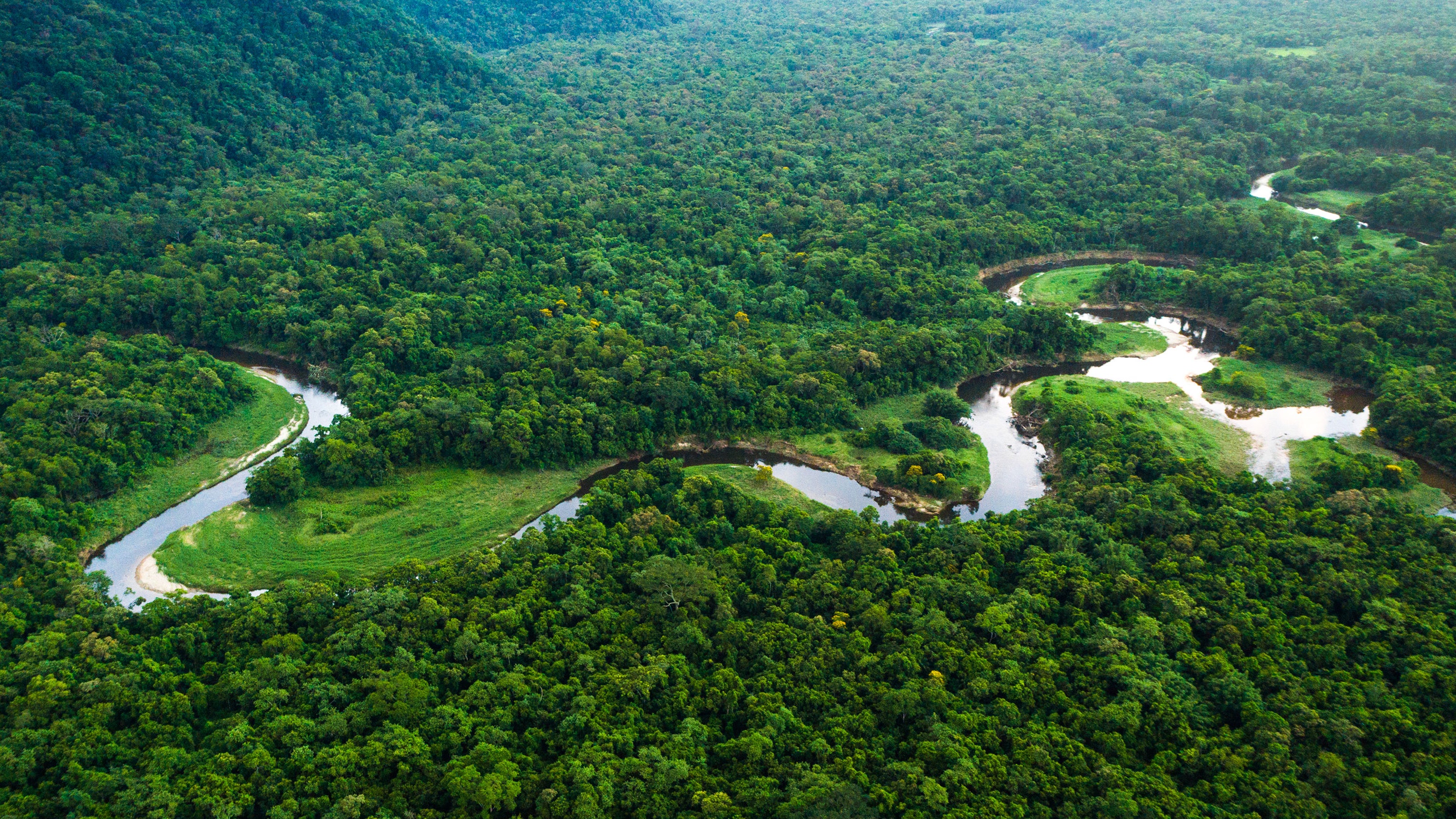
Amazon Rainforest
The largest tropical jungle in the world is the Amazon Rainforest. This forest covers an area of more than five million square kilometers, which is roughly the size of the United States. The Amazon River is the longest in the world and runs through the rainforest.
Over 16,000 different types of animals make up the Amazon Rainforest. Some of these animals include lions, tigers, elephants, and monkeys. The rainforest also has more than six hundred different kinds of birds.
The Amazon Rainforest plays a crucial role in the Earth's ecosystem. It helps to regulate the Earth's climate and weather patterns. The rainforest also provides a home for many plants and animals that cannot live anywhere else.
Location and Climate of the Amazon Rainforest
The Amazon rainforest spreads over the Northern and Western Hemispheres. The Amazon Basin covers an area of 7 million square kilometers, which is about the size of Australia. The Amazon rainforest covers the areas of many countries, including Brazil, Peru, Colombia, Venezuela, Ecuador, Bolivia, Guyana, Suriname, and French Guiana. Brazil is home to the majority of the Amazon Rainforest, which is 60% of the total.
The climate of the Amazon rainforest is tropical. The rainfall is very high, with an annual average of 2200mm. The Amazon rainforest has two distinct seasons, the wet and dry seasons. October through May is the wet season, and June through September is the dry season.
Flora and Fauna of the Amazon Rainforest
The Amazon Rainforest comprises diverse plant and animal life. Many of the plants and animals found in the Amazon are not found anywhere else in the world.
The rainforest is a vital ecosystem that provides homes for millions of different species of plants and animals. The Amazon Rainforest is also known as the earth's lungs. Thus it plays a vital role in regulating global climate.
The Amazon rainforest is home to an estimated 10% of the world's terrestrial biodiversity, with more than 40,000 plant species and 3,000 animal species. The following are some examples of flora and fauna found in the Amazon rainforest:
· Plants: There are thousands of species of plants in the Amazon rainforest. Some common types include trees, shrubs, vines, grasses, and flowers.
· Animals: The Amazon is home to various animals, including mammals, reptiles, amphibians, birds, and fish. Some of the more well-known animals that live in the rainforest include jaguars, monkeys, sloths, toucans, and anacondas.
· Insects: There are millions of species of insects in the Amazon rainforest. Some more common insects include butterflies, beetles, mosquitoes, and ants.
The Amazon rainforest is a vital part of our planet, and it is necessary to protect it.
The Deforestation of the Amazon Rainforest
The Amazon rainforest helps to regulate the world’s climate and weather patterns. The trees in the rainforest absorb carbon dioxide and release water vapor into the atmosphere. This process helps to stabilize Earth’s temperature and prevent extreme weather conditions.
Deforestation of the Amazon rainforest can harm the global climate. When we cut trees, they no longer have the ability to absorb carbon dioxide. It can cause an increase in greenhouse gas emissions, which can contribute to climate change. Additionally, deforestation can lead to soil erosion and decreased water quality.
The Conservation of the Amazon Rainforest
The Amazon rainforest is the world's largest tropical jungle, covering an area of 5.5 million square kilometers (2.1 million square miles). It spreads over the following countries: Brazil, Peru, Colombia, Venezuela, Ecuador, Bolivia, Guyana, Suriname, and French Guiana.
The Amazon rainforest plays a vital role in global climate change. As estimated, this forest absorbs around 2 billion tons of carbon dioxide yearly – equivalent to 10% of global emissions. The Amazon rainforest is also a prime source of fresh water for South America.
However, the Amazon rainforest is under threat from human activity. Deforestation for agriculture and cattle ranching is the biggest threat to the rainforest. According to data from Brazil's National Institute for Space Research (INPE), deforestation in the Brazilian Amazon increased by 22% between 2006 and 2020, which is the highest of this time.
The good news is that many initiatives are underway to protect the Amazon rainforest. For example, the Brazilian government has created the world's largest tropical forest reserve, the Renca Reserve, which covers an area twice the size of Germany. Many NGOs are also trying to safeguard the forest and its native population.
You can help protect the Amazon rainforest by supporting initiatives to halt deforestation and reducing the consumption of the products that come from this forest.
Things to do in the Amazon Rainforest
The Amazon Rainforest is the world's largest tropical jungle, covering over five million square kilometers. It is home to an incredible species of plants and animals, including some of the world's most endangered species.
There are many things to do in the Amazon Rainforest, whether you are interested in its wildlife, history, or culture. Here are just a few ideas:
· Visit the rainforest's many national parks and reserves.
· Take a river cruise through the rainforest.
· Learn about the rainforest's indigenous people and their cultures.
· Go for birdwatching or wildlife watching in the rainforest.
· Enjoy the rainforest's natural beauty by hiking or camping.
Conclusion
The Amazon rainforest is a mesmerizing destination, full of different species of plants and animals. It is Earth's only tropical jungle spread over many countries, making it a significant part of our planet's ecosystem. Sadly, the rainforest is under threat from deforestation and other human activities, which is why it is so important that we do what we can to protect it.
You can visit one of the rainforest's national parks or reserves, take a river cruise through the rainforest, learn about the indigenous people who live there, or go birdwatching or wildlife watching. You can also enjoy the rainforest's natural beauty by hiking or camping.
00 Comments
No comments yet.
Leave a Comment