

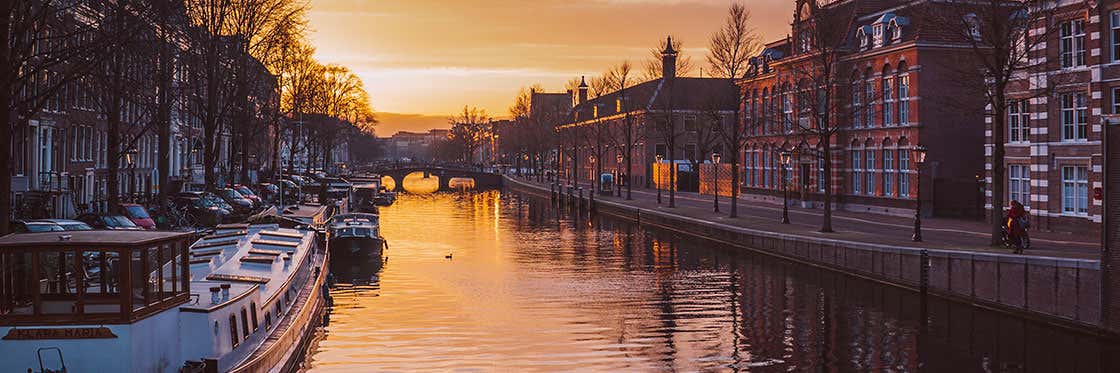
Amsterdam Canals
Introduction
The city of Amsterdam, the capital of the Netherlands, is famous around the world for its beautiful and historic canal system. The Amsterdam Canals are not just waterways; they are the heart and soul of the city. These canals shape the city’s layout, influence daily life, and reflect the intelligence and creativity of Dutch engineering. Because of their historical, cultural, and architectural importance, the Amsterdam Canals are recognized as a UNESCO World Heritage Site.
Built several centuries ago, the canals have played an important role in trade, transportation, defense, and urban planning. Today, they attract millions of tourists each year and continue to be an essential part of Amsterdam’s identity. This article explains the basic details, history, construction, importance, why the canals are famous, life around the canals, tourism, best time to visit, preservation, and ends with a clear conclusion.
Basic Details of the Amsterdam Canals
The Amsterdam Canal Ring, also known as the Grachtengordel, is a network of canals built mainly during the 17th century. The canal system includes more than 100 kilometers of waterways, around 90 islands, and over 1,500 bridges.
The three main canals that form the core of the canal ring are:
- Herengracht
- Keizersgracht
- Prinsengracht
These canals curve around the old city center in a semi-circular shape. Along the canals, narrow houses, historic buildings, and tree-lined streets create a unique and charming urban landscape.
Historical Background
The history of the Amsterdam Canals is closely connected to the growth of Amsterdam as a major European city. During the Dutch Golden Age in the 17th century, Amsterdam became one of the world’s most important trading centers. Trade, shipping, and business brought wealth and population growth to the city.
As more people moved to Amsterdam, the city needed better planning, housing, and transportation. To solve these problems, city planners designed an advanced canal system. The canals helped control water, improve transport, and organize urban expansion in a systematic way.
The canal project was ambitious and carefully planned. It showed the Dutch ability to live with water and use it wisely, which is especially important because much of the Netherlands lies below sea level.
Construction of the Canals
Building the Amsterdam Canals was a major engineering achievement. Large amounts of land had to be dug out to create the waterways. The soil removed during digging was used to raise land for streets and buildings.
Wooden poles were driven deep into the ground to support houses, because the soil in Amsterdam is soft and wet. This is why many canal houses appear slightly tilted today—they are built on wooden foundations that are hundreds of years old.
The canals were designed not only for beauty but also for practical purposes, such as:
- Transportation of goods
- Water management
- Defense
- City planning
This smart design made Amsterdam one of the best-organized cities of its time.
Why the Amsterdam Canals Are Famous
The Amsterdam Canals are famous for several reasons. First, they create a unique cityscape that cannot be found anywhere else in the world. The combination of calm water, historic houses, and arched bridges gives Amsterdam its special charm.
Second, the canals represent excellent urban planning. Unlike many old cities that grew randomly, Amsterdam expanded in a planned and organized way. This makes the canal system an important example in city planning and architecture studies.
Third, the canals are famous because of their cultural and historical value. They reflect the lifestyle, economy, and values of the Dutch people during the Golden Age.
The Main Canals Explained
Herengracht
Herengracht is the most prestigious canal. Wealthy merchants and important officials lived here during the Golden Age. The houses along this canal are large and beautifully decorated, showing the wealth of their owners.
Keizersgracht
Keizersgracht is the widest canal in the city. It was named after the Holy Roman Emperor. Many important buildings, museums, and offices are located along this canal.
Prinsengracht
Prinsengracht is the longest canal and is very popular with tourists. Famous attractions such as the Anne Frank House are located here. It is lively and full of activity.
Daily Life Around the Canals
The canals are not just tourist attractions; they are part of everyday life in Amsterdam. Many people live in houses or houseboats along the canals. Boats are used for transport, deliveries, and even as floating homes.
Bicycles, cafes, markets, and small shops are common sights along canal streets. The canals influence how people move, relax, and socialize in the city. Festivals, events, and celebrations often take place on or near the water.
Houseboats and Canal Homes
One unique feature of the Amsterdam Canals is the presence of houseboats. These floating homes are fully equipped with electricity, water, and modern facilities. Living on a houseboat is a distinctive lifestyle choice and shows how people adapt creatively to limited space.
The narrow canal houses are also famous. Because of high taxes in the past, houses were built narrow but tall. This gives Amsterdam its recognizable skyline.
Tourism and Attractions
Tourism plays a major role in the popularity of the Amsterdam Canals. Canal cruises are one of the most popular activities for visitors. These boat tours allow people to see the city from the water while learning about its history.
Other popular activities include:
- Walking along the canals
- Cycling across bridges
- Visiting museums near the canals
- Photography
The canals are especially beautiful at night when lights reflect on the water.
Why People Should Visit the Amsterdam Canals
Visiting the Amsterdam Canals offers a chance to experience history, culture, and daily life at the same time. The canals provide a peaceful and scenic environment while being in the middle of a busy city.
For students, the canals are an excellent example of:
- Human adaptation to nature
- Smart urban planning
- Historical preservation
They also help visitors understand how water has shaped Dutch culture and identity.
Best Time and Timing to Visit
The Amsterdam Canals can be visited all year round, but each season offers a different experience.
- Spring: Pleasant weather and flowers
- Summer: Busy, lively, and ideal for boat tours
- Autumn: Calm atmosphere and beautiful colors
- Winter: Quiet and sometimes frozen canals
Daytime is best for sightseeing, while evenings are perfect for enjoying the city lights.
Preservation and UNESCO Status
In 2010, the Amsterdam Canal Ring was added to the UNESCO World Heritage List. This recognition helps protect the canals from damage and uncontrolled development.
The Dutch government and local authorities work continuously to maintain water quality, restore buildings, and protect the historical character of the area. Preservation ensures that future generations can continue to enjoy this unique heritage.
Environmental Importance
The canals also play a role in environmental management. They help control water levels, reduce flooding, and support local ecosystems. Efforts are made to keep the canals clean and environmentally friendly.
Cultural Significance
The Amsterdam Canals are deeply connected to Dutch culture. They appear in paintings, literature, photographs, and films. Artists have been inspired by the calm water and historic surroundings for centuries.
The canals also reflect Dutch values such as organization, creativity, and cooperation.
Conclusion
The Amsterdam Canals are one of the most remarkable urban achievements in Europe. Built centuries ago, they continue to shape the city’s appearance, lifestyle, and culture. From their intelligent design and historical importance to their beauty and daily use, the canals are a true symbol of Amsterdam.
More than just waterways, the canals represent human creativity and the ability to live in harmony with nature. Visiting the Amsterdam Canals allows people to step into history while experiencing a vibrant modern city. Because of their cultural, architectural, and environmental value, the Amsterdam Canals remain one of the world’s most admired and unforgettable landmarks.
00 Comments
No comments yet.
Leave a Comment