

Aogashima
Introduction
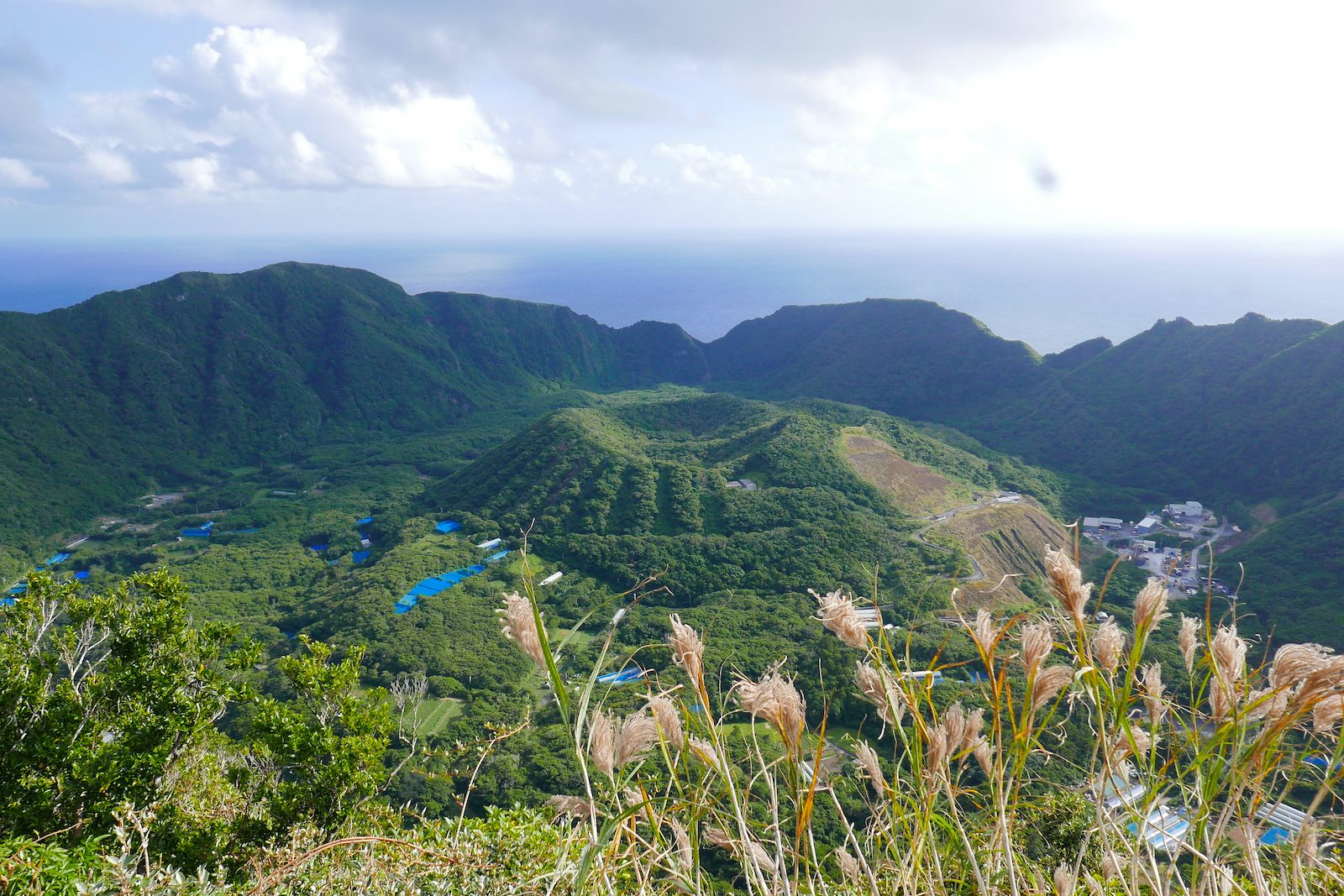
Hidden in the vast waters of the Philippine Sea, approximately 358 kilometers south of Tokyo, Aogashima is one of Japan's most extraordinary and least-visited islands. Famous as The Volcano Within a Volcano, Aogashima is a geological wonder where an active volcanic cone rises from the center of a much larger volcanic caldera, creating one of the rarest landscapes on Earth.
Part of the Izu Islands, Aogashima is home to fewer than 200 residents, making it one of Japan's most isolated inhabited islands. Towering volcanic cliffs surround the island, while lush subtropical forests, geothermal steam vents, scenic hiking trails, and breathtaking viewpoints make it a paradise for nature lovers and adventure seekers.
Unlike Japan's famous tourist destinations such as Mount Fuji or Kyoto, Aogashima remains largely untouched by mass tourism. Visitors are rewarded with pristine landscapes, peaceful surroundings, crystal-clear night skies, and the unique opportunity to stand inside one volcano while looking at another active volcano rising from its center.
Whether you're fascinated by geology, hiking, photography, or discovering hidden destinations, this Aogashima travel guide explains why Japan's volcanic island paradise deserves a place on every adventurous traveler's bucket list.
Where Is Aogashima? Geography and Volcanic Landscape
Aogashima belongs to the Izu Islands, an island chain administered by Tokyo despite being hundreds of kilometers from mainland Japan.
The island measures only about 9 square kilometers, yet its landscape is among the most spectacular in the Pacific.
A massive volcanic caldera forms the island's outer ring, while the central volcanic cone known as Maruyama rises dramatically from within the caldera.
Steep cliffs reaching over 400 meters surround much of the island, while dense forests, volcanic grasslands, geothermal fields, and coastal viewpoints create constantly changing scenery.
Its rare "volcano within a volcano" formation makes Aogashima one of the world's most remarkable geological destinations.
Why Is Aogashima Famous?
Aogashima is internationally known for its rare volcanic landscape and remote island atmosphere.
The island is famous for:
- A volcano inside another volcano
- Active geothermal activity
- Dramatic volcanic cliffs
- One of Japan's most isolated islands
- Crystal-clear night skies
- Scenic hiking trails
- Natural geothermal saunas
- Incredible stargazing
- Unique volcanic landscapes
- Peaceful island lifestyle
Its extraordinary geography makes Aogashima one of Japan's most fascinating hidden gems.
History of Aogashima
Aogashima has experienced a dramatic volcanic history for thousands of years.
The island was formed through repeated volcanic eruptions along the Pacific Ring of Fire, eventually creating its unique double-caldera landscape.
One of the most significant eruptions occurred during the 18th century, forcing the island's residents to evacuate after devastating volcanic activity.
Several years later, many families courageously returned to rebuild their community despite the continuing geothermal activity beneath the island.
Today, the island's small population lives alongside this active volcanic environment while preserving traditional Japanese island culture.
The resilience of Aogashima's residents has become an important part of the island's identity.
Top Attractions in Aogashima
Maruyama - The Volcano Within a Volcano
The island's most famous attraction is Maruyama, the volcanic cone located inside the larger caldera.
Visitors can hike around the crater while observing volcanic terrain shaped by centuries of geological activity.
The panoramic views from surrounding trails reveal one of the world's rarest volcanic formations.
For geology enthusiasts, Maruyama is the highlight of any visit to Aogashima.
Otonbu Viewpoint - The Island's Best Panorama
One of the best places to appreciate Aogashima's remarkable landscape is Otonbu Observation Point.
From here, visitors can admire the island's towering cliffs, central volcanic cone, dense forests, and the endless Pacific Ocean.
Sunrise and sunset transform the volcanic landscape into a spectacular display of colors.
The viewpoint is also popular among photographers seeking panoramic island views.
Geothermal Steam Fields
Aogashima's geothermal activity is visible throughout the island.
Natural steam vents continuously release heat from beneath the Earth's surface, creating fascinating volcanic scenery.
Locals use geothermal energy for cooking traditional meals and heating public facilities.
The naturally heated ground demonstrates the island's continuing volcanic activity.
Geothermal Sauna
One of Aogashima's most unique experiences is its natural geothermal sauna.
Heated entirely by volcanic steam, this traditional facility allows visitors to relax while surrounded by one of Japan's most extraordinary natural environments.
The sauna perfectly illustrates how residents have adapted to life on an active volcanic island.
Scenic Coastal Cliffs
Towering volcanic cliffs surround much of Aogashima's coastline.
These dramatic rock formations plunge directly into the Pacific Ocean, creating breathtaking viewpoints and spectacular photography opportunities.
On clear days, visitors can enjoy uninterrupted ocean views stretching to the horizon.
The rugged coastline highlights the immense volcanic forces that created the island.
Wildlife and Natural Environment
Despite its small size, Aogashima supports diverse subtropical ecosystems.
Visitors may encounter:
- Native seabirds
- Colorful butterflies
- Coastal fish species
- Native forest birds
- Subtropical plant life
The surrounding ocean also supports dolphins, whales during migration seasons, and rich marine biodiversity.
The island's remote location has helped preserve its natural environment with minimal human disturbance.
Best Things to Do in Aogashima
Aogashima offers unforgettable outdoor experiences.
Popular activities include:
- Hiking around the volcanic caldera
- Visiting geothermal steam fields
- Relaxing in volcanic saunas
- Stargazing
- Landscape photography
- Exploring coastal viewpoints
- Nature walks
- Learning about volcanic geology
- Camping
- Enjoying peaceful island life
Its quiet atmosphere makes Aogashima ideal for travelers seeking solitude and adventure.
Local Culture and Island Life
Life on Aogashima revolves around a close-knit community that has adapted to one of Japan's most challenging environments.
Residents rely on fishing, small-scale agriculture, and tourism while preserving traditional customs.
Visitors can sample local cuisine prepared using geothermal cooking methods, including fresh seafood and regional specialties.
The island's welcoming residents proudly share stories about their unique volcanic homeland and resilient history.
Experiencing this authentic island lifestyle is one of Aogashima's greatest attractions.
Sustainable Tourism and Conservation
Aogashima's fragile environment requires careful protection.
Local authorities promote sustainable tourism that minimizes environmental impact while supporting the island's small community.
Visitors are encouraged to stay on designated trails, avoid disturbing wildlife, reduce waste, and respect geothermal areas.
Responsible travel helps preserve one of Japan's most extraordinary natural destinations.
Best Time to Visit Aogashima (Month-by-Month Guide)
The best time to visit Aogashima is between April and November.
Spring offers pleasant temperatures and blooming vegetation.
Summer provides excellent weather for hiking, photography, and exploring the island's volcanic landscapes.
Autumn brings comfortable conditions with fewer visitors and outstanding visibility.
Winter is quieter but can experience rough seas that occasionally disrupt transportation.
Checking weather forecasts before traveling is highly recommended due to changing ocean conditions.
How to Get to Aogashima
Reaching Aogashima is part of the adventure.
Travelers first journey from Tokyo to Hachijojima by air or ferry.
From Hachijojima, visitors continue to Aogashima by helicopter or ferry, depending on weather conditions.
Because transportation is limited and frequently affected by ocean conditions, advance planning and flexible schedules are strongly recommended.
Essential Travel Tips for Visiting Aogashima
Planning ahead is essential for a successful visit.
- Reserve transportation well in advance.
- Allow extra travel days in case of weather delays.
- Pack sturdy walking shoes for volcanic terrain.
- Carry cash, as facilities are limited.
- Respect restricted geothermal areas.
- Book accommodations early, as lodging options are limited.
- Support local businesses and follow sustainable tourism practices.
Preparation ensures a smooth and memorable island adventure.
Why Visit Aogashima?
Aogashima offers one of the most unusual travel experiences in Japan. Its rare double-volcano landscape, remote island atmosphere, geothermal activity, breathtaking ocean views, and peaceful surroundings create a destination unlike anywhere else in the world.
Whether you're hiking through a volcanic caldera, relaxing in a geothermal sauna, photographing dramatic coastal cliffs, or gazing at brilliant stars beneath some of Japan's darkest skies, every moment on Aogashima feels extraordinary.
For adventure travelers, geologists, photographers, and those seeking hidden destinations, Aogashima is an unforgettable island escape.
Conclusion
Aogashima is far more than a remote volcanic island - it is one of Earth's rarest geological masterpieces. From its remarkable volcano within a volcano and dramatic Pacific cliffs to its geothermal wonders, resilient community, and untouched natural beauty, the island offers an experience found nowhere else in Japan.
Its unique combination of adventure, science, culture, and tranquility makes it one of Asia's most remarkable hidden gems.
For travelers looking to discover a destination beyond the ordinary, Aogashima truly lives up to its reputation as The Volcano Within a Volcano.
00 Comments
No comments yet.
Leave a Comment