
Traveller

Azores

Azores

Introduction

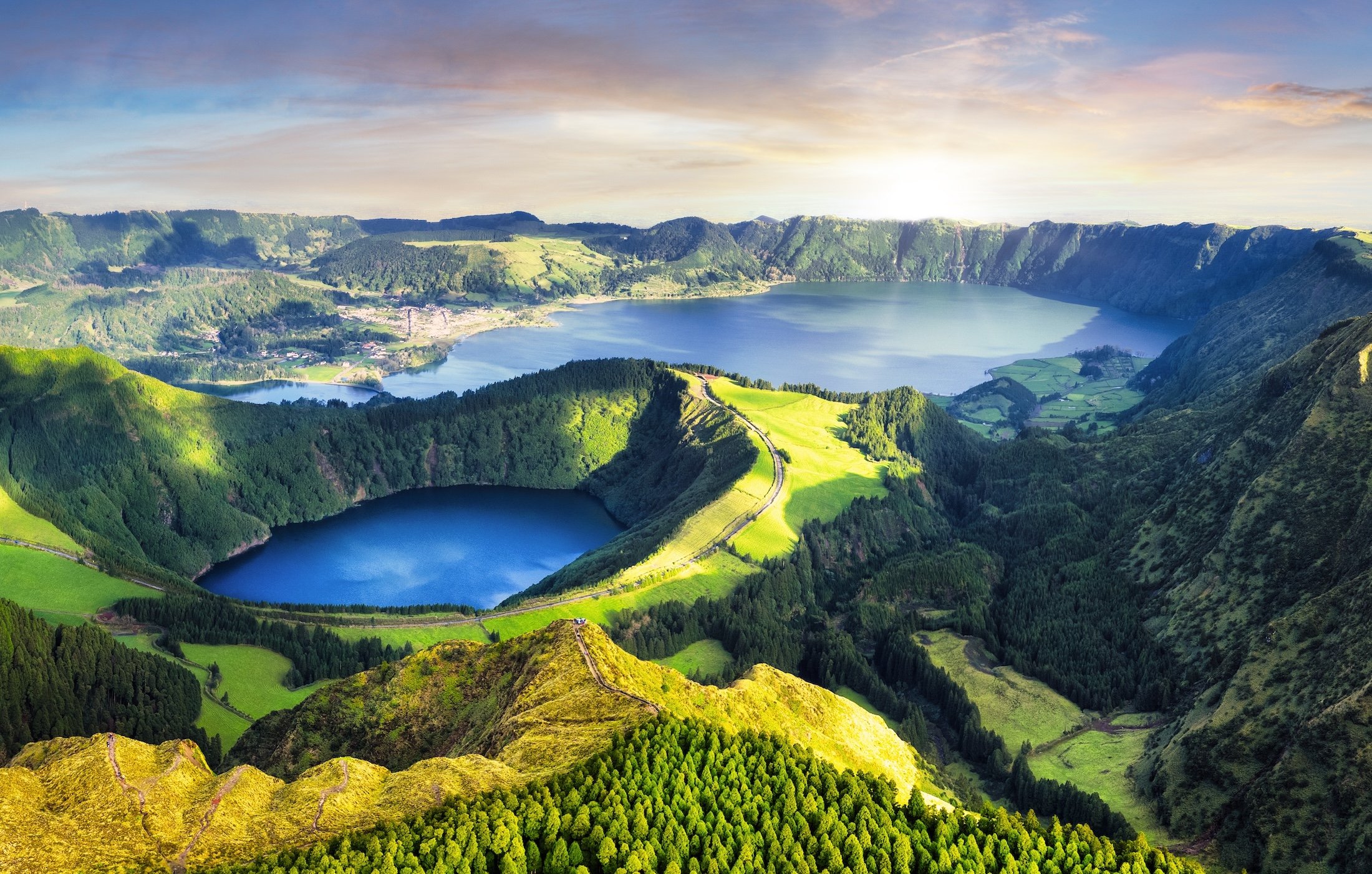
Rising dramatically from the heart of the Atlantic Ocean, the Azores are one of Europe’s most breathtaking and least-explored destinations. This autonomous region of Portugal consists of nine volcanic islands, each offering a unique blend of dramatic landscapes, rich marine life, and deep-rooted cultural traditions. Often described as Europe’s hidden gem, the Azores captivate travelers with emerald-green pastures, crater lakes, steaming fumaroles, black-sand beaches, and endless ocean horizons.

Unlike crowded European hotspots, the Azores remain refreshingly unspoiled. Life here moves at a slower pace, shaped by nature, weather, and centuries-old traditions. For travelers seeking adventure, sustainability, and authentic experiences, the Azores represent a perfect balance between raw nature and refined culture.


Geographical and Environmental Significance

The Azores archipelago lies about 1,500 kilometers (930 miles) west of mainland Portugal, at the meeting point of three tectonic plates: the North American, Eurasian, and African plates. This unique geological position has shaped the islands into a landscape dominated by volcanoes, lava fields, calderas, and geothermal activity.

Each island has its own personality. São Miguel, the largest island, is known for its crater lakes and thermal springs. Pico Island is home to Portugal’s highest mountain, Mount Pico, a stratovolcano rising 2,351 meters (7,713 feet). Flores dazzles with waterfalls and lush vegetation, while Terceira boasts historical towns and underground lava caves.

The Azores enjoy a mild maritime climate year-round, with frequent rain contributing to the islands’ vivid greenery. This constant interaction between land, sea, and sky has created one of the most ecologically rich environments in Europe.


Volcanic Landscapes and Natural Wonders

Volcanism defines the Azores. Ancient and dormant volcanoes form crater lakes, fertile soils, and dramatic coastlines. One of the most iconic sights is Lagoa das Sete Cidades on São Miguel, a twin lake—one blue, one green—nestled inside a massive volcanic caldera.

Another remarkable site is Furnas Valley, where geothermal heat rises from the earth in the form of hot springs, fumaroles, and boiling mud pools. Here, locals cook a traditional dish called cozido das Furnas underground using natural volcanic heat.

Lava tubes, such as Algar do Carvão on Terceira Island, allow visitors to descend into the heart of extinct volcanoes, revealing a hidden underground world shaped by fire and time.


Marine Life and Whale Watching

The Azores are considered one of the best whale-watching destinations in the world. Located along major migratory routes, the surrounding waters are home to over 25 species of whales and dolphins, including sperm whales, blue whales, fin whales, and bottlenose dolphins.

Historically, whaling played a significant role in the Azorean economy. Today, the islands have transformed this legacy into conservation-focused tourism. Whale watching is strictly regulated, ensuring ethical practices that protect marine life while offering unforgettable encounters.

The archipelago’s clear waters also make it a prime destination for diving, snorkeling, and sailing, with underwater volcanic formations and rich biodiversity attracting marine enthusiasts from across the globe.


Flora, Fauna, and Biodiversity

Thanks to its isolation and climate, the Azores host a unique mix of European, African, and American species. Native laurel forests (Laurisilva), once widespread across southern Europe, still thrive here and are protected as UNESCO World Heritage sites.

The islands are also a haven for birdwatchers, with endemic species such as the Azores bullfinch. On land, rolling pastures dotted with grazing cows give the islands their iconic patchwork appearance, contributing to the Azores’ reputation for high-quality dairy products and cheese.


Cultural Heritage and Local Traditions

Azorean culture reflects centuries of resilience in the face of isolation, volcanic eruptions, and harsh ocean conditions. The islands were first settled by the Portuguese in the 15th century, and their heritage is deeply tied to the sea, religion, and agriculture.

Whitewashed churches, colorful festivals, and cobblestone streets define Azorean towns and villages. Religious celebrations, such as the Festivals of the Holy Spirit, are among the most important cultural events, bringing communities together through food, music, and generosity.

Local cuisine is simple yet flavorful, emphasizing fresh seafood, grass-fed beef, volcanic wines, and traditional stews. Each island adds its own culinary identity, shaped by local resources and history.


Sustainable Tourism and Eco-Friendly Travel

The Azores are internationally recognized as a sustainable tourism destination. Strict environmental policies aim to preserve landscapes, limit overdevelopment, and promote eco-friendly activities. Many accommodations are locally owned, and eco-lodges blend seamlessly into the natural environment.

Hiking trails, geothermal spas, canyoning routes, and cycling paths are carefully maintained to minimize environmental impact. Visitors are encouraged to respect nature, support local businesses, and explore responsibly.


Best Time to Visit the Azores

The best time to visit the Azores is from May to October, when weather conditions are most favorable for outdoor activities and whale watching. Summer months bring warmer temperatures and calmer seas, while spring offers lush landscapes and blooming hydrangeas.

Because weather can change quickly, visitors often experience all four seasons in a single day—adding to the islands’ charm and unpredictability.


Why the Azores Should Be on Your Travel Bucket List

The Azores offer something increasingly rare in today’s world: authentic, untouched beauty. From volcanic craters and geothermal springs to whale-filled oceans and peaceful villages, the islands provide endless opportunities for exploration and reflection.

Whether you are an adventure seeker, nature lover, photographer, or traveler looking to disconnect from modern stress, the Azores deliver a deeply rewarding experience that feels both wild and welcoming.


Conclusion

The Azores stand as one of Europe’s most remarkable destinations—a place where nature dominates, traditions endure, and sustainability guides the future. Shaped by fire and water, these islands invite travelers to slow down, reconnect with nature, and discover a side of Portugal that feels worlds away from the mainland. Visiting the Azores is not just a journey across the Atlantic—it is a journey into one of Earth’s most beautiful and balanced ecosystems.
00 Comments

No comments yet.

Leave a Comment

We are offering for you

Featured Articles

Niagara Falls

Niagara Falls is one of the most popular tourist destinations in North America. Every year, millions of people visit Niagara Falls to see the amazing sights and experience the natural wonders of this world-famous destination.

The History of Niagara Falls

Niagara Falls has been a tourist destination for centuries. The first person to visit Niagara Falls was Father Louis Hennepin, a French missionary, in 1678. He wrote about the beauty of the falls, which attracted other European explorers and settlers to the area.

In the early 19th century, Niagara Falls became a popular honeymoon destination for American couples. The popularity of the falls as a tourist destination grew throughout the 19th and 20th centuries. Today Niagara Falls is one of the most popular tourist destinations, attracting millions of visitors each year.

The Different Views of Niagara Falls

There are three different ways to view Niagara Falls: from the Canadian side, from the American side, and from above.

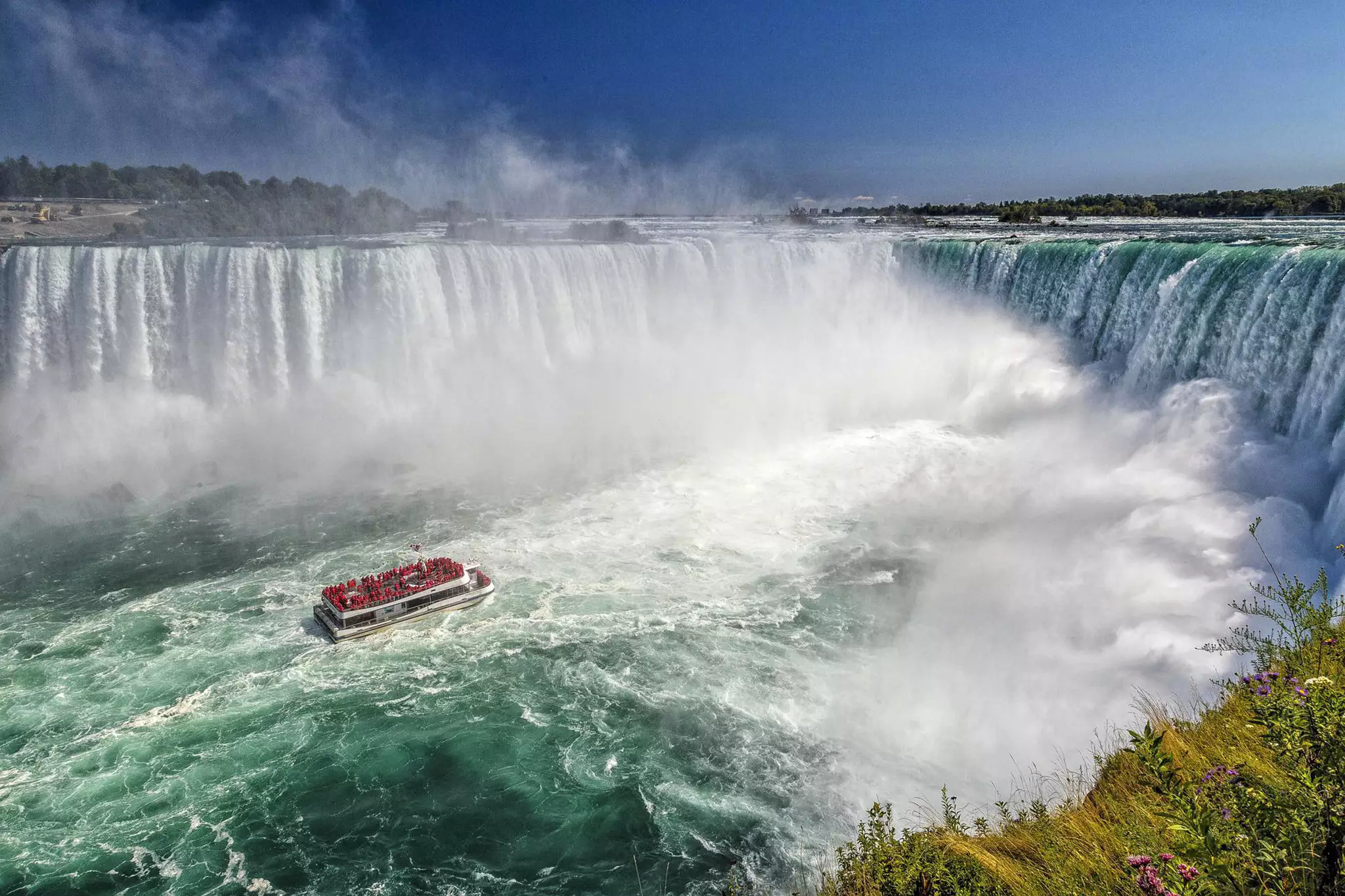
·        The Canadian side offers the best views of Niagara Falls. There are several observation decks, viewing areas, and a boardwalk that takes you right to the edge of the falls. You can also take a ride on the Maid of the Mist boat tour, which gets you up close and personal with the falls.

·        The American side offers different views of Niagara Falls than what you will see from the Canadian side. The most popular spot to view Niagara Falls on the American side is Goat Island, where you can walk out to the edge of Horseshoe Falls. Another great spot for views is Prospect Point Park, where you can get a bird’s eye view of all three waterfalls.

·        For something truly unique, take a trip aboard the Niagara Gorge Railway and enjoy panoramic views of Niagara Falls from above. It is a great way to see all three waterfalls at once and get an idea of how massive they are.

The Edge of the Niagara Falls

The edge of the falls is the best place to see the power of the water as it tumbles over the precipice. Several observation decks along the Niagara Gorge offer breathtaking views of the falls. The Rainbow Bridge, which spans the gorge just upstream from the falls, is a popular spot for picture-taking and boasts an up-close view of both the American and Horseshoe Falls.

Daredevils of Niagara Falls

Since the early days of Niagara Falls, people have been drawn to its raw power and beauty. Over the years, many have attempted to conquer the falls, often with tragic results. Here are some of the most famous (or infamous) daredevils who have taken on Niagara Falls:

·        Annie Edson Taylor was the first person to go over Niagara Falls in a barrel. She did it on her 63rd birthday in 1901 to achieve fame and fortune. Thankfully, she survived the stunt and lived to tell the tale.

·        Bobby Leach was the second person to went over Niagara Falls in a barrel. He did it in 1911 and also survived. Later he performed other stunts, including walking across a tightrope stretched over the falls.

·        Charles Stephens attempted to go over Niagara Falls in a barrel in 1920 but died during the attempt. His body is still missing.

·        Red Hill Sr., along with his son Red Hill Jr., became the first (and only) father and son duet, who went over Niagara Falls together in a barrel. They did it in 1951, and both survived.

·        Nik Wallenda became the first person to walk across Niagara Falls on a tightrope in 2012. He completed the stunt, which was televised live around the world.

How to get to Niagara Falls

Niagara Falls are located on the border between the United States and Canada, so there are a few different ways to reach them depending on your location.

If you are coming from the United States, the easiest way to get to Niagara Falls is by car. Several highways lead right to the falls, and once you cross the border into Canada, signs will point you in the right direction.

If you are coming from Toronto or another Canadian city, you can take a bus or train to Niagara Falls.

Once you arrive in Niagara Falls, there are plenty of ways to get up close and personal with the falls.

·        You can walk along the edges of the waterfall.

·        You can ride an elevator to the top of one of the falls for an incredible view.

·        You can also take a boat tour that takes you right into the spray of the falls.

Travel Guide for Niagara Falls

While planning a trip to Niagara Falls, there are a few things to know before visiting. Here is a travel guide for sightseers that will help you make the most of your trip:

When to Visit: The best time to visit Niagara Falls is during the summer season when the weather is warm and sunny. However, keep in mind that June through August are also the busiest months at Niagara Falls, so expect large crowds. If you want to avoid the crowds, plan your trip for September or October when the weather is still pleasant.

What to See: There is more to see at Niagara Falls than just the falls themselves. Be sure to take a ride on the Maid of the Mist boat tour for an up-close look at the powerful falls, and do not forget to visit Goat Island for some fantastic views. For something truly unique, check out 'Journey Behind the Falls', where you can stand inside a cave behind the raging waters of Horseshoe Falls.

What to Do: Other than sightseeing, there are plenty of other activities to enjoy at Niagara Falls. Take a walk along one of the many scenic trails, go whitewater rafting or tubing down the rapids, or take a helicopter.

Where to stay when visiting Niagara Falls

The first question you need to ask when trying to find accommodation in Niagara Falls is, how close to the Falls do you want to be?

If your priority is to walk out of your door and see the Falls, then you can stay in hotels like the Niagara Falls Marriott or the Sheraton on the Falls. Both of these come with a high price tag, so if you are looking for something more budget-friendly, there are plenty of other hotels located a little further away from the Falls. These hotels will still give you easy access to all the main attractions.

If you are hoping to do some wine touring, then it might be worth considering staying in Niagara-on-the-Lake. This quaint town, situated right in the middle of Ontario's wine country, offers visitors plenty of options for day trips and activities. There are also several good restaurants and cafes, as well as several bed and breakfasts if you are looking for a more intimate accommodation option.

No matter where you choose to stay, there is no doubt that Niagara Falls is an incredible destination that will leave you with memories to last a lifetime.

Conclusion

Niagara Falls is one of the world's most famous natural wonders and a must-see for any traveler. With its three massive waterfalls, Niagara Falls is one of the most famous waterfalls in the world to be visited once in a lifetime. This travel guide will help you make the most of your visit to Niagara Falls, from where to stay and what to do, to how to best experience this natural wonder. So start planning your trip to Niagara Falls today.