

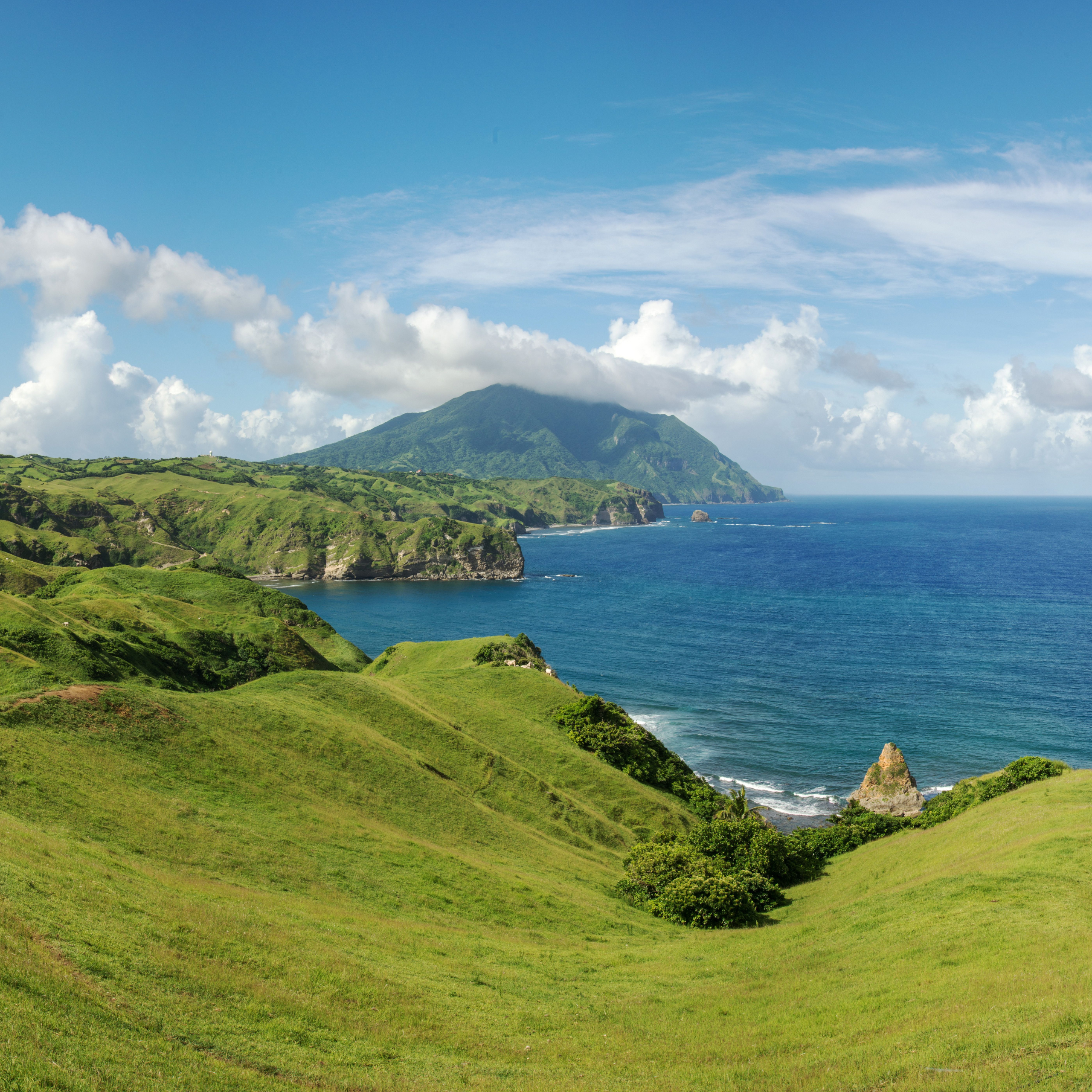
Batanes
Introduction
Located at the northernmost edge of the Philippines, where the Pacific Ocean meets the Bashi Channel, Batanes is one of Asia's most breathtaking and least-explored island destinations. Often called Asia's Wind-Swept Paradise, this remote archipelago is famous for its rolling green hills, dramatic sea cliffs, pristine beaches, stone villages, historic lighthouses, and the rich cultural heritage of the Ivatan people.
Unlike the bustling beaches of Boracay or Palawan, Batanes offers a peaceful escape into a world where nature and tradition exist in perfect harmony. The islands are known for their iconic stone houses with thick limestone walls and cogon grass roofs, built to withstand powerful typhoons that frequently pass through the region. Every corner of Batanes showcases dramatic coastal scenery, with endless grass-covered hills overlooking the deep blue ocean, creating landscapes often compared to those of Ireland and New Zealand.
Comprising ten islands, only three of which are inhabited, Batanes remains one of the Philippines' best-preserved natural treasures. Visitors can explore centuries-old churches, scenic coastal roads, hidden coves, traditional fishing villages, and panoramic viewpoints while experiencing the warm hospitality of the Indigenous Ivatan community.
Whether you're a landscape photographer, history enthusiast, adventure traveler, or someone searching for a peaceful island retreat, this Batanes travel guide will show you why Asia's wind-swept paradise deserves a place on every travel bucket list.
Where Is Batanes? Geography and Island Landscape
Batanes is the northernmost province of the Philippines, located between the Philippine mainland and Taiwan.
The province consists of 10 islands, with Batan, Sabtang, and Itbayat being the only permanently inhabited islands.
Surrounded by the Pacific Ocean and the South China Sea, Batanes features dramatic volcanic landscapes, rolling grasslands, towering cliffs, rocky coastlines, secluded beaches, and fertile valleys.
Strong seasonal winds, frequent ocean storms, and its isolated location have shaped both the islands' landscapes and the resilient lifestyle of their people.
The result is one of Asia's most picturesque and unspoiled island destinations.
Why Is Batanes Famous?
Batanes is internationally known for its spectacular coastal scenery and unique Indigenous culture.
The islands are famous for:
- Rolling green hills overlooking the ocean
- Traditional Ivatan stone houses
- Dramatic sea cliffs
- Historic lighthouses
- Unspoiled natural landscapes
- Rich Indigenous heritage
- Peaceful island lifestyle
- Scenic cycling routes
- Beautiful sunrise and sunset viewpoints
- Sustainable tourism
Its remarkable combination of breathtaking scenery and preserved traditions makes Batanes one of the Philippines' most unique destinations.
History of Batanes
Long before Spanish explorers arrived, Batanes was home to the Indigenous Ivatan people, whose culture continues to define the islands today.
Because of the region's remote location and challenging weather, the Ivatan developed a resilient way of life centered around fishing, farming, and community cooperation.
Their famous stone houses were specifically designed to survive powerful typhoons, becoming one of the defining symbols of Batanes.
Spanish missionaries later introduced Christianity, resulting in beautiful stone churches that remain important cultural landmarks.
Today, Batanes successfully preserves both its Indigenous traditions and colonial heritage while embracing sustainable tourism.
Top Attractions in Batanes
Marlboro Hills - The Most Famous Viewpoint
One of Batanes' most iconic attractions is Marlboro Hills.
This spectacular viewpoint features rolling green hills that stretch toward dramatic coastal cliffs overlooking the Pacific Ocean.
Often covered by drifting clouds and strong winds, the landscape resembles scenes from New Zealand or the Scottish Highlands.
Sunrise is considered the best time to visit, offering unforgettable panoramic views.
Basco Lighthouse - The Symbol of Batanes
Standing proudly above the coastline is Basco Lighthouse, one of the province's most recognizable landmarks.
The lighthouse offers sweeping views of Basco town, the surrounding mountains, and the endless blue ocean.
Its traditional architecture and scenic location make it one of the most photographed sites on the islands.
Sabtang Island - A Living Heritage Village
A short boat ride from Batan Island brings visitors to Sabtang Island, where traditional Ivatan culture remains remarkably well preserved.
The island is famous for its centuries-old stone houses, narrow village paths, untouched beaches, and peaceful atmosphere.
Walking through villages such as Savidug Village feels like stepping back in time.
Sabtang offers one of the most authentic cultural experiences in the Philippines.
Valugan Boulder Beach
One of Batanes' most unique natural attractions is Valugan Boulder Beach.
Instead of soft sand, the shoreline is covered with thousands of smooth volcanic boulders shaped by centuries of powerful ocean waves.
Combined with dramatic mountain backdrops and crashing surf, the beach creates an unforgettable coastal landscape.
It is especially beautiful during sunrise.
Chavayan Village
Located on Sabtang Island, Chavayan Village is home to some of the finest examples of traditional Ivatan stone houses.
Visitors can admire centuries-old architecture while learning about local customs, weaving, farming, and community life.
The village remains one of the best-preserved cultural sites in the Philippines.
Wildlife and Natural Beauty
Although Batanes is best known for its landscapes, it also supports diverse coastal ecosystems.
Visitors may encounter:
- Migratory seabirds
- Flying fish
- Colorful coral reef fish
- Sea turtles
- Native coastal plants
The surrounding waters also provide opportunities for seasonal dolphin and whale sightings.
The islands' dramatic cliffs and grasslands create excellent habitats for numerous bird species, making Batanes increasingly popular among birdwatchers and nature photographers.
Best Things to Do in Batanes
Batanes offers unforgettable outdoor and cultural experiences.
Popular activities include:
- Exploring scenic coastal roads
- Visiting traditional Ivatan villages
- Cycling across rolling hills
- Hiking coastal viewpoints
- Photographing dramatic landscapes
- Visiting historic churches
- Watching sunrise and sunset
- Island hopping
- Birdwatching
- Experiencing Ivatan culture
Its peaceful atmosphere encourages travelers to slow down and fully appreciate nature.
Local Food and Ivatan Culture
The cuisine of Batanes reflects the islands' simple yet sustainable way of life.
Fresh seafood, root crops, organic vegetables, coconut-based dishes, and locally grown garlic are staples of Ivatan cooking.
Traditional dishes include Uvud, Vunes, fresh flying fish, and seasonal seafood prepared using recipes passed down through generations.
Visitors can also experience traditional weaving, basket making, folk music, and local festivals that celebrate Ivatan identity.
The warmth and hospitality of the Ivatan people are among the most memorable parts of visiting Batanes.
Sustainable Tourism and Conservation
Batanes has become a model for responsible tourism in the Philippines.
Strict environmental regulations help protect the islands' fragile ecosystems, cultural heritage, and traditional architecture.
Visitors are encouraged to support local businesses, respect village customs, reduce plastic waste, and help preserve the islands' pristine landscapes.
These conservation efforts ensure that future generations can continue to enjoy one of Asia's most beautiful island destinations.
Best Time to Visit Batanes (Month-by-Month Guide)
The ideal time to visit Batanes is between November and May, when the weather is generally drier and skies are clearer.
Spring offers lush green landscapes and excellent sightseeing conditions.
Summer provides pleasant temperatures for cycling and island hopping.
The rainy season brings stronger winds and occasional typhoons, although it also creates dramatic scenery and fewer crowds.
Every season highlights a different aspect of Batanes' natural beauty.
How to Get to Batanes
The primary gateway to Batanes is Basco Airport, located on Batan Island.
Regular domestic flights connect Basco with Manila and selected Philippine cities.
From Basco, visitors can explore Batan Island by bicycle, motorcycle, van, or guided tour.
Traditional boats also connect Batan Island with Sabtang, allowing travelers to experience more of the archipelago's unique culture and landscapes.
Essential Travel Tips for Visiting Batanes
Planning ahead will help you make the most of your visit.
- Book flights early, as seats are limited.
- Check weather forecasts before traveling.
- Bring lightweight clothing along with a windproof jacket.
- Respect local customs and private property.
- Support locally owned accommodations and restaurants.
- Carry cash, as banking facilities are limited.
- Help preserve the islands by avoiding litter and minimizing plastic waste.
Responsible travel ensures that Batanes remains one of Asia's most pristine destinations.
Why Visit Batanes?
Batanes offers a travel experience unlike anywhere else in Asia. Its dramatic green hills, rugged coastlines, traditional stone villages, peaceful atmosphere, and rich Ivatan culture combine to create a destination that feels untouched by modern tourism.
Whether you're cycling through breathtaking landscapes, exploring centuries-old villages, photographing windswept cliffs, or enjoying the genuine hospitality of the Ivatan people, every moment in Batanes leaves a lasting impression.
For travelers seeking authentic culture, spectacular scenery, and one of Southeast Asia's best hidden gems, Batanes is an unforgettable destination.
Conclusion
Batanes is far more than a beautiful island province - it is a living showcase of nature, resilience, and cultural heritage. From its iconic rolling hills and dramatic sea cliffs to its traditional stone houses, historic villages, and welcoming Ivatan communities, every part of the archipelago tells a story shaped by wind, sea, and time.
Its combination of breathtaking landscapes, sustainable tourism, and timeless traditions makes it one of the Philippines' most extraordinary destinations.
For anyone looking to experience untouched island beauty and authentic local culture, Batanes truly lives up to its reputation as Asia's Wind-Swept Paradise.
00 Comments
No comments yet.
Leave a Comment