

Bay of Fires
Introduction
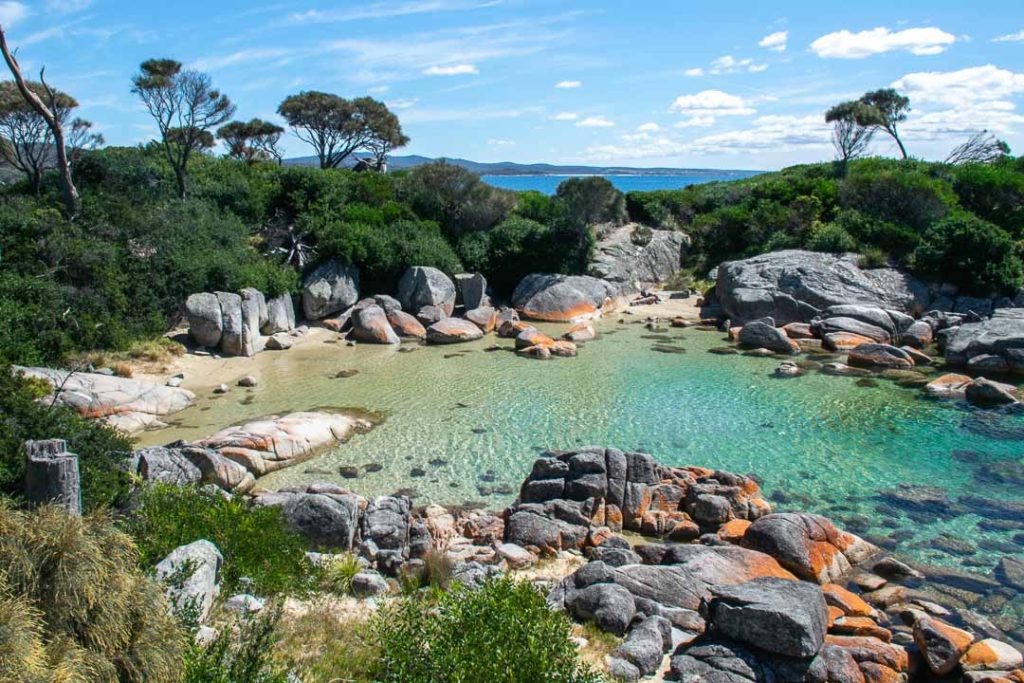
Stretching along the northeastern coast of Tasmania, the Bay of Fires is one of Australia's most visually striking coastal destinations. Famous for its brilliant orange-red granite boulders, turquoise waters, white-sand beaches, rugged headlands, and pristine wilderness, this extraordinary region has earned a reputation as Australia's Most Colorful Coastline.
The contrast is what makes the Bay of Fires so unforgettable. Giant granite rocks covered in vivid orange lichen sit beside clear blue-green water, while long beaches curve between forested hills and secluded coves. On sunny days, the colors can appear almost unreal, creating some of Tasmania's most spectacular coastal scenery.
Despite its dramatic beauty, the Bay of Fires is not simply a collection of scenic beaches. The region has deep Aboriginal cultural connections, diverse coastal ecosystems, abundant wildlife, and a long history shaped by European exploration and fishing communities.
Located along Tasmania's northeastern coast, the area stretches for roughly 50 kilometers from Binalong Bay north toward Eddystone Point. It offers opportunities for beach walks, swimming, kayaking, wildlife watching, photography, camping, and exploring one of Australia's most beautiful coastal wildernesses.
For travelers searching for an unforgettable Australian road trip destination, this Bay of Fires travel guide explores the landscape, beaches, wildlife, culture, best things to do, best time to visit, transportation, and conservation of one of Tasmania's greatest natural treasures.
Where Is the Bay of Fires? Geography and Coastal Landscape
The Bay of Fires is located on Tasmania's northeastern coast, approximately 240 kilometers northeast of Hobart and around 180 kilometers northeast of Launceston.
The region begins around Binalong Bay and extends northward along a spectacular coastline toward Eddystone Point.
Its landscape combines:
- White-sand beaches
- Orange-red granite boulders
- Turquoise bays
- Coastal forests
- Rocky headlands
- Hidden coves
- Tidal pools
- Offshore islands
- Coastal wetlands
The region's famous granite formations belong to the broader geological landscape of northeastern Tasmania.
The brilliant orange color of the rocks comes largely from lichen growing across their surfaces, creating the distinctive appearance that has become synonymous with the Bay of Fires.
The surrounding waters are remarkably clear, while the coastline remains relatively undeveloped compared with many famous Australian beach destinations.
Why Is the Bay of Fires Famous?
The Bay of Fires is internationally recognized for its spectacular combination of colorful granite, beaches, and pristine coastal scenery.
The region is famous for:
- Bright orange-red granite boulders
- Turquoise waters
- White-sand beaches
- Binalong Bay
- Aboriginal heritage
- Coastal hiking
- Wildlife watching
- Kayaking and surfing
- Scenic road trips
- Remote beaches
- Dramatic sunrises and sunsets
The unique contrast between red rocks, white sand, and blue water makes it one of Australia's most photogenic coastlines.
History and Natural Significance
The Bay of Fires has a long history extending far beyond European exploration.
The area is part of the traditional lands of the Palawa people, Tasmania's Aboriginal communities, whose connections with the northeastern coast extend back thousands of years.
The name "Bay of Fires" is generally associated with European explorer Captain Tobias Furneaux, who reportedly observed numerous Aboriginal fires along the coastline during his 1773 voyage.
The region later became associated with European settlement, fishing, agriculture, and forestry.
Today, conservation areas and protected coastal landscapes help preserve much of the region's natural character.
The combination of Aboriginal heritage, geological features, coastal ecosystems, and wilderness makes the Bay of Fires much more than a scenic beach destination.
Binalong Bay - The Gateway to the Bay of Fires
Binalong Bay is one of the most popular starting points for exploring the region.
The small coastal settlement is surrounded by beautiful beaches, granite headlands, and crystal-clear water.
Its main beach provides spectacular views of the surrounding coastline and is an excellent place to begin exploring the Bay of Fires.
Visitors can enjoy:
- Swimming
- Kayaking
- Beach walks
- Photography
- Fishing
- Paddleboarding
- Wildlife watching
The relaxed atmosphere of Binalong Bay makes it an ideal base for exploring northeastern Tasmania.
The Famous Orange Granite Coast
The most recognizable feature of the Bay of Fires is its vivid orange-red granite.
The rocks appear to glow in the sunlight, especially during early morning and late afternoon.
Their unusual color comes from orange lichen, which grows across the exposed granite surfaces.
When combined with bright turquoise water and brilliant white sand, the effect creates one of Australia's most distinctive natural color palettes.
Photographers often visit around sunrise or sunset when warm light intensifies the colors of the granite.
Eddystone Point - Wild Coastal Beauty
At the northern end of the Bay of Fires region lies Eddystone Point, a remote coastal landscape characterized by rocky headlands, forests, beaches, and open ocean.
The area provides a quieter experience compared with Binalong Bay.
The nearby coastline is part of a larger protected landscape and offers opportunities for hiking, wildlife observation, and photography.
The Eddystone Point Lighthouse is another interesting landmark in the area, reflecting Tasmania's maritime history.
The Beaches of the Bay of Fires
The coastline contains numerous beaches, ranging from popular swimming spots to secluded stretches of sand.
Some beaches feature dramatic granite boulders, while others are framed by coastal vegetation and dunes.
The clean sand and clear water make the region ideal for:
- Swimming
- Walking
- Surfing
- Photography
- Picnicking
- Kayaking
- Paddleboarding
The relatively low level of development helps preserve the feeling of wilderness that makes the coastline special.
Wildlife and Natural Environment
The Bay of Fires supports a diverse range of coastal and forest wildlife.
Visitors may encounter:
- Wallabies
- Wombats
- Tasmanian pademelons
- Echidnas
- Australian fur seals
- Dolphins
- Whales during migration seasons
- Sea eagles
- Black swans
- Shorebirds
- Numerous native seabirds
The surrounding forests also provide habitat for Tasmania's unique wildlife.
Early morning and late afternoon are generally the best times for wildlife observation because animals are more active and temperatures are cooler.
Best Things to Do in the Bay of Fires
The Bay of Fires offers activities for both adventure seekers and travelers looking for relaxation.
Popular experiences include:
- Exploring Binalong Bay
- Walking along white-sand beaches
- Photographing orange granite rocks
- Swimming in turquoise water
- Kayaking along the coastline
- Paddleboarding
- Surfing
- Fishing
- Wildlife watching
- Coastal hiking
- Camping
- Sunrise photography
- Sunset photography
The region is particularly rewarding for travelers who enjoy exploring at their own pace.
Hiking in the Bay of Fires
Walking is one of the best ways to experience the coastline.
Short walks around Binalong Bay provide easy access to beaches and rocky headlands, while longer trails venture deeper into the coastal wilderness.
For experienced hikers, the Bay of Fires Walk is one of Tasmania's premier multi-day walking experiences.
The journey passes through secluded beaches, coastal forests, rocky landscapes, and pristine wilderness.
A multi-day hike offers a completely different perspective from simply visiting the most accessible beaches.
Local Culture and Tasmanian Heritage
The Bay of Fires is connected to Tasmania's Aboriginal history and modern coastal communities.
Visitors can learn about Palawa culture and the long relationship between Aboriginal communities and Tasmania's landscapes, waterways, plants, and wildlife.
Local towns also reflect Tasmania's maritime traditions, with fishing and coastal lifestyles continuing to influence the region.
Exploring the area respectfully helps travelers understand that the landscape is not simply a tourist attraction but a place with deep cultural meaning.
Tasmanian Cuisine
A visit to the Bay of Fires can easily be combined with a taste of Tasmania's renowned local produce.
Nearby restaurants and regional producers offer ingredients such as:
- Fresh seafood
- Tasmanian oysters
- Abalone
- Salmon
- Local cheeses
- Seasonal berries
- Fresh vegetables
- Tasmanian honey
- Craft beverages
Tasmania's cool climate and clean waters contribute to its reputation for high-quality food.
Enjoying fresh local seafood after a day along the coast is one of the simplest ways to experience the region.
Sustainable Tourism and Conservation
The Bay of Fires remains relatively pristine because much of the coastline is protected and carefully managed.
Visitors can help preserve the landscape by:
- Staying on designated tracks
- Taking rubbish with them
- Avoiding damage to lichen-covered rocks
- Keeping dogs and pets under control where restrictions apply
- Respecting wildlife
- Following camping regulations
- Avoiding disturbing coastal vegetation
- Respecting Aboriginal cultural sites
The orange lichen covering the granite is particularly delicate, so visitors should avoid climbing or unnecessarily walking across sensitive rock surfaces.
Responsible tourism ensures the coastline remains beautiful for future generations.
Best Time to Visit the Bay of Fires
The Bay of Fires can be visited throughout the year, but December to March generally offers the warmest conditions for swimming, kayaking, and beach activities.
December to February
Summer provides longer daylight hours and warmer weather. It is an excellent period for beach activities and coastal exploration.
March to May
Autumn brings cooler temperatures and changing colors in the surrounding vegetation. Visitor numbers may also decrease.
June to August
Winter is colder and wetter, but the coastline can become beautifully dramatic, especially during storms and clear winter mornings.
September to November
Spring brings wildflowers and gradually improving weather, making it an appealing period for hiking and photography.
For swimming and classic beach experiences, summer is generally the best choice.
How to Get to the Bay of Fires
The Bay of Fires is easiest to explore by car.
From Launceston, the drive to Binalong Bay takes roughly three hours, depending on the route and stops.
From Hobart, the journey takes approximately four hours or more.
Most visitors travel through northeastern Tasmania before reaching Binalong Bay.
Having your own vehicle is particularly useful because many beaches, viewpoints, and scenic locations are spread across the coastline.
The Bay of Fires can also be included in a larger Tasmania road trip featuring destinations such as Freycinet National Park, Wineglass Bay, and Cradle Mountain.
Essential Travel Tips for Visiting the Bay of Fires
A little preparation will make your trip more enjoyable.
- Carry sunscreen and plenty of drinking water.
- Bring comfortable walking shoes.
- Pack a waterproof jacket because Tasmanian weather can change quickly.
- Check beach and ocean conditions before swimming.
- Bring a camera for sunrise and sunset photography.
- Follow local fire restrictions when camping.
- Respect wildlife and never feed animals.
- Avoid stepping on fragile lichen-covered rocks.
- Book accommodation ahead during peak summer periods.
For multi-day hikes, proper preparation and appropriate outdoor equipment are essential.
Why Visit the Bay of Fires?
The Bay of Fires offers one of Australia's most beautiful combinations of natural colors.
Few coastlines combine brilliant white sand, crystal-clear turquoise water, vivid orange granite, green forests, and deep blue skies quite so dramatically.
Beyond its beauty, the region offers something for every type of traveler. Adventurers can hike the coastal wilderness, photographers can capture spectacular sunrise and sunset scenes, families can enjoy quiet beaches, and wildlife lovers can explore one of Tasmania's richest coastal environments.
Its relatively low level of development also gives the Bay of Fires a sense of authenticity that is increasingly difficult to find at famous beach destinations.
Conclusion
The Bay of Fires is far more than a collection of beautiful beaches - it is one of Tasmania's most spectacular natural landscapes. Its vivid orange granite, turquoise waters, white-sand beaches, wildlife, Aboriginal heritage, and rugged coastal wilderness create an unforgettable Australian experience.
Whether you're walking along Binalong Bay, photographing the glowing granite at sunset, kayaking through crystal-clear water, hiking the remote coastline, or simply relaxing on a quiet beach, the region reveals a different side of Tasmania's extraordinary natural beauty.
For travelers seeking colorful landscapes, pristine beaches, outdoor adventure, and unforgettable scenery, the Bay of Fires truly lives up to its reputation as Australia's Most Colorful Coastline.
00 Comments
No comments yet.
Leave a Comment