

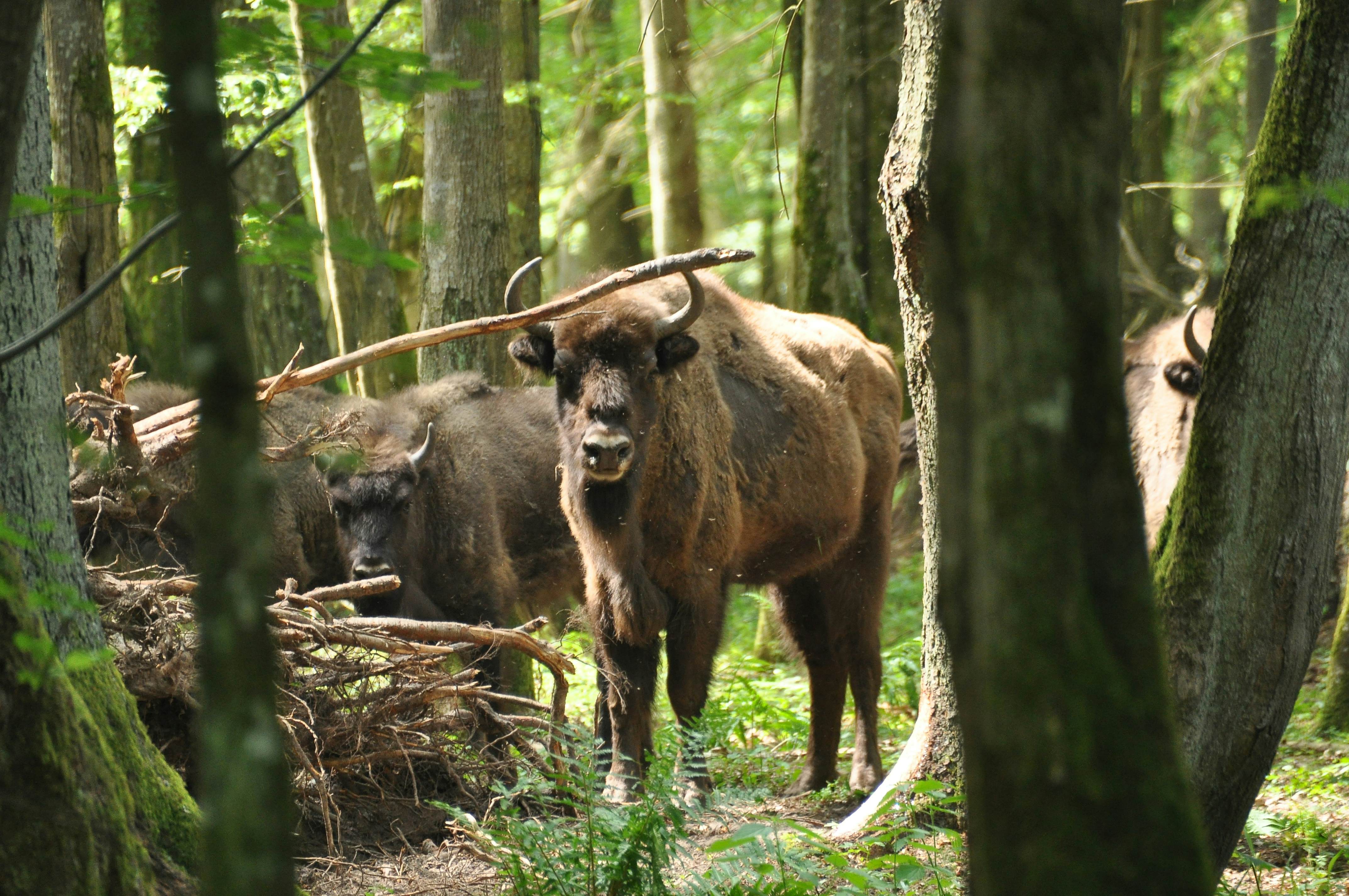
Białowieża Forest
Introduction
Hidden along the border of Poland and Belarus lies one of the oldest and most remarkable forests on Earth Białowieża Forest. Often referred to as Europe’s Last Primeval Forest, this ancient woodland is one of the few remaining places where nature has evolved with minimal human interference for thousands of years. Towering oak trees, dense woodlands, rare wildlife, and an untouched ecosystem combine to create a living museum of Europe's natural heritage.
Recognized as a UNESCO World Heritage Site, Białowieża Forest offers visitors a rare glimpse into what much of Europe looked like before cities, agriculture, and industrialization transformed the continent. Walking beneath its ancient canopy feels like stepping back into prehistoric times, where centuries-old trees, wild rivers, and abundant wildlife remain largely unchanged.
Most famously, the forest is home to the European Bison, Europe's largest land mammal and one of the continent's greatest conservation success stories. Today, Białowieża Forest attracts nature lovers, photographers, wildlife enthusiasts, and travelers searching for one of Europe's most extraordinary hidden gems.
For anyone seeking authentic wilderness, biodiversity, and timeless natural beauty, Białowieża Forest stands among the finest destinations in Europe.
Geography and Environment
Białowieża Forest stretches across eastern Poland and western Belarus, covering approximately 1,500 square kilometers.
The forest represents one of the largest remaining fragments of the immense primeval woodland that once covered much of the European continent after the last Ice Age.
Its landscape consists of ancient deciduous and mixed forests, wetlands, rivers, meadows, marshes, and natural clearings.
Unlike managed commercial forests, Białowieża has been allowed to evolve naturally for centuries. Dead trees remain where they fall, creating habitats for insects, fungi, birds, and countless other organisms that depend on decaying wood.
This natural ecological balance makes the forest one of the richest biodiversity hotspots in Europe.
Europe's Last Primeval Forest
What makes Białowieża Forest truly exceptional is its status as Europe's last extensive lowland primeval forest.
Many trees here are between 300 and 600 years old, while some mighty oaks have witnessed centuries of European history.
The forest has never been completely cleared or intensively logged, allowing natural ecological processes to continue uninterrupted.
Visitors can observe towering trees that have grown naturally for centuries alongside fallen giants slowly returning nutrients to the soil.
This continuous cycle of growth, decay, and regeneration supports an extraordinary range of life rarely seen elsewhere in Europe.
Walking through the forest offers a unique opportunity to experience one of the continent's last truly wild landscapes.
Home of the European Bison
Białowieża Forest is internationally famous for protecting the European Bison.
Also known as the wisent, the European Bison once roamed across much of Europe before hunting and habitat loss drove the species to near extinction during the early twentieth century.
Thanks to dedicated conservation efforts, Białowieża became the center of one of the world's greatest wildlife recovery programs.
Today, hundreds of European Bison roam freely throughout the forest.
These magnificent animals can weigh nearly one ton and represent Europe's largest surviving land mammal.
Wildlife safaris provide visitors with opportunities to observe these iconic creatures in their natural habitat, making the forest one of the best wildlife destinations in Europe.
Extraordinary Biodiversity
Białowieża Forest supports one of the richest ecosystems on the continent.
More than 12,000 documented species inhabit the forest, including mammals, birds, insects, fungi, mosses, and flowering plants.
Notable wildlife includes:
- Gray Wolf
- Eurasian Lynx
- Red Deer
- Wild Boar
- Eurasian Beaver
- White-tailed Eagle
Birdwatchers consider Białowieża one of Europe's finest birding destinations, with more than 250 recorded bird species.
The abundance of wildlife makes every walk through the forest an opportunity for discovery.
Ancient Trees and Living Giants
One of the forest's most captivating features is its collection of ancient trees.
Massive oak, ash, spruce, pine, hornbeam, and lime trees dominate the landscape.
Some oak trees are estimated to be over 500 years old, with enormous trunks measuring several meters in circumference.
Unlike managed forests where aging trees are removed, these ancient giants remain standing until they naturally collapse.
Even fallen trees continue to play essential ecological roles by providing habitat for insects, fungi, birds, and mammals.
The diversity of tree ages contributes significantly to the forest's ecological richness.
Rivers, Wetlands, and Natural Habitats
Numerous rivers and streams flow through Białowieża Forest, creating wetlands and floodplain habitats that support countless species.
The Narewka River and its tributaries nourish the forest while providing breeding grounds for amphibians, fish, and aquatic birds.
Wet meadows burst into colorful wildflowers during spring and summer, attracting butterflies and pollinating insects.
These diverse habitats contribute to the remarkable ecological complexity of the forest.
Each ecosystem supports different wildlife communities, creating an intricate web of life rarely found in modern Europe.
A Paradise for Birdwatchers
Bird enthusiasts from around the world visit Białowieża Forest to observe its exceptional avian diversity.
The forest hosts rare woodpeckers, owls, eagles, flycatchers, and numerous woodland songbirds.
Species such as the Black Woodpecker, Three-toed Woodpecker, and Pygmy Owl find ideal nesting conditions within the old-growth forest.
Because large areas remain undisturbed, breeding success is considerably higher than in heavily managed forests elsewhere in Europe.
Every season offers unique birdwatching opportunities, making the forest a year-round destination for ornithologists and photographers.
Outdoor Adventures and Nature Experiences
Białowieża Forest offers visitors numerous opportunities to experience nature responsibly.
Well-maintained hiking and cycling trails pass through forests, meadows, and wetlands.
Guided wildlife safaris increase the chances of spotting European Bison and other elusive animals.
Horse-drawn carriage rides provide a traditional way to explore the forest's tranquil landscapes.
Photography workshops, nature walks, and educational programs introduce visitors to the forest's unique ecology and conservation efforts.
Winter transforms the woodland into a magical snowy landscape ideal for wildlife tracking and peaceful exploration.
Cultural Heritage and Local Traditions
The villages surrounding Białowieża Forest preserve centuries-old traditions and rural lifestyles.
Wooden churches, historic cottages, and local museums reflect the multicultural heritage of the region.
Traditional Polish and Belarusian influences remain visible in architecture, folklore, music, and cuisine.
Visitors can enjoy regional specialties such as wild mushroom dishes, honey products, smoked meats, and handcrafted cheeses.
Learning about local communities adds cultural depth to the natural experience.
The harmonious relationship between people and the forest has shaped the region for generations.
Sustainability and Conservation
Conservation remains the highest priority in Białowieża Forest.
Protected as both a UNESCO World Heritage Site and a national park, large sections of the forest are strictly preserved to maintain natural ecological processes.
Scientists from around the world conduct research on forest ecology, biodiversity, climate change, and wildlife conservation within the park.
Visitors are encouraged to stay on designated trails, avoid disturbing wildlife, and support sustainable tourism initiatives.
Ongoing conservation efforts ensure that Europe's last primeval forest remains protected for future generations.
Best Time to Visit Białowieża Forest
Białowieża Forest offers spectacular experiences throughout the year.
Spring brings blooming wildflowers, migratory birds, and active wildlife.
Summer offers lush green forests ideal for hiking, cycling, and photography.
Autumn transforms the woodland into vibrant shades of gold, orange, and crimson, making it one of Europe's finest destinations for fall foliage.
Winter blankets the forest in snow, creating magical scenery and excellent opportunities for tracking European Bison and wolves.
Each season reveals a different aspect of the forest's timeless beauty.
How to Reach Białowieża Forest
The Polish gateway to the forest is the village of Białowieża, located approximately 230 kilometers from **Warsaw>.
Visitors can reach the area by car, bus, or organized tours.
The village offers accommodations, visitor centers, museums, and guided excursions into protected areas of the forest.
Many travelers combine Białowieża Forest with visits to eastern Poland's historic towns and natural landscapes.
Planning several days allows ample time to experience the forest's incredible biodiversity.
Why Visit Białowieża Forest?
Białowieża Forest offers one of the most authentic wilderness experiences in Europe. Its ancient trees, free-roaming European Bison, exceptional biodiversity, and untouched ecosystems provide a rare glimpse into the continent's prehistoric past.
Visitors can walk beneath centuries-old forests, observe rare wildlife, explore one of Earth's richest temperate ecosystems, and experience nature largely unchanged for thousands of years.
Whether you are a wildlife enthusiast, photographer, hiker, scientist, or simply someone who appreciates untouched landscapes, Białowieża Forest delivers an unforgettable journey into Europe's natural heritage.
Conclusion
Białowieża Forest stands as one of the world's greatest conservation treasures and the last surviving example of Europe's primeval lowland forests. From majestic European Bison and ancient oak trees to diverse wildlife and pristine ecosystems, every corner of the forest tells a story that stretches back thousands of years.
Its remarkable biodiversity, scientific importance, and timeless beauty make it one of the most extraordinary natural destinations on the planet.
For travelers seeking authentic wilderness, rich wildlife, and one of Europe's most unique hidden gems, Białowieża Forest truly deserves its reputation as Europe's Last Primeval Forest.

00 Comments
No comments yet.
Leave a Comment