

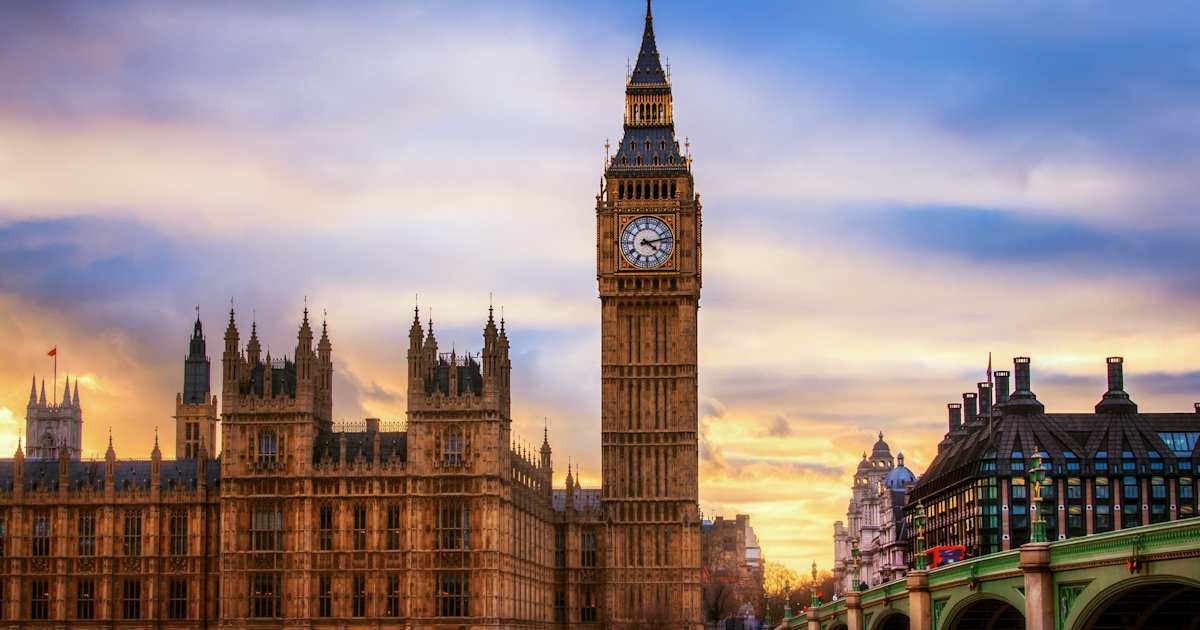
Big Ben
Introduction
Europe is home to many historic landmarks, but few are as famous and instantly recognizable as Big Ben in London, United Kingdom. Big Ben is one of the most important symbols of British history, culture, and democracy. For many people around the world, the image of Big Ben represents not only London but the entire United Kingdom.
Big Ben is admired for its beautiful design, accurate timekeeping, and long history. It has appeared in books, movies, television programs, and news broadcasts, making it one of the most well-known landmarks in the world. This article explains the basic details, history, architecture, why Big Ben is famous, its cultural importance, why people should visit, timing and visiting information, and ends with a clear conclusion.
Basic Details of Big Ben
Big Ben is located in Westminster, London, next to the River Thames. It stands beside the Palace of Westminster, which is the meeting place of the British Parliament. Many people think Big Ben refers to the tower itself, but in reality, Big Ben is the name of the large bell inside the tower.
The tower was officially renamed the Elizabeth Tower in 2012 to honor Queen Elizabeth II on her Diamond Jubilee. The tower is about 96 meters (316 feet) tall, and the clock faces are among the largest in the world. The sound of Big Ben’s bell is famous for marking the time, especially on important national occasions.
History of Big Ben
The history of Big Ben dates back to the 19th century. In 1834, a major fire destroyed much of the old Palace of Westminster. After the fire, a new parliament building was planned, and it was decided that the new design should include a large clock tower.
Construction of the tower began in 1843, and the clock started working in 1859. The great bell, which became known as Big Ben, was installed the same year. There are different stories about how Big Ben got its name. Some believe it was named after Sir Benjamin Hall, a large man who supervised the project, while others think it was named after a famous boxer of the time.
Over the years, Big Ben has witnessed many important historical events, including World Wars, royal celebrations, and national ceremonies. Despite damage during World War II, the tower remained standing and became a symbol of strength and hope for the British people.
Architecture and Design
Big Ben is an excellent example of Gothic Revival architecture, a style that was popular in the 19th century. The tower was designed by Augustus Pugin, who worked with architect Charles Barry.
The tower is made mainly of brick and stone, with beautiful decorative details. Each of the four clock faces is about 7 meters in diameter, and the minute hands are over 4 meters long. The clock is known for its accuracy and reliability, which is why it has been trusted for over 150 years.
The bell itself weighs more than 13 tons. Even though it developed a crack soon after being installed, it has continued to ring and produce its famous sound. The sound of Big Ben is broadcast on radio and television, especially during New Year celebrations.
Why Big Ben Is Famous
Big Ben is famous for several reasons. First, it is one of the most recognizable landmarks in the world. Its tall structure and clock faces make it easy to identify in photographs and videos of London.
Second, Big Ben is closely connected to British democracy. Since it stands next to the Houses of Parliament, it represents the government and political system of the United Kingdom. Important laws and decisions affecting the country are made in the building beside it.
Third, Big Ben is famous for its sound. The deep ringing of the bell has become a symbol of time, tradition, and reliability. People across the UK and beyond recognize its chimes instantly.
Cultural and National Importance
Big Ben holds great cultural and emotional value for the British people. It has been present during joyful moments, such as royal weddings and national celebrations, as well as difficult times, including wars and crises.
During World War II, when London was heavily bombed, Big Ben continued to ring, giving people hope and courage. Because of this, it became a symbol of resilience and unity.
Big Ben is also widely used in media. It appears in films, TV shows, documentaries, and even cartoons. For many international viewers, Big Ben is their first image of London.
Big Ben and British Traditions
Big Ben plays an important role in British traditions. One of the most famous moments is its ringing on New Year’s Eve, when people across the country listen to the chimes to welcome the new year.
It is also associated with official ceremonies, remembrance events, and national broadcasts. The accuracy of the clock has made it a trusted timekeeper for generations.
Why People Need to Visit Big Ben
Visiting Big Ben allows people to experience British history and culture firsthand. Even though the inside of the tower is not always open to the public, seeing it from outside is still a memorable experience.
The area around Big Ben includes other famous attractions such as:
- Houses of Parliament
- Westminster Abbey
- London Eye
- River Thames
This makes the visit educational and enjoyable. For students, Big Ben is an excellent place to learn about history, architecture, government, and national identity.
Timing and Visiting Information
Big Ben is located in a public area and can be viewed at any time of day.
- Best time to visit: Daytime for clear views, evening for lights
- Best season: Spring and summer for pleasant weather
- Entry fee: Free to see from outside
Guided tours inside the tower are limited and usually available only to UK residents, but tourists can still enjoy the landmark from nearby viewpoints.
Preservation and Restoration
Over time, Big Ben has required repairs and maintenance to keep it safe and accurate. Restoration work has been carried out carefully to protect its historical value. These efforts ensure that future generations can continue to enjoy this iconic landmark.
Conclusion
Big Ben is much more than a clock or a tower. It is a powerful symbol of British history, democracy, and tradition. Standing proudly in the heart of London, it has watched over the city for more than 150 years.
From its impressive architecture and accurate timekeeping to its deep cultural and emotional significance, Big Ben continues to inspire people around the world. Visiting Big Ben allows individuals to connect with the past while appreciating the values of unity, resilience, and national pride.
As one of Europe’s most famous landmarks, Big Ben remains a timeless icon and an essential part of London’s identity.

00 Comments
No comments yet.
Leave a Comment