

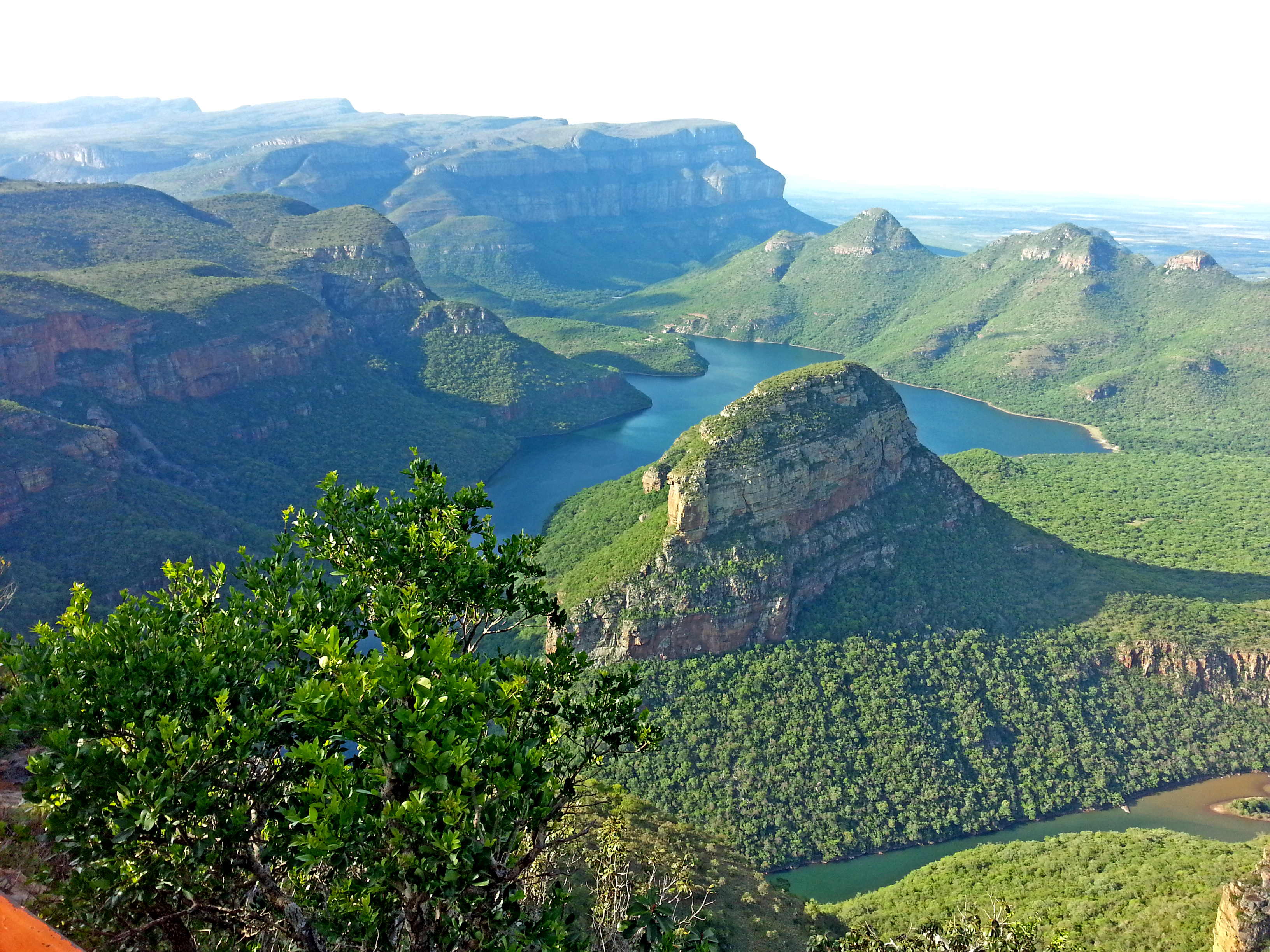
Blyde River Canyon
Introduction
Hidden within the spectacular landscapes of northeastern South Africa lies one of the most breathtaking natural wonders on the African continent—Blyde River Canyon. Often overshadowed by more famous destinations such as Victoria Falls or Table Mountain, this extraordinary canyon is a masterpiece of nature that combines towering cliffs, lush vegetation, dramatic viewpoints, waterfalls, and abundant wildlife.
Known as Africa’s Green Grand Canyon, Blyde River Canyon is one of the largest canyons in the world and is widely regarded as the largest green canyon on Earth. Unlike many desert canyons characterized by barren rock formations, Blyde River Canyon is covered with dense subtropical vegetation, creating a striking contrast between rugged cliffs and vibrant greenery.
Located within the scenic Mpumalanga Province, the canyon forms part of the famous Panorama Route, one of South Africa’s most rewarding road trips. For travelers seeking dramatic landscapes, outdoor adventures, wildlife encounters, and unforgettable photography opportunities, Blyde River Canyon offers an experience unlike anywhere else in Africa.
Geography and Environment
The Blyde River Canyon is situated along the northern escarpment of South Africa’s Drakensberg mountain system in Mpumalanga.
Stretching approximately 26 kilometers in length and reaching depths of more than 800 meters in some areas, the canyon ranks among the largest canyons on the planet.
The canyon was carved over millions of years by the Blyde River, which continues to flow through the valley below.
Unlike many famous canyons found in arid regions, Blyde River Canyon benefits from abundant rainfall and a favorable climate. This supports lush forests, grasslands, river systems, and a remarkable diversity of plant and animal life.
The result is a landscape where steep cliffs, green valleys, waterfalls, and mountain views combine to create one of Africa’s most visually stunning natural environments.
The World’s Largest Green Canyon
Blyde River Canyon is often called the world’s largest green canyon due to its extraordinary vegetation cover.
The canyon's slopes are blanketed with indigenous forests, shrubs, ferns, and subtropical plant species that thrive in the region’s favorable climate.
From elevated viewpoints, visitors can admire endless layers of green valleys stretching toward distant mountain ranges.
This lush environment distinguishes Blyde River Canyon from other famous canyons such as the Grand Canyon in the United States or Fish River Canyon in Namibia.
The combination of dramatic geological formations and rich vegetation creates a landscape that feels both wild and vibrant.
The Three Rondavels – The Canyon’s Most Famous Landmark
Among the canyon’s most iconic attractions are the Three Rondavels.
These massive rock formations resemble traditional African rondavel huts, which are circular homes commonly found throughout southern Africa.
Rising prominently above the canyon, the Three Rondavels offer one of the most spectacular viewpoints in South Africa.
Visitors standing at the overlook are rewarded with panoramic views of towering cliffs, deep valleys, and the winding river below.
At sunrise and sunset, changing light conditions transform the landscape into a photographer’s paradise.
The Three Rondavels have become one of the most photographed natural landmarks in South Africa and remain a highlight of any visit to the canyon.
Bourke’s Luck Potholes – Nature’s Sculpted Masterpiece
Another geological wonder within the canyon region is Bourke's Luck Potholes.
These remarkable rock formations were created over thousands of years as swirling river currents gradually carved cylindrical holes into the sandstone.
The resulting landscape resembles a giant natural sculpture, with smooth rock formations, pools of water, and intricate geological patterns.
Boardwalks and viewing platforms allow visitors to safely explore the area while appreciating the immense power of natural erosion.
Bourke’s Luck Potholes represent one of the most fascinating examples of geological artistry in South Africa.
Waterfalls and Scenic Beauty
The Blyde River Canyon region is home to several spectacular waterfalls that enhance its natural beauty.
Among the most famous is Lisbon Falls, one of the tallest waterfalls in South Africa.
Nearby, Berlin Falls plunges dramatically into a deep pool surrounded by lush vegetation.
These waterfalls are particularly impressive during the rainy season when water volumes increase significantly.
Combined with mist-covered cliffs and green forests, they contribute to the canyon’s reputation as one of Africa’s most scenic destinations.
Wildlife and Biodiversity
The canyon supports a rich variety of wildlife due to its diverse habitats and favorable climate.
Birdwatchers may encounter species such as African fish eagles, kingfishers, hornbills, and endangered Cape vultures soaring above the cliffs.
Mammals found in the region include baboons, antelope, monkeys, and various smaller wildlife species.
The surrounding forests and grasslands support numerous reptiles, insects, and endemic plant species.
This biodiversity makes the canyon an important conservation area within South Africa’s protected natural heritage network.
Nature lovers will find endless opportunities for wildlife observation and ecological exploration.
Adventure and Outdoor Activities
Blyde River Canyon is a paradise for outdoor enthusiasts.
Hiking trails wind through forests, along cliff edges, and toward spectacular viewpoints that reveal the canyon’s immense scale.
Boat cruises on the Blyde Dam provide a unique perspective of the towering cliffs and wildlife habitats.
Adventure travelers can also enjoy mountain biking, scenic drives, birdwatching, and photography excursions.
The Panorama Route itself is considered one of South Africa’s greatest road trips, offering access to multiple natural attractions within a relatively compact area.
Whether seeking adventure or relaxation, visitors will find countless ways to experience the region’s beauty.
Cultural and Historical Significance
The canyon region has long been inhabited by indigenous communities whose histories are deeply connected to the landscape.
Traditional knowledge, folklore, and cultural heritage continue to play an important role in local identity.
The name “Blyde” means “happy” in Dutch, reflecting the joy experienced by early European explorers who successfully reunited in the region during the 19th century.
Today, local communities contribute to tourism while preserving cultural traditions and supporting conservation efforts.
The combination of natural beauty and cultural history enriches the visitor experience.
Sustainability and Conservation
Protecting Blyde River Canyon’s ecosystems is essential for preserving one of Africa’s most important natural landmarks.
Conservation programs focus on habitat protection, wildlife preservation, sustainable tourism, and environmental education.
Visitors are encouraged to follow designated trails, avoid littering, and support eco-friendly tourism initiatives.
Responsible tourism helps maintain the canyon’s ecological health while benefiting local communities.
These efforts ensure that future generations can continue to enjoy this extraordinary landscape.
Best Time to Visit Blyde River Canyon
The canyon can be visited throughout the year, though the dry season from May to September is often considered the best time.
During these months, clear skies provide excellent visibility for photography and sightseeing.
The rainy season from October to April brings greener vegetation and more dramatic waterfalls, although occasional storms may affect travel plans.
Each season offers unique perspectives on the canyon’s beauty.
Transport and Accessibility
The nearest major city is Mbombela (formerly Nelspruit), which serves as a gateway to the Panorama Route.
The canyon is easily accessible by car and is often included in itineraries alongside Kruger National Park, one of Africa’s most famous safari destinations.
Most visitors explore the region through self-drive journeys or guided tours.
Well-maintained roads and viewing points make the area accessible while preserving its natural character.
Why Visit Blyde River Canyon?
Blyde River Canyon offers one of the most spectacular natural experiences in Africa. Its dramatic cliffs, lush vegetation, waterfalls, wildlife, and panoramic viewpoints create a destination that combines adventure, relaxation, and discovery.
Unlike many famous canyons around the world, its green landscapes provide a unique visual experience that feels both vibrant and untamed.
For photographers, hikers, nature lovers, and travelers seeking hidden gems, Blyde River Canyon is a destination that deserves a place on every African travel itinerary.
Conclusion
Blyde River Canyon stands as one of Africa’s greatest natural treasures. Carved by rivers, covered in lush vegetation, and framed by towering cliffs, it showcases the extraordinary beauty and diversity of South Africa’s landscapes.
From the iconic Three Rondavels and Bourke’s Luck Potholes to breathtaking waterfalls and abundant wildlife, every corner of the canyon offers something remarkable.
For those seeking a destination that combines geological wonder, ecological richness, and unforgettable scenery, Blyde River Canyon truly earns its title as Africa’s Green Grand Canyon.
00 Comments
No comments yet.
Leave a Comment