

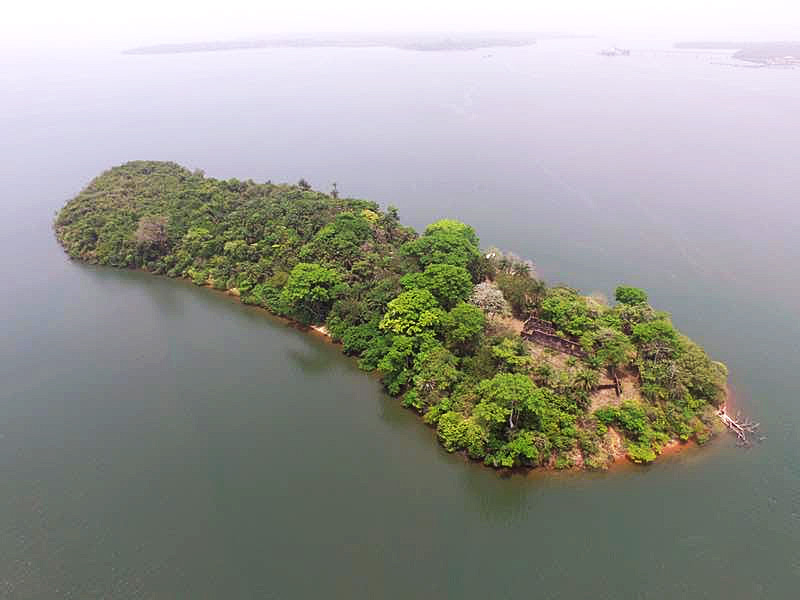
Bunce Island
Welcome to Bunce Island, a historic site located off the coast of Sierra Leone. This island has a deep, dark past—it was once the epicenter of the African slave trade. Today, the island is a popular destination for tourists interested in learning about this tragic part of history. Whether you are a history buff, a culture enthusiast, or simply looking to explore one of the world's most important cultural sites, Bunce Island offers a wealth of opportunities.
In this article, we will be exploring Bunce Island and the legacy of the trans-Atlantic slave trade. We will delve into the history of the site; take a look at the artifacts that have been discovered. Come and explore this amazing place, and discover its fascinating history.
Bunce Island: A Brief Overview
Bunce Island is a small island located off the coast of Sierra Leone. The island is best known for its role in the transatlantic slave trade. From the 16th to the 19th centuries, Bunce Island was a key hub for the buying and selling of slaves. Thousands of men, women, and children were brought to the island from all over Africa and sold into slavery.
It is believed that it was used to store up to 12,000 slaves before being shipped off to America and other parts of Europe. Today, Bunce Island is a popular tourist destination and what remains of Bunce Island are ruins of old fortifications and buildings that have stood strong since its active days as a slave port.
Visitors can explore the island's history and see the remains of the slave fort that was once used to hold captives. Bunce Island is a reminder of the brutality of the slave trade and its impact on the history of Africa. Visiting Bunce Island is not only educational but also has its fair share of adventure – from boat rides across the river to hikes up steep hillsides.
History of Bunce Island, Sierra Leone
The history of Bunce Island in Sierra Leone is filled with intrigue and captivating stories. Located on the African coast, this small island has a long and storied past. It was once a hub for the slave trade in West Africa, and an important trading post for Europeans during the 18th century.
Before it became an infamous site for the slave trade, Bunce Island had its unique history. In 1462, it was first described by Portuguese explorer Pedro da Cintra as “a small island surrounded by dense forests.” The Portuguese established a trading post here in 1591 which allowed them to control commerce within the region and increase their influence throughout Africa.
In 1672, Sir John Hawkins used Bunce Island as a base for his slave-trading operations, and over the next two centuries, it became a major hub in Europe’s transatlantic slave trade. During this period, tens of thousands of Africans were shipped from Bunce Island to North America and Europe where they were sold into slavery.
In 1787, British abolitionist Granville Sharp visited Bunce Island and wrote about his experiences there in his book A Short Narrative of My Life: An Account of Granville Sharp's Visits to Sierra Leone and Bunce Island (1788). He condemned the island’s role in the slave trade and helped bring awareness to its dark history. As a result of his advocacy efforts, Britain outlawed the slave trade in 1807.
Today, Bunce Island is open for tourists to visit and explore its captivating history firsthand. Visitors can tour what remains of its buildings that served as warehouses during its time as a center for the slave trade or take part in guided tours that provide more insight into its storied past.
Whether you are interested in learning more about Bunce Island or want to experience something unique while visiting Sierra Leone, touring this historic site is an unforgettable experience you won’t soon forget!
Attractions at Bunce Island in Sierra Leone
Visitors can learn about the island's history and see the remains of the slave fortress. If you're interested in learning more about the transatlantic slave trade, Bunce Island is a great place to start.
Bunce Island, located off the coast of Sierra Leone, is one of the most historically significant sites in West Africa. Located in the Freetown Estuary, Bunce Island played a major role in the slave trade for nearly two centuries. The island served as an important trading post for African slaves to be shipped to the Americas and Europe from 1672-1808.
For tourists seeking to learn more about this dark chapter of history, Bunce Island provides an opportunity to explore its past firsthand and gain insight into this infamous era. Tourists can take guided tours around the island, which offer several points of interest including:
• Fort Thornton: Built in 1787 by British slavers, this fortress was a hub for slave trading activities. Today it has been restored so visitors can explore its many rooms and hallways.
• Slave Barracks: The site of numerous former slave houses, these barracks were once filled with African captives who were awaiting passage into servitude abroad.
• Dutch Reformed Church: Built in 1791 by Dutch settlers on Bunce Island, this church offered religious services to those aboard the ships transporting slaves away from their homeland.
• Cemetery: This small cemetery was used exclusively by African captives who died while their ships were docked at Bunce Island awaiting passage back to North America or Europe.
Today, Bunce Island offers visitors a unique chance to witness first-hand how African history was tragically altered during the height of the Atlantic Slave Trade. For those looking for a more immersive experience, various organizations offer tours and research opportunities onsite at Bunce Island.
With its fascinating history and diverse range of attractions, Bunce Island makes an ideal destination for tourists seeking a deeper understanding of West Africa's past and present realities.
How to get to Bunce Island, Sierra Leone
Are you looking to explore a different part of the world? Bunce Island in Sierra Leone is worth a visit! Here’s how you can get to Bunce Island:
By Air: Freetown International Airport (FNA) is the closest airport to Bunce Island. From here, you can take a short flight over to Lungi International Airport (LIA). Once you arrive at LIA, several ferry companies offer daily departures to Bunce Island. The journey takes about 30 minutes and will cost around USD 10 per person.
By Road: Several local bus services from Freetown can take you directly to Lungi International Airport. The journey takes around 3 hours and costs around USD 5 per person. After arriving at LIA, take a ferry to reach Bunce Island.
By Boat: If you are feeling adventurous, you can also charter your own boat from Freetown Harbour directly to Bunce Island. This can be an expensive option, but it is certainly possible. Check with local authorities before embarking on this journey, as safety regulations must be adhered to at all times.
Once you arrive on the island, there are plenty of activities available for tourists looking to explore its history and culture.
No matter how you decide to get there, don’t miss out on experiencing all that Bunce Island has to offer! From exploring its lush rainforest and diverse wildlife, enjoying its amazing beaches and local restaurants, and participating in unique cultural activities like traditional drumming performances, this island truly has something for everyone!
Conclusion
Bunce Island in Sierra Leone is a significant historical site that sheds light on the slave trade. The island is well-preserved and provides a detailed experience of what life was like for slaves during this time. Visitors can learn about the island's history and see the ruins of the slave fortress.

00 Comments
No comments yet.
Leave a Comment