

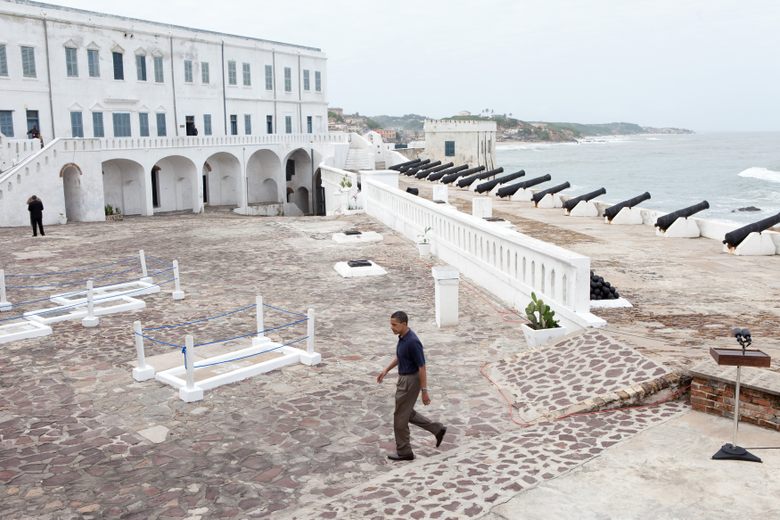
Cape Coast Castle
The Cape Coast Castle is a haunting reminder of Ghana's dark and terrible history. The fortress, built by European colonial powers in the 17th century, was a transatlantic slave trade hub where numerous men, women, and children were kept hostage, tortured, and transported off to a life of slavery in the Americas.
Cape Coast Castle stands as a powerful reminder of the tragedies of slavery and the human spirit's endurance. Its majestic white walls and solemn prisons have witnessed several stories of pain and sorrow but also of strength, resistance, and hope.
Visitors may tour the castle's underground chambers, go through the famed "Door of No Return," and learn about Ghana's and the African continent's intricate past. By reading this article, you can understand the tragic history of Cape Coast Castle in Ghana.
What Is Cape Coast Castle Famous For?
Cape Coast Castle is famous for its role in the transatlantic slave trade. As one of the largest and most important slave forts in West Africa, it served as a major hub for the capture, imprisonment, and transportation of enslaved Africans to the Americas. To know more about the Cape Coast Castle in Ghana, let’s look at some interesting facts about it.
Facts About Cape Coast Castle
· Construction of the castle began in 1653 by the Swedes, and it was later taken over by the British in 1664. It underwent several renovations over the years, with the most extensive renovations being carried out by the British in the 18th century.
· Cape Coast Castle was a major center of the transatlantic slave trade. It is estimated that over 30,000 enslaved Africans were held in the castle's dungeons before being shipped off to the Americas.
· The castle was also used as a trading post for gold and other commodities.
· The castle played a key role in the political and economic history of Ghana, serving as the seat of colonial government and the center of British power in the region.
· The castle was the site of several significant events in Ghana's struggle for independence, including the formation of the country's first political party, the United Gold Coast Convention, in 1947.
· Cape Coast Castle is a popular tourist attraction and a UNESCO World Heritage site. Visitors can explore the castle's dungeons, walk through the "Door of No Return," and learn about the history of the transatlantic slave trade and its impact on Ghana and the wider African continent.
In addition to its historical significance, Cape Coast Castle is also known for its striking architecture, including its distinctive white walls and the imposing central tower that dominates the castle's courtyard.
What Is The History Of Cape Coast Castle?
Cape Coast Castle is a historical landmark located in the town of Cape Coast, Ghana. Its history serves as a poignant reminder of the atrocities committed against African people and the ongoing struggle for equality and justice in the modern world. The castle, which was constructed in the 17th century, played a significant role in the transatlantic slave trade. It was initially built as a trading lodge for the Swedish Africa Company in 1653, but it was later taken over by the British in 1664 and became a key hub for the transatlantic slave trade in West Africa.
From the late 17th century to the mid-19th century, Cape Coast Castle was one of the largest centers of the slave trade in West Africa. Tens of thousands of enslaved Africans were held in the castle's dungeons before being transported across the Atlantic to the Americas and the Caribbean.
The castle was also an important administrative center for the British colonial government in Ghana. The British used Cape Coast Castle as their headquarters for the Gold Coast colony, and it was the seat of the colonial government until 1877.
In the early 20th century, Cape Coast Castle was converted into a museum to educate visitors about the history of the transatlantic slave trade and the impact of colonialism in Ghana. The castle's museum is now one of the most popular tourist destinations in Ghana, attracting thousands of visitors from around the world each year.
What To See In The Cape Coast Castle?
Visitors to Cape Coast Castle can see several parts of the castle and learn about its history. Here are some of the things one can see there:
· Dungeons: You can explore the castle's underground dungeons, where enslaved Africans were held in cramped and inhumane conditions. The dungeons are a powerful reminder of the brutality of the slave trade.
· Door of No Return: This is the small, rectangular opening that enslaved Africans were forced to pass through before being shipped off to the Americas. It has become a powerful symbol of the trauma and injustice of the slave trade.
· Living quarters: You can see the living quarters where the castle's British governors and officials resided.
· Courtyard and tower: The castle's central courtyard and tower are impressive examples of colonial architecture and offer stunning views of the surrounding area.
· Museum: The castle houses a museum that displays artifacts and information related to the castle's history and the transatlantic slave trade.
· Memorial: The castle also has a memorial dedicated to the memory of those who suffered and died in the slave trade.
Overall, Cape Coast Castle offers a powerful and moving experience for visitors, providing a glimpse into the brutal reality of the transatlantic slave trade and the enduring legacy of slavery in Ghana and the wider African continent.
How To Get There?
Cape Coast Castle is located in the town of Cape Coast, which is about 150 kilometers (93 miles) west of Ghana's capital, Accra. Following ways to get there:
By car: You can hire a car or take a taxi from Accra to Cape Coast. Depending on traffic, it takes 2 to 3 hours to reach the Castle.
By bus: There are several bus companies that operate between Accra and Cape Coast. The journey takes about 3-4 hours.
By tour: There are several tour operators in Accra that offer guided tours to Cape Coast Castle. These tours usually include transportation, admission fees, and a guide.
Once you arrive in Cape Coast, the castle is located in the center of town and is easily accessible by foot or taxi. It is recommended to visit the castle as part of a guided tour to fully appreciate its historical significance and to learn about its role in the transatlantic slave trade.
How Much Is The Entrance Fee For Cape Coast Castle?
The entrance fee for Cape Coast Castle for Ghanaian citizens is around 2.5 US dollars, and for foreign visitors is around 8.5 US dollars.
Conclusion
Cape Coast Castle is a powerful symbol of the horrors of the transatlantic slave trade and a reminder of the resilience of the human spirit. Its dark history is an important part of Ghana's history and the wider history of the African continent. Today, the castle serves as a museum and a memorial to those who suffered and died in the slave trade, and it is an important site for visitors to learn about this dark chapter in human history.
A visit to Cape Coast Castle is a powerful and moving experience that can help visitors to better understand the legacy of slavery and the ongoing struggles for justice and equality in Ghana and beyond.

00 Comments
No comments yet.
Leave a Comment