

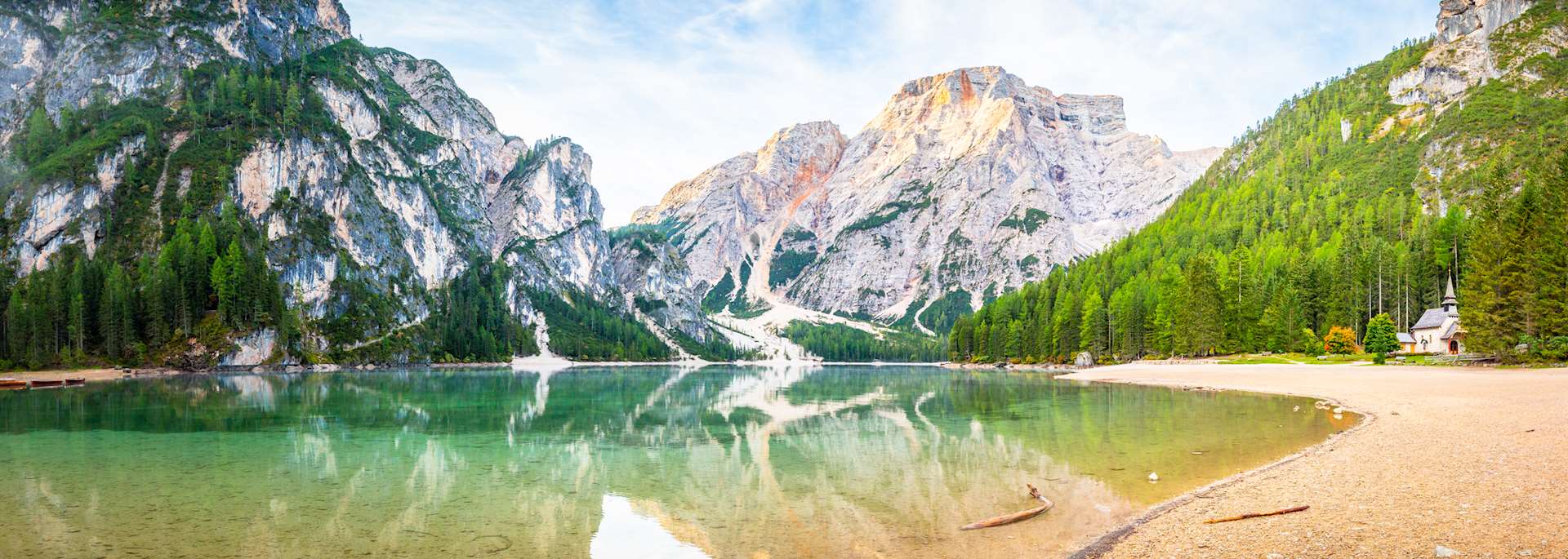
Dolomites
Introduction
Rising dramatically in northern Italy, the Dolomites are one of Europe’s most breathtaking mountain regions. Recognized as a UNESCO World Heritage Site, this spectacular alpine range is renowned for its jagged limestone peaks, sweeping valleys, alpine meadows, and charming mountain villages. Stretching across the regions of South Tyrol, Trentino, and Veneto, the Dolomites offer a harmonious blend of natural beauty, outdoor adventure, and rich cultural heritage.
Unlike many alpine destinations, the Dolomites possess a distinctive character shaped by unique geology and centuries of human settlement. The mountains change color throughout the day, glowing in shades of pink and gold during sunset—a phenomenon known as enrosadira. For travelers seeking dramatic landscapes, cultural depth, and year-round activities, the Dolomites stand as one of Europe’s most rewarding destinations.
Geographical and Environmental Significance
The Dolomites form part of the Southern Limestone Alps and are composed primarily of dolomite rock, which gives the region its name and striking pale appearance. These mountains were once ancient coral reefs submerged beneath a prehistoric sea, later uplifted through tectonic activity, creating the dramatic vertical cliffs and pinnacles seen today.
Located at the crossroads of Italian and Central European climates, the Dolomites support diverse ecosystems ranging from dense forests and alpine pastures to high-altitude rocky terrain. The region is home to rare plant species, alpine wildlife such as ibex and marmots, and pristine freshwater sources that feed surrounding valleys.
Dramatic Landscapes and Natural Wonders
The landscapes of the Dolomites are defined by towering peaks, deep valleys, and vast alpine plateaus. Iconic formations such as Tre Cime di Lavaredo, Marmolada, and Sella Group dominate the skyline, offering some of the most recognizable mountain scenery in Europe.
Lush alpine meadows bloom with wildflowers in summer, while crystal-clear lakes such as Lago di Braies and Lago di Carezza reflect the surrounding peaks. In winter, snow transforms the Dolomites into a pristine alpine wonderland, creating striking contrasts against the rugged rock formations.
Outdoor Adventure and Alpine Activities
The Dolomites are a paradise for outdoor enthusiasts. In summer, the region offers world-class hiking, mountain biking, climbing, and via ferrata routes that allow adventurers to explore the mountains safely while experiencing dramatic heights.
Winter brings excellent skiing and snowboarding opportunities, with the Dolomiti Superski area being one of the largest ski networks in the world. Cross-country skiing, snowshoeing, and winter hiking provide quieter ways to experience the alpine environment.
These year-round activities make the Dolomites an ideal destination for both thrill-seekers and travelers seeking peaceful nature experiences.
Cultural Heritage and Alpine Traditions
The cultural identity of the Dolomites is shaped by a blend of Italian, Austrian, and Ladin influences. Traditional villages feature wooden chalets, stone churches, and mountain farms that reflect centuries of alpine life.
The Ladin people, an indigenous ethnic group, preserve a unique language and customs passed down through generations. Seasonal festivals, traditional dress, and folk music celebrate the region’s deep connection to the land and its history.
This cultural richness adds depth to the Dolomites, making them not only a natural destination but also a cultural one.
Cuisine of the Dolomites
Dolomite cuisine reflects alpine traditions and regional diversity. Hearty dishes such as speck, dumplings (canederli), and polenta are staples, providing warmth and nourishment after long days outdoors.
Local cheeses, cured meats, and fresh dairy products are often sourced from mountain farms. The region also produces excellent wines, particularly in South Tyrol, where alpine conditions meet Mediterranean influences. Dining in the Dolomites is both a culinary and cultural experience rooted in local heritage.
Sustainable Tourism and Environmental Protection
Sustainability is a growing priority in the Dolomites. As a UNESCO World Heritage Site, the region emphasizes environmental protection, responsible tourism, and preservation of natural landscapes.
Efforts include limiting development in sensitive areas, promoting eco-friendly transportation, and supporting local agriculture and businesses. Many mountain lodges and resorts incorporate renewable energy and sustainable practices, ensuring the Dolomites remain preserved for future generations.
Best Time to Visit the Dolomites
The best time to visit the Dolomites depends on the type of experience sought. June to September is ideal for hiking, cycling, and sightseeing, with mild temperatures and accessible trails.
December to March attracts winter sports enthusiasts, as snowfall transforms the region into a premier ski destination. Shoulder seasons in spring and autumn offer quieter travel, dramatic scenery, and fewer crowds.
How to Get Around
The Dolomites are accessible by train and road from major cities such as Venice, Verona, and Innsbruck. Renting a car provides the greatest flexibility, allowing travelers to explore remote valleys and scenic mountain passes.
Public transportation, including buses and cable cars, connects major towns and hiking areas, offering environmentally friendly ways to navigate the region.
Why the Dolomites Belong on Your Travel Bucket List
The Dolomites offer a rare combination of dramatic natural beauty, cultural heritage, and outdoor adventure. Whether witnessing the glowing peaks at sunset, hiking through alpine meadows, or exploring traditional villages, every experience feels deeply immersive.
For travelers seeking inspiration, tranquility, and connection with nature, the Dolomites deliver an unforgettable alpine journey.
Conclusion
The Dolomites stand as one of Europe’s most remarkable mountain landscapes. Shaped by ancient seas, geological forces, and centuries of alpine life, this extraordinary region offers both adventure and reflection. From towering peaks and pristine lakes to rich cultural traditions and sustainable tourism, the Dolomites invite travelers to experience the enduring beauty of the Alps in its purest form.
00 Comments
No comments yet.
Leave a Comment