

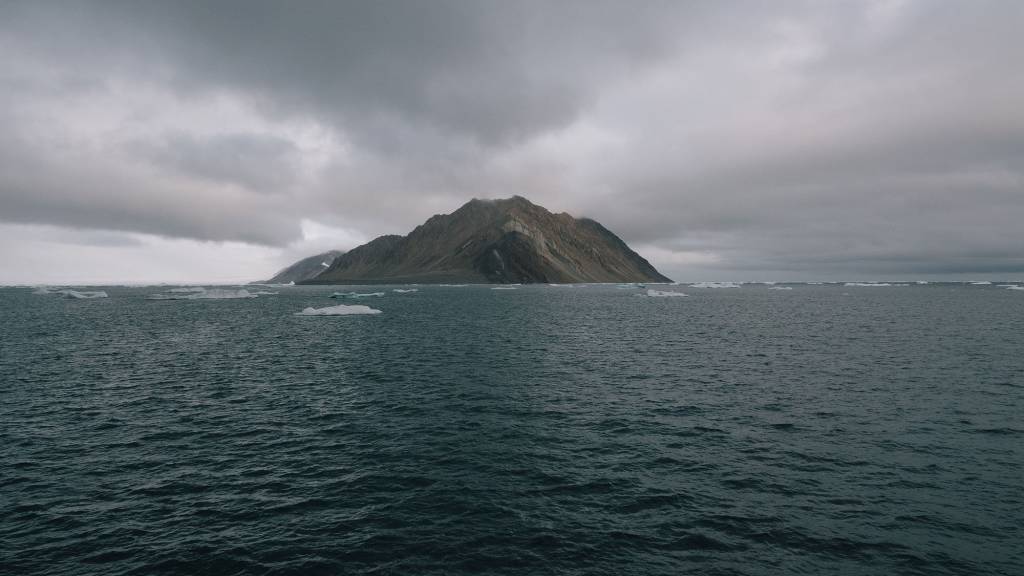
Ellesmere Island
Introduction
At the northernmost edge of Canada, where mountains rise from vast fields of snow and glaciers flow toward the Arctic Ocean, lies Ellesmere Island - one of the most remote and spectacular wilderness destinations on Earth. Located in Nunavut, Ellesmere Island is the northernmost major island of the Canadian Arctic Archipelago and one of the closest landmasses to the North Pole.
Known as the Edge of the Arctic Wilderness, Ellesmere Island is a land of immense glaciers, polar deserts, rugged mountains, deep fjords, sea ice, and extraordinary Arctic wildlife. Much of the island remains untouched, with enormous areas protected within Quttinirpaaq National Park, one of Canada's most remote national parks.
Despite its extreme latitude and harsh climate, the island supports remarkable wildlife. Polar bears travel across sea ice, musk oxen graze across tundra, Arctic hares blend into snowy landscapes, and migratory birds arrive during the brief summer. The island is also home to some of Canada's most dramatic mountain scenery, including the Arctic Cordillera.
For adventure travelers, wildlife photographers, polar explorers, and anyone fascinated by Earth's most extreme environments, this Ellesmere Island travel guide explores why this remote Canadian island deserves a place among the world's ultimate wilderness destinations.
Where Is Ellesmere Island? Geography and Arctic Landscape
Ellesmere Island lies in the far north of Canada, within the Canadian Arctic Archipelago.
It is separated from Greenland by the Nares Strait and is surrounded by the Arctic Ocean and several major Arctic waterways.
With an area of approximately 196,000 square kilometers, Ellesmere Island is Canada's third-largest island.
Its landscape is dominated by:
- Massive glaciers
- Polar deserts
- Snow-covered mountains
- Deep fjords
- Arctic tundra
- Sea ice
- Ice caps
- Coastal cliffs
- Frozen valleys
The northern and eastern parts of the island contain some of the most dramatic mountain scenery in the Canadian Arctic.
Much of the island is characterized by an extremely cold, dry climate, resulting in landscapes that resemble the surface of another planet.
Why Is Ellesmere Island Famous?
Ellesmere Island is internationally recognized for its remoteness, extreme Arctic environment, and exceptional wildlife.
The island is famous for:
- One of Canada's northernmost land areas
- Quttinirpaaq National Park
- Arctic Cordillera mountains
- Polar bear habitat
- Massive glaciers and ice caps
- Arctic desert landscapes
- Musk oxen
- Remote Inuit heritage
- Extreme polar expeditions
- Midnight Sun and polar darkness
Its extraordinary combination of mountains, glaciers, wildlife, and isolation makes Ellesmere Island one of the world's ultimate Arctic destinations.
History and Natural Significance
Ellesmere Island has a fascinating history shaped by Indigenous peoples, explorers, scientists, and polar expeditions.
The region has been inhabited by Inuit communities for thousands of years, with people developing sophisticated knowledge of sea ice, wildlife, weather, and Arctic survival.
European explorers later reached the island during expeditions searching for the Northwest Passage and routes toward the North Pole.
The island also became an important location for scientific research because of its extreme environment and geological history.
One of its most remarkable natural features is the Arctic Cordillera, a vast mountain system containing some of Canada's highest Arctic peaks.
Ellesmere Island also preserves evidence of dramatically different climates in the distant past. Fossils and ancient plant remains reveal that parts of the Arctic once supported forests and much warmer ecosystems.
Today, the island is an important center for climate research, glaciology, geology, and Arctic ecology.
Top Attractions on Ellesmere Island
Quttinirpaaq National Park - Canada's High Arctic Wilderness
The centerpiece of Ellesmere Island is Quttinirpaaq National Park.
Located in the extreme northern part of the island, the park is one of the most isolated protected areas in Canada.
Its landscape includes:
- Glaciers
- Ice caps
- Mountains
- Fjords
- Polar desert
- Archaeological sites
- Arctic wildlife
The park is a dream destination for experienced polar adventurers seeking untouched wilderness.
Lake Hazen - Arctic's Great Inland Lake
Lake Hazen is one of the most famous natural landmarks on Ellesmere Island.
Located within Quttinirpaaq National Park, it is the largest lake north of the Arctic Circle by volume and one of the most remarkable freshwater environments in the High Arctic.
Towering mountains and glaciers surround the lake, creating spectacular scenery.
The region also supports wildlife including musk oxen, Arctic hares, and numerous migratory birds.
Arctic Cordillera - Canada's High Arctic Mountains
The Arctic Cordillera forms one of the island's most dramatic landscapes.
Jagged peaks, deep valleys, glaciers, and snowfields dominate the horizon.
Some mountains rise more than 2,500 meters, creating an extraordinary contrast with the surrounding polar desert.
For photographers and mountaineers, the region provides some of Canada's most spectacular high-latitude scenery.
Tanquary Fiord
Tanquary Fiord is an important gateway to Quttinirpaaq National Park and one of the island's most spectacular fjords.
Glaciers descend toward the water while rugged mountains surround the narrow inlet.
The area also provides opportunities to observe Arctic wildlife and experience the extraordinary silence of the High Arctic.
Eureka - One of the World's Northernmost Research Stations
Eureka Weather Station is one of the world's northernmost permanently operated research stations.
Located in a remote Arctic environment, Eureka supports meteorological and scientific research.
The surrounding landscape offers a remarkable glimpse into the extreme conditions of the Canadian High Arctic.
Wildlife and Arctic Nature
Despite its harsh environment, Ellesmere Island supports an impressive range of Arctic wildlife.
Visitors may encounter:
- Polar bears
- Musk oxen
- Arctic hares
- Arctic foxes
- Peary caribou
- Ringed seals
- Bearded seals
- Narwhals
- Beluga whales
- Walruses
- Snowy owls
- Arctic terns
Musk oxen are particularly iconic on Ellesmere Island. Their thick coats allow them to survive temperatures that would be deadly for many other mammals.
Polar bears are also present, particularly around sea-ice environments where they hunt seals.
Wildlife sightings are never guaranteed, but the island's vast protected landscapes provide important habitat for Arctic species.
Best Things to Do on Ellesmere Island
Ellesmere Island is designed for travelers seeking serious wilderness experiences rather than conventional sightseeing.
Popular activities include:
- Arctic hiking
- Wildlife photography
- Polar expeditions
- Glacier exploration
- Mountaineering
- Birdwatching
- Landscape photography
- Camping in the High Arctic
- Scientific and educational expeditions
- Exploring Inuit archaeological sites
Because of the island's remoteness, most activities require experienced guides, specialist equipment, and careful logistical planning.
Local Culture and Inuit Heritage
Ellesmere Island has a deep connection to Inuit history.
The region contains archaeological evidence of Indigenous occupation dating back thousands of years, including traces associated with earlier Arctic cultures.
Modern Inuit knowledge remains extremely valuable for understanding the landscape, wildlife, sea ice, and seasonal conditions.
Visitors should approach archaeological sites and culturally significant areas with great respect.
Learning about Inuit relationships with the Arctic adds an important human dimension to the island's extraordinary natural environment.
Sustainable Tourism and Conservation
Ellesmere Island is one of Canada's most fragile wilderness regions.
Large portions of the island are protected through national parks and other conservation measures.
Visitors must follow strict environmental guidelines to protect wildlife and delicate Arctic ecosystems.
Responsible travel includes:
- Keeping a safe distance from wildlife
- Staying on established routes where applicable
- Never disturbing archaeological sites
- Carrying out all waste
- Avoiding damage to tundra vegetation
- Following polar bear safety procedures
- Respecting Inuit heritage and local knowledge
Because Arctic vegetation grows extremely slowly, even small disturbances can remain visible for decades.
Best Time to Visit Ellesmere Island (Month-by-Month Guide)
The best time to visit Ellesmere Island is generally during the Arctic summer from June to August.
June
The landscape begins emerging from winter, and the Midnight Sun provides continuous daylight.
July
Wildlife activity increases, migratory birds arrive, and temperatures are generally more suitable for exploration.
August
Late summer provides excellent conditions for hiking, photography, and wildlife observation before winter begins returning.
September to May
The island enters a period of extreme cold and darkness, with difficult travel conditions and limited conventional tourism.
For most travelers, summer is the only practical season for visiting.
How to Get to Ellesmere Island
Reaching Ellesmere Island is an expedition in itself.
Travelers typically fly to Resolute or other northern Canadian communities before connecting by specialized charter flights or expedition logistics.
Access to Quttinirpaaq National Park is particularly challenging and usually requires charter aircraft.
There are no conventional highways or commercial tourist routes across the island.
Because of its isolation, visitors should travel with experienced operators familiar with High Arctic conditions.
Essential Travel Tips for Visiting Ellesmere Island
Preparation is critical for a safe Arctic journey.
- Bring high-quality thermal and waterproof clothing.
- Carry reliable navigation and communication equipment.
- Use appropriate footwear for snow, ice, and rocky terrain.
- Bring binoculars and a telephoto lens for wildlife.
- Prepare for rapidly changing weather.
- Follow all polar bear safety procedures.
- Never approach wildlife.
- Expect transportation and itinerary changes caused by weather.
- Travel with experienced Arctic guides.
Ellesmere Island is not a destination for spontaneous travel. Careful planning and professional support are essential.
Why Visit Ellesmere Island?
Ellesmere Island offers something increasingly rare - the opportunity to experience an almost untouched wilderness at the northern edge of the world.
Here, glaciers stretch across enormous valleys, musk oxen move across silent tundra, polar bears patrol sea ice, and mountains rise dramatically above the Arctic horizon.
The island's extreme isolation makes the experience even more powerful. There are no crowded attractions or busy tourist centers. Instead, visitors encounter vast landscapes where natural forces still determine the rhythm of life.
For photographers, wildlife enthusiasts, mountaineers, scientists, and adventurous travelers, Ellesmere Island represents the ultimate Arctic escape.
Conclusion
Ellesmere Island is far more than one of Canada's northernmost islands - it is one of the world's greatest remaining wildernesses. Its immense glaciers, Arctic Cordillera mountains, polar deserts, wildlife, Inuit heritage, and extraordinary remoteness create an experience unlike almost anywhere else on Earth.
From exploring Quttinirpaaq National Park and Lake Hazen to photographing musk oxen beneath the Midnight Sun, every journey into this remote landscape reveals the extraordinary resilience of life in the High Arctic.
For travelers searching for untouched nature, extreme landscapes, and genuine polar adventure, Ellesmere Island truly lives up to its reputation as the Edge of the Arctic Wilderness.
00 Comments
No comments yet.
Leave a Comment