
Traveller

Fez

Fez

Introduction

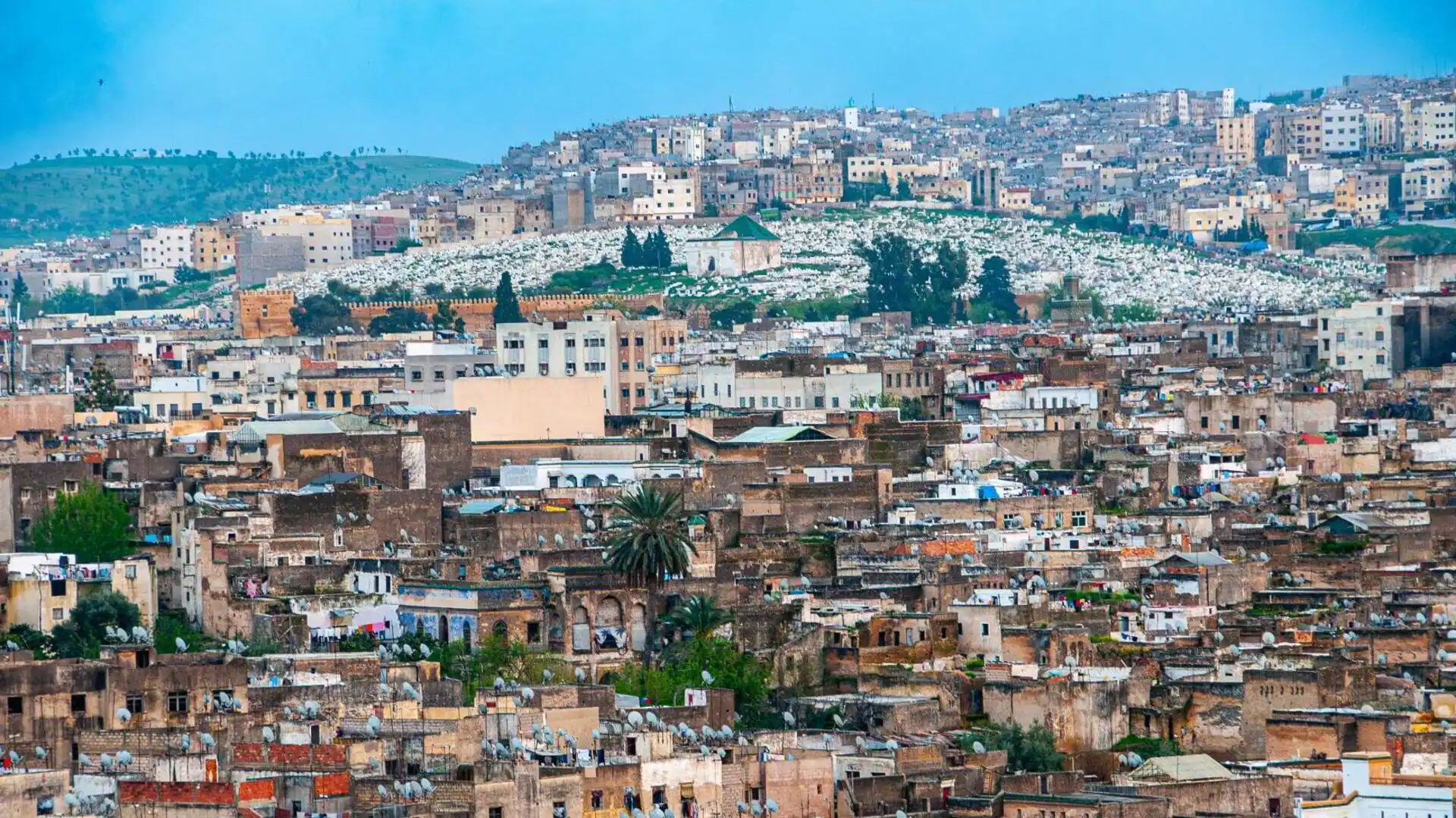
Fez, Morocco, is one of the world’s most fascinating medieval cities—a place where time seems to stand still. Known as Morocco’s spiritual and cultural capital, Fez offers an immersive journey into centuries-old traditions, architecture, craftsmanship, and scholarship. Unlike modern tourist hubs, Fez preserves its authenticity through a living, breathing old city where daily life unfolds much as it did hundreds of years ago.

Founded in the 8th century, Fez became a center of Islamic learning, trade, and craftsmanship. Today, it remains one of the most complete and well-preserved medieval cities in the world. For travelers seeking history, culture, and genuine Moroccan heritage, Fez delivers an experience that is both intense and unforgettable.


Geographical and Environmental Significance

Fez is located in northern Morocco, nestled between the Rif Mountains and the Middle Atlas Mountains. Its strategic position made it an important crossroads for trans-Saharan trade routes and Mediterranean commerce. The city’s fertile surroundings contributed to its growth as an economic and intellectual center.

The climate in Fez is typically Mediterranean, with hot summers and mild, wet winters. The nearby hills provide natural protection and scenic viewpoints overlooking the city’s vast historic core. This geographical setting played a key role in shaping Fez’s development as a fortified and self-contained medieval metropolis.


Landscapes and Heritage: The Ancient Medina

The heart of Fez is the Fes el Bali, the oldest part of the city and a UNESCO World Heritage Site. Often described as the largest car-free urban area in the world, this labyrinthine medina is home to over 9,000 narrow alleys, bustling souks, mosques, and historic homes.

Walking through Fes el Bali feels like stepping into the Middle Ages. Traditional riads with interior courtyards hide behind unassuming doors, while markets overflow with spices, textiles, lanterns, and ceramics. The architectural highlights include intricately carved wooden doors, colorful zellige tilework, and towering minarets that define the skyline.

One of the city’s most famous landmarks is the Al Quaraouiyine University, recognized as the oldest continually operating university in the world. Founded in 859 AD, it remains a symbol of Fez’s intellectual and religious significance.


Cultural Identity and Living Traditions

Fez is often called Morocco’s spiritual capital, and its cultural identity is deeply rooted in Islamic scholarship and traditional craftsmanship. Religious schools, known as madrasas, such as the beautifully restored Bou Inania Madrasa, showcase exquisite architectural artistry.

Craft traditions remain central to daily life in Fez. Skilled artisans continue centuries-old practices in leather tanning, metalwork, woodworking, and ceramics. The city’s famous tanneries, particularly the Chouara Tannery, provide a vivid glimpse into traditional leather production using natural dyes and techniques passed down through generations.

Festivals, music, and religious celebrations further enrich the city’s cultural atmosphere. The annual Fez Festival of World Sacred Music attracts international performers while honoring spiritual harmony and tradition.


Cuisine of Fez and Moroccan Flavors

Fez is considered one of Morocco’s culinary capitals. The city’s cuisine reflects a blend of Arab, Berber, Andalusian, and Jewish influences. Signature dishes such as pastilla—a sweet and savory pie filled with pigeon or chicken—originated in Fez.

Other local specialties include tagines slow-cooked with preserved lemons and olives, hearty couscous dishes, and rich harira soup. Street markets and traditional restaurants offer authentic flavors enhanced by aromatic spices like saffron, cinnamon, and cumin.

Moroccan mint tea, served ceremoniously, is an essential part of hospitality in Fez. Dining here is not just about food—it is a cultural ritual deeply woven into everyday life.


Architecture and Urban Design

Fez’s architecture reflects Islamic design principles centered on privacy and community. Homes are built inward around central courtyards, shielding families from the busy streets while maintaining elegant interiors.

Madrasas and mosques feature geometric patterns, carved cedar wood, and detailed plasterwork. The city’s gates, including Bab Bou Jeloud (the Blue Gate), mark entry points into the medina and serve as striking examples of traditional Moroccan craftsmanship.

Unlike modern cities designed for cars and grids, Fez retains its organic medieval layout. The maze-like streets were intentionally designed for defense and climate control, creating shade and reducing heat during summer months.


Sustainable Preservation of Heritage

Fez faces the challenge of preserving its ancient structures while accommodating modern needs. Restoration initiatives aim to protect historic buildings, riads, and religious institutions without altering their authenticity.

Sustainable tourism efforts encourage visitors to stay in restored riads, support local artisans, and respect cultural customs. By maintaining traditional crafts and protecting architectural heritage, Fez ensures that its medieval character remains intact for future generations.


Best Time to Visit Fez

The best time to visit Fez is during spring (March to May) and autumn (September to November) when temperatures are comfortable for exploring the medina. Summers can be very hot, while winters are cooler and occasionally rainy.

Spring offers blooming landscapes in surrounding hills, while autumn provides pleasant weather ideal for cultural festivals and walking tours.


How to Get Around

Fez is accessible via Fes–Saïss International Airport, which connects the city to major European and Moroccan destinations. Trains and buses link Fez to cities such as Rabat, Casablanca, and Marrakech.

Within the medina, transportation is limited to walking or small handcarts. Exploring on foot is the only way to truly experience Fez’s narrow alleys and hidden corners.


Why Fez Belongs on Your Travel Bucket List

Fez offers a rare opportunity to experience a city that functions much as it did centuries ago. Its preserved medina, living craftsmanship, and deep spiritual heritage create an atmosphere unlike anywhere else in the world.

For travelers seeking authenticity rather than modern spectacle, Fez provides cultural depth, architectural beauty, and immersive history. It is not just a destination—it is a journey into medieval life that continues to thrive in the present day.


Conclusion

Fez, Morocco, stands as one of the most remarkable medieval cities still alive today. From the winding alleys of Fes el Bali and the historic Al Quaraouiyine University to the vibrant tanneries and rich culinary traditions, every corner of Fez tells a story centuries in the making. Visiting Fez is an experience of stepping back in time while witnessing a culture that proudly preserves its heritage. For travelers seeking history, spirituality, and authentic Moroccan tradition, Fez remains an unforgettable destination.

00 Comments

No comments yet.

Leave a Comment

We are offering for you

Featured Articles

Niagara Falls

Niagara Falls is one of the most popular tourist destinations in North America. Every year, millions of people visit Niagara Falls to see the amazing sights and experience the natural wonders of this world-famous destination.

The History of Niagara Falls

Niagara Falls has been a tourist destination for centuries. The first person to visit Niagara Falls was Father Louis Hennepin, a French missionary, in 1678. He wrote about the beauty of the falls, which attracted other European explorers and settlers to the area.

In the early 19th century, Niagara Falls became a popular honeymoon destination for American couples. The popularity of the falls as a tourist destination grew throughout the 19th and 20th centuries. Today Niagara Falls is one of the most popular tourist destinations, attracting millions of visitors each year.

The Different Views of Niagara Falls

There are three different ways to view Niagara Falls: from the Canadian side, from the American side, and from above.

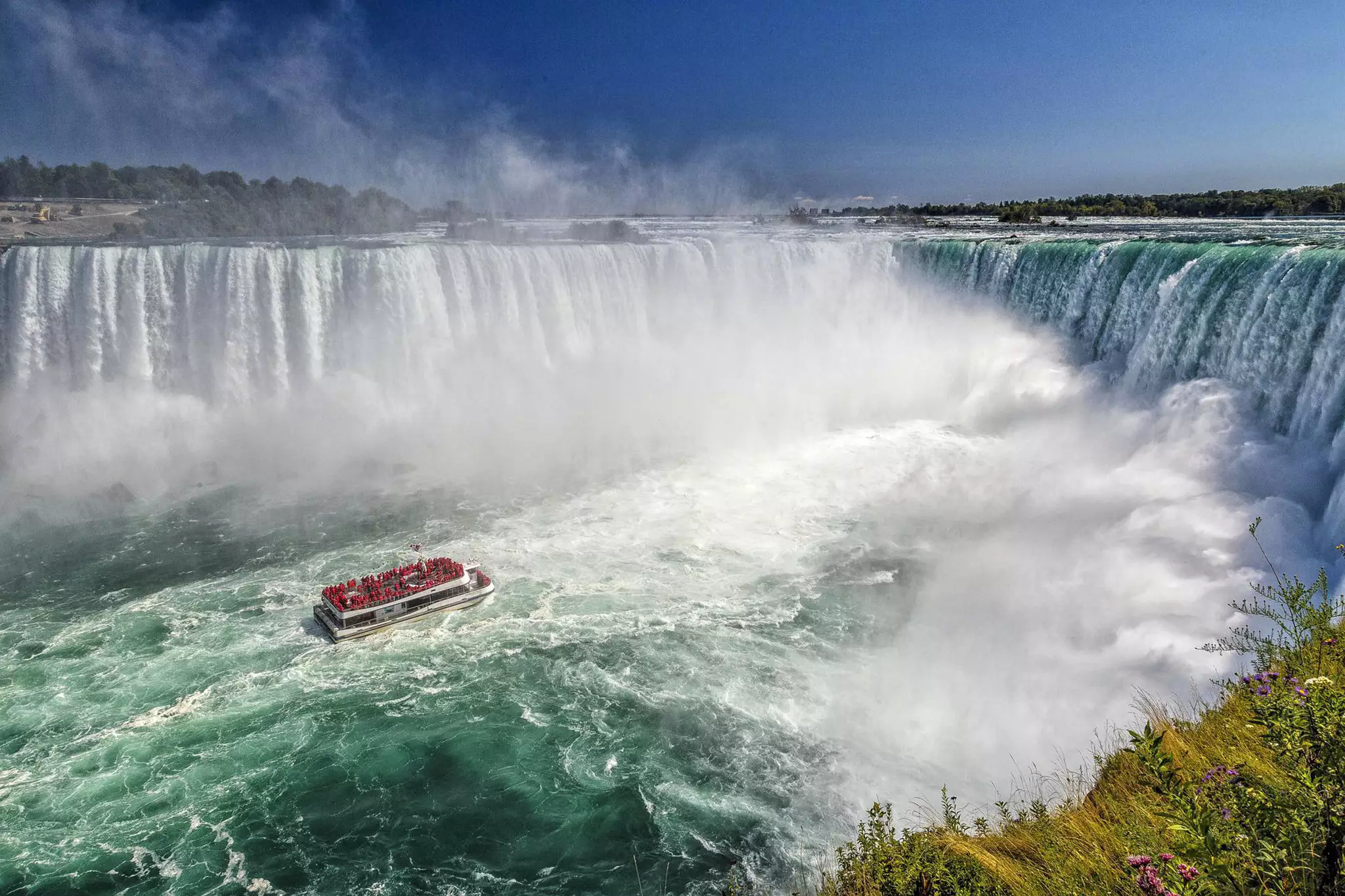
·        The Canadian side offers the best views of Niagara Falls. There are several observation decks, viewing areas, and a boardwalk that takes you right to the edge of the falls. You can also take a ride on the Maid of the Mist boat tour, which gets you up close and personal with the falls.

·        The American side offers different views of Niagara Falls than what you will see from the Canadian side. The most popular spot to view Niagara Falls on the American side is Goat Island, where you can walk out to the edge of Horseshoe Falls. Another great spot for views is Prospect Point Park, where you can get a bird’s eye view of all three waterfalls.

·        For something truly unique, take a trip aboard the Niagara Gorge Railway and enjoy panoramic views of Niagara Falls from above. It is a great way to see all three waterfalls at once and get an idea of how massive they are.

The Edge of the Niagara Falls

The edge of the falls is the best place to see the power of the water as it tumbles over the precipice. Several observation decks along the Niagara Gorge offer breathtaking views of the falls. The Rainbow Bridge, which spans the gorge just upstream from the falls, is a popular spot for picture-taking and boasts an up-close view of both the American and Horseshoe Falls.

Daredevils of Niagara Falls

Since the early days of Niagara Falls, people have been drawn to its raw power and beauty. Over the years, many have attempted to conquer the falls, often with tragic results. Here are some of the most famous (or infamous) daredevils who have taken on Niagara Falls:

·        Annie Edson Taylor was the first person to go over Niagara Falls in a barrel. She did it on her 63rd birthday in 1901 to achieve fame and fortune. Thankfully, she survived the stunt and lived to tell the tale.

·        Bobby Leach was the second person to went over Niagara Falls in a barrel. He did it in 1911 and also survived. Later he performed other stunts, including walking across a tightrope stretched over the falls.

·        Charles Stephens attempted to go over Niagara Falls in a barrel in 1920 but died during the attempt. His body is still missing.

·        Red Hill Sr., along with his son Red Hill Jr., became the first (and only) father and son duet, who went over Niagara Falls together in a barrel. They did it in 1951, and both survived.

·        Nik Wallenda became the first person to walk across Niagara Falls on a tightrope in 2012. He completed the stunt, which was televised live around the world.

How to get to Niagara Falls

Niagara Falls are located on the border between the United States and Canada, so there are a few different ways to reach them depending on your location.

If you are coming from the United States, the easiest way to get to Niagara Falls is by car. Several highways lead right to the falls, and once you cross the border into Canada, signs will point you in the right direction.

If you are coming from Toronto or another Canadian city, you can take a bus or train to Niagara Falls.

Once you arrive in Niagara Falls, there are plenty of ways to get up close and personal with the falls.

·        You can walk along the edges of the waterfall.

·        You can ride an elevator to the top of one of the falls for an incredible view.

·        You can also take a boat tour that takes you right into the spray of the falls.

Travel Guide for Niagara Falls

While planning a trip to Niagara Falls, there are a few things to know before visiting. Here is a travel guide for sightseers that will help you make the most of your trip:

When to Visit: The best time to visit Niagara Falls is during the summer season when the weather is warm and sunny. However, keep in mind that June through August are also the busiest months at Niagara Falls, so expect large crowds. If you want to avoid the crowds, plan your trip for September or October when the weather is still pleasant.

What to See: There is more to see at Niagara Falls than just the falls themselves. Be sure to take a ride on the Maid of the Mist boat tour for an up-close look at the powerful falls, and do not forget to visit Goat Island for some fantastic views. For something truly unique, check out 'Journey Behind the Falls', where you can stand inside a cave behind the raging waters of Horseshoe Falls.

What to Do: Other than sightseeing, there are plenty of other activities to enjoy at Niagara Falls. Take a walk along one of the many scenic trails, go whitewater rafting or tubing down the rapids, or take a helicopter.

Where to stay when visiting Niagara Falls

The first question you need to ask when trying to find accommodation in Niagara Falls is, how close to the Falls do you want to be?

If your priority is to walk out of your door and see the Falls, then you can stay in hotels like the Niagara Falls Marriott or the Sheraton on the Falls. Both of these come with a high price tag, so if you are looking for something more budget-friendly, there are plenty of other hotels located a little further away from the Falls. These hotels will still give you easy access to all the main attractions.

If you are hoping to do some wine touring, then it might be worth considering staying in Niagara-on-the-Lake. This quaint town, situated right in the middle of Ontario's wine country, offers visitors plenty of options for day trips and activities. There are also several good restaurants and cafes, as well as several bed and breakfasts if you are looking for a more intimate accommodation option.

No matter where you choose to stay, there is no doubt that Niagara Falls is an incredible destination that will leave you with memories to last a lifetime.

Conclusion

Niagara Falls is one of the world's most famous natural wonders and a must-see for any traveler. With its three massive waterfalls, Niagara Falls is one of the most famous waterfalls in the world to be visited once in a lifetime. This travel guide will help you make the most of your visit to Niagara Falls, from where to stay and what to do, to how to best experience this natural wonder. So start planning your trip to Niagara Falls today.