
Traveller

Fiordland National Park

Fiordland National Park

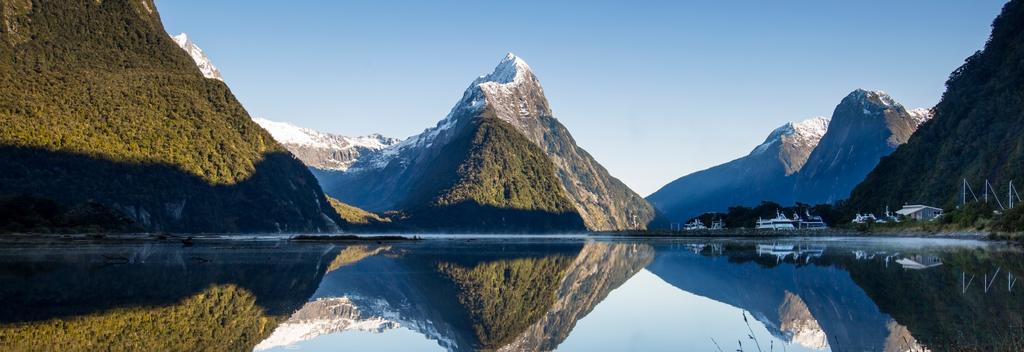
The stunning beauty of Fiordland National Park has long been a feature of the South Island of New Zealand. This rugged and untouched region is home to some of the oldest mountains in the world and is one of the most pristine wildernesses on Earth.

Fiordland National Park is one of the largest national parks in New Zealand, responsible for some of the country's most beautiful natural landscapes. The park occupies the southwest corner of the South Island and spans over 12,000 square kilometers.

The first European settlers arrived in the late 19th century and began exploiting the area's natural resources. Today, Fiordland National Park is protected, and its unique landscapes are preserved for the enjoyment of future generations.

The History of Fiordland National Park in New Zealand

Fiordland National Park, located on New Zealand's South Island, is a world-renowned natural treasure. The park spans over 1.2 million hectares and is home to some of the country's most stunning landscapes, including fiords, mountains, rainforests, and waterfalls.

The area, known as Fiordland National Park, was first settled by Maori tribes over 800 years ago. These early settlers named the fiords after their deities and used them as a part of their spiritual beliefs and practices. The Maori people have a deep connection to Fiordland National Park, which continue to play a vital role in its management today.

European explorers first arrived in Fiordland in the late 1700s, but it was not until the late 1800s that colonization began in earnest. During this time, the maximum area of the forest was cleared and used for farming and sheep grazing. It had a devastating impact on the local ecosystem, which resulted in widespread erosion and loss of native vegetation.

Fortunately, Fiordland's unique beauty soon caught the attention of conservationists who fought to have it protected as a national park. Finally, in 1952, the Fiordland National Park was established, becoming one of New Zealand's first national parks. Today, the park is a popular tourist destination and a part of New Zealand's economy.

Location, Geography, and Climate of the National Park

Fiordland National Park is located on New Zealand's South Island, stretching from Milford Sound in the north to Doubtful Sound in the south. The park covers an area of 1.2 million hectares, making it one of the largest national parks in the world.

The Fiordland region is characterized by its steep mountains, deep valleys, and pristine waterways. The park is home to some of the most beautiful scenery in New Zealand, with highlights including Milford Sound, Lake Te Anau, and Mount Aspiring National Park.

The climate of Fiordland is temperate, with cool winters and mild summers. Rainfall is heavy throughout the year, so visitors should prepare themselves for wet weather conditions.

Activities in the Fiordland National Park

There are plenty of activities to enjoy in Fiordland National Park, whether you are looking for a challenging hike or a leisurely stroll.

The Milford Track is one of the most popular hiking trails in Fiordland National Park. The trail takes you through some of the most stunning scenery in the park, including pristine rainforests, alpine meadows, and majestic fiords. Hiking the Milford Track is an unforgettable experience and should not be missed when visiting Fiordland National Park.

For those looking for a less strenuous activity, plenty of shorter walks and hikes are available throughout the park. Many scenic drives wind their way through Fiordland National Park, allowing visitors to take in the beauty of the landscape at their own pace.

Whatever activity you choose in Fiordland National Park, you will have an incredible experience.

Getting to Fiordland National Park

Fiordland National Park is on the southwest corner of New Zealand's South Island. A car or campervan is the best option to get there. The drive from Queenstown takes about three hours, and from Te Anau, the gateway town to Fiordland, it takes about an hour.

There are several ways to explore Fiordland National Park. You can take a boat cruise through Milford Sound and go kayaking in Doubtful Sound or hike one of the many trails in the park.

If you are short on time, the best way to see Fiordland National Park is by taking a boat cruise through Milford Sound. This Fiordland is home to waterfalls, rainforests, and wildlife, including dolphins and penguins. A few different companies offer boat cruises, so be sure to do your research before booking.

While looking for something a little more adventurous, consider kayaking in Doubtful Sound. This Fiordland is much less crowded than Milford Sound and offers a unique perspective of the area. You might even spot some seals or dolphins while out on the water. Several companies offer guided tours, or you can rent your kayak and explore on your own.

No matter how you explore Fiordland National Park, you will be amazed by its natural beauty.

What to Pack for a Trip to the Fiordland National Park

The Fiordland National Park is one of the most popular tourist destinations in New Zealand. It is located on the South Island and is known for its natural beauty. When packing for a trip to Fiordland National Park, a few things should be kept in mind.

When packing for a trip to the Fiordland National Park, you should focus on comfort and practicality. Bring clothes that you can layer, comfortable shoes, and items that will help you stay entertained and comfortable while in close quarters with other people.

Conclusion

Fiordland National Park should be near the top when looking for a stunning natural destination to add to your travel bucket list. This incredible park is home to some of New Zealand's most beautiful scenery, from towering mountains to pristine fiords. And with so many activities on offer, there is something for everyone to enjoy.

00 Comments

No comments yet.

Leave a Comment

We are offering for you

Featured Articles

Niagara Falls

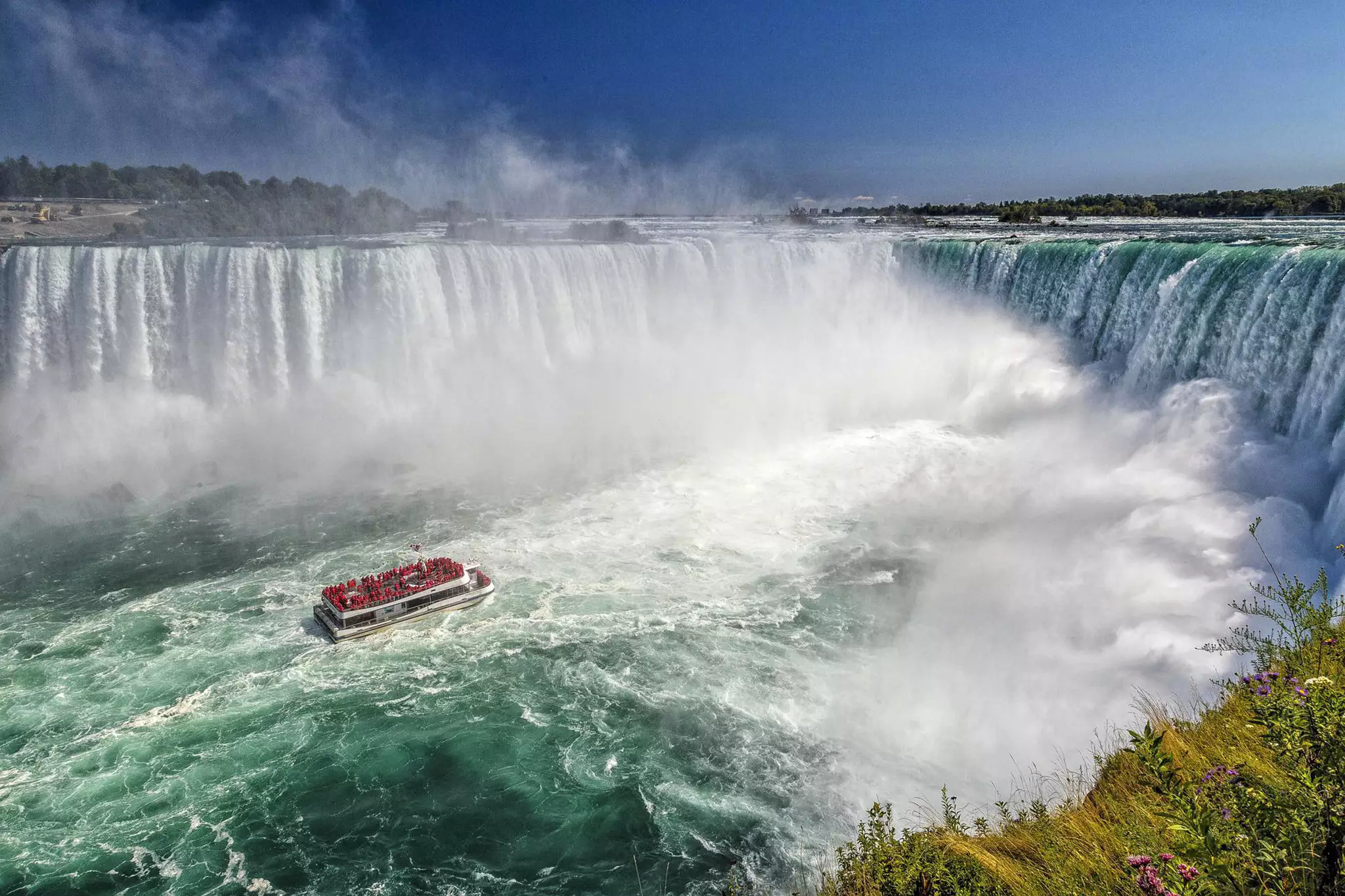
Niagara Falls is one of the most popular tourist destinations in North America. Every year, millions of people visit Niagara Falls to see the amazing sights and experience the natural wonders of this world-famous destination.

The History of Niagara Falls

Niagara Falls has been a tourist destination for centuries. The first person to visit Niagara Falls was Father Louis Hennepin, a French missionary, in 1678. He wrote about the beauty of the falls, which attracted other European explorers and settlers to the area.

In the early 19th century, Niagara Falls became a popular honeymoon destination for American couples. The popularity of the falls as a tourist destination grew throughout the 19th and 20th centuries. Today Niagara Falls is one of the most popular tourist destinations, attracting millions of visitors each year.

The Different Views of Niagara Falls

There are three different ways to view Niagara Falls: from the Canadian side, from the American side, and from above.

·        The Canadian side offers the best views of Niagara Falls. There are several observation decks, viewing areas, and a boardwalk that takes you right to the edge of the falls. You can also take a ride on the Maid of the Mist boat tour, which gets you up close and personal with the falls.

·        The American side offers different views of Niagara Falls than what you will see from the Canadian side. The most popular spot to view Niagara Falls on the American side is Goat Island, where you can walk out to the edge of Horseshoe Falls. Another great spot for views is Prospect Point Park, where you can get a bird’s eye view of all three waterfalls.

·        For something truly unique, take a trip aboard the Niagara Gorge Railway and enjoy panoramic views of Niagara Falls from above. It is a great way to see all three waterfalls at once and get an idea of how massive they are.

The Edge of the Niagara Falls

The edge of the falls is the best place to see the power of the water as it tumbles over the precipice. Several observation decks along the Niagara Gorge offer breathtaking views of the falls. The Rainbow Bridge, which spans the gorge just upstream from the falls, is a popular spot for picture-taking and boasts an up-close view of both the American and Horseshoe Falls.

Daredevils of Niagara Falls

Since the early days of Niagara Falls, people have been drawn to its raw power and beauty. Over the years, many have attempted to conquer the falls, often with tragic results. Here are some of the most famous (or infamous) daredevils who have taken on Niagara Falls:

·        Annie Edson Taylor was the first person to go over Niagara Falls in a barrel. She did it on her 63rd birthday in 1901 to achieve fame and fortune. Thankfully, she survived the stunt and lived to tell the tale.

·        Bobby Leach was the second person to went over Niagara Falls in a barrel. He did it in 1911 and also survived. Later he performed other stunts, including walking across a tightrope stretched over the falls.

·        Charles Stephens attempted to go over Niagara Falls in a barrel in 1920 but died during the attempt. His body is still missing.

·        Red Hill Sr., along with his son Red Hill Jr., became the first (and only) father and son duet, who went over Niagara Falls together in a barrel. They did it in 1951, and both survived.

·        Nik Wallenda became the first person to walk across Niagara Falls on a tightrope in 2012. He completed the stunt, which was televised live around the world.

How to get to Niagara Falls

Niagara Falls are located on the border between the United States and Canada, so there are a few different ways to reach them depending on your location.

If you are coming from the United States, the easiest way to get to Niagara Falls is by car. Several highways lead right to the falls, and once you cross the border into Canada, signs will point you in the right direction.

If you are coming from Toronto or another Canadian city, you can take a bus or train to Niagara Falls.

Once you arrive in Niagara Falls, there are plenty of ways to get up close and personal with the falls.

·        You can walk along the edges of the waterfall.

·        You can ride an elevator to the top of one of the falls for an incredible view.

·        You can also take a boat tour that takes you right into the spray of the falls.

Travel Guide for Niagara Falls

While planning a trip to Niagara Falls, there are a few things to know before visiting. Here is a travel guide for sightseers that will help you make the most of your trip:

When to Visit: The best time to visit Niagara Falls is during the summer season when the weather is warm and sunny. However, keep in mind that June through August are also the busiest months at Niagara Falls, so expect large crowds. If you want to avoid the crowds, plan your trip for September or October when the weather is still pleasant.

What to See: There is more to see at Niagara Falls than just the falls themselves. Be sure to take a ride on the Maid of the Mist boat tour for an up-close look at the powerful falls, and do not forget to visit Goat Island for some fantastic views. For something truly unique, check out 'Journey Behind the Falls', where you can stand inside a cave behind the raging waters of Horseshoe Falls.

What to Do: Other than sightseeing, there are plenty of other activities to enjoy at Niagara Falls. Take a walk along one of the many scenic trails, go whitewater rafting or tubing down the rapids, or take a helicopter.

Where to stay when visiting Niagara Falls

The first question you need to ask when trying to find accommodation in Niagara Falls is, how close to the Falls do you want to be?

If your priority is to walk out of your door and see the Falls, then you can stay in hotels like the Niagara Falls Marriott or the Sheraton on the Falls. Both of these come with a high price tag, so if you are looking for something more budget-friendly, there are plenty of other hotels located a little further away from the Falls. These hotels will still give you easy access to all the main attractions.

If you are hoping to do some wine touring, then it might be worth considering staying in Niagara-on-the-Lake. This quaint town, situated right in the middle of Ontario's wine country, offers visitors plenty of options for day trips and activities. There are also several good restaurants and cafes, as well as several bed and breakfasts if you are looking for a more intimate accommodation option.

No matter where you choose to stay, there is no doubt that Niagara Falls is an incredible destination that will leave you with memories to last a lifetime.

Conclusion

Niagara Falls is one of the world's most famous natural wonders and a must-see for any traveler. With its three massive waterfalls, Niagara Falls is one of the most famous waterfalls in the world to be visited once in a lifetime. This travel guide will help you make the most of your visit to Niagara Falls, from where to stay and what to do, to how to best experience this natural wonder. So start planning your trip to Niagara Falls today.