

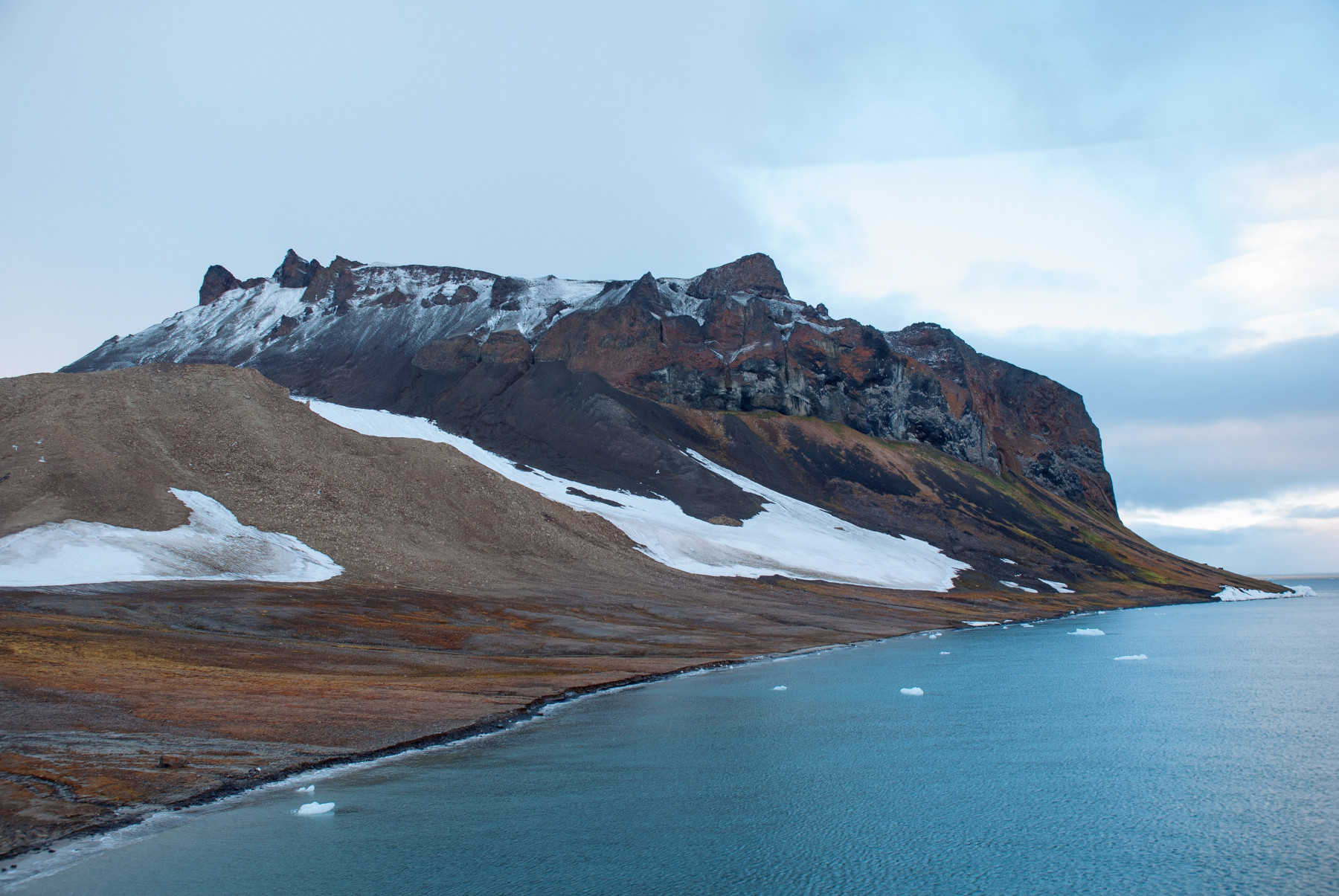
Franz Josef Land
Introduction
Far beyond the Arctic Circle, in the frozen waters of the Arctic Ocean, lies Franz Josef Land, one of the most remote and spectacular archipelagos on Earth. Made up of more than 190 islands, this vast Russian Arctic wilderness is a world of towering glaciers, snow-covered mountains, dramatic cliffs, floating sea ice, and endless polar horizons.
Known as the Arctic Ice Kingdom, Franz Josef Land offers a rare glimpse into a landscape where nature still dominates almost completely. The archipelago is part of the Russian Arctic National Park, a protected wilderness that provides important habitat for polar bears, walruses, Arctic foxes, seals, seabirds, and whales.
For adventurous travelers, reaching Franz Josef Land is an expedition rather than an ordinary holiday. There are no conventional tourist resorts, highways, or large towns. Instead, visitors typically arrive aboard specialized expedition ships during the short Arctic summer, when sea ice conditions allow access to the islands.
The reward is extraordinary. Massive glaciers meet the sea, thousands of seabirds gather on towering cliffs, polar bears roam across the ice, and enormous icebergs drift through deep blue Arctic waters.
This Franz Josef Land travel guide explores the geography, wildlife, history, attractions, best time to visit, travel options, and conservation importance of one of the world's last great polar wildernesses.
Where Is Franz Josef Land? Geography and Arctic Landscape
Franz Josef Land is located in the high Arctic, north of mainland Russia and relatively close to the North Pole.
The archipelago lies between the Barents Sea and the Arctic Ocean and forms part of Russia's Arkhangelsk Oblast.
The islands cover a vast area of approximately 16,000 square kilometers, although much of the landscape is covered by permanent or semi-permanent ice.
The scenery is dominated by:
- Massive glaciers
- Ice-covered plateaus
- Volcanic rock formations
- Snow-covered mountains
- Deep fjords
- Sea ice
- Icebergs
- Coastal cliffs
- Arctic tundra
The islands are especially striking because glaciers descend directly toward the sea, creating a dramatic meeting point between land, ice, and ocean.
During the short Arctic summer, parts of the landscape become surprisingly colorful as mosses, lichens, and hardy Arctic flowers emerge from beneath the snow.
Why Is Franz Josef Land Famous?
Franz Josef Land is famous for its extraordinary remoteness and untouched Arctic landscapes.
The archipelago is known for:
- One of the world's northernmost island groups
- Huge glaciers and ice caps
- Polar bear habitat
- Walrus colonies
- Massive seabird cliffs
- Arctic expedition cruises
- Dramatic icebergs
- Historic polar exploration
- Midnight Sun
- Remote Arctic photography
Its combination of extreme isolation, wildlife, glaciers, and polar history makes Franz Josef Land one of the most fascinating destinations in the Russian Arctic.
History and Natural Significance
Franz Josef Land was officially discovered by an Austro-Hungarian expedition in 1873, led by Julius von Payer and Carl Weyprecht.
The explorers named the archipelago after Emperor Franz Joseph I of Austria.
Over the following decades, the islands became an important destination for polar expeditions attempting to reach the North Pole.
Explorers such as Fridtjof Nansen and Frederick George Jackson became associated with the region during the golden age of Arctic exploration.
The islands also played an important role in Soviet and Russian polar research.
Today, Franz Josef Land is protected as part of the Russian Arctic National Park, helping safeguard its fragile ecosystems and historical sites.
Top Attractions in Franz Josef Land
Cape Fligely - One of Europe's Northernmost Points
Cape Fligely on Rudolf Island is one of the most famous geographical landmarks in Franz Josef Land.
It is often described as one of the northernmost points of Europe, making it a major destination for polar expedition cruises.
Standing here means being extraordinarily close to the North Pole, surrounded by sea ice, glaciers, and an almost completely untouched Arctic landscape.
Northbrook Island
Northbrook Island is known for its dramatic mountains, cliffs, glaciers, and historical importance.
The island contains several sheltered bays where expedition vessels may stop when conditions allow.
Its landscapes showcase the classic beauty of Franz Josef Land - towering rock formations meeting immense stretches of ice.
Champ Island
Champ Island is one of the archipelago's most unusual destinations.
The island is famous for enormous spherical rock formations known as stone balls.
These naturally rounded formations appear scattered across the Arctic landscape, creating a mysterious scene that has fascinated visitors and scientists.
Their origins remain a subject of geological interest.
Severnaya Zemlya and Arctic Ice Landscapes
The broader Russian Arctic region surrounding Franz Josef Land offers some of the planet's most dramatic polar scenery.
Expedition routes may include encounters with vast sea-ice fields, glaciers, icebergs, and remote islands where human presence is almost nonexistent.
The ever-changing Arctic environment makes every expedition different.
Historic Polar Expedition Sites
Scattered across Franz Josef Land are remains of historic huts, camps, scientific stations, and expedition equipment.
These sites provide fascinating reminders of the explorers who endured extreme cold, isolation, and months of darkness while attempting to understand the Arctic.
Visiting them connects modern travelers with one of the most challenging chapters in exploration history.
Wildlife and Arctic Nature
Despite its extreme climate, Franz Josef Land supports a remarkable variety of Arctic wildlife.
Visitors may encounter:
- Polar bears
- Walruses
- Arctic foxes
- Ringed seals
- Bearded seals
- Harp seals
- Bowhead whales
- Beluga whales
- Narwhals
- Arctic terns
- Ivory gulls
- Little auks
- Brünnich's guillemots
Polar bears are among the most sought-after wildlife sightings.
Because sea ice provides important hunting grounds, the timing and location of sightings can vary significantly from one expedition to another.
Polar Bears in Franz Josef Land
Franz Josef Land is one of Russia's most important polar bear habitats.
During the summer, polar bears can sometimes be spotted traveling across sea ice or along remote coastlines.
The animals are powerful swimmers and highly adapted to the extreme Arctic environment.
Seeing a polar bear in the wild, surrounded by glaciers and sea ice rather than human infrastructure, is one of the most unforgettable wildlife experiences imaginable.
However, sightings are never guaranteed, and visitors must always follow strict wildlife-viewing rules.
Best Things to Do in Franz Josef Land
A visit to Franz Josef Land is centered around expedition-style exploration rather than conventional sightseeing.
Popular activities include:
- Polar bear watching
- Zodiac boat excursions
- Glacier photography
- Wildlife observation
- Arctic birdwatching
- Photographing icebergs
- Visiting historical expedition sites
- Exploring remote islands
- Kayaking when conditions permit
- Experiencing the Midnight Sun
The journey itself is part of the adventure.
Arctic Culture and Polar Exploration Heritage
Unlike many Arctic destinations, Franz Josef Land does not have permanent Indigenous settlements.
However, the wider Russian Arctic has a long history of Indigenous communities, scientific research, military activity, and polar exploration.
The strongest cultural connection to Franz Josef Land comes from its extraordinary history of exploration.
Stories of explorers surviving freezing temperatures, limited supplies, dangerous sea ice, and months of polar darkness remain an important part of the region's identity.
Modern expedition cruises often include historians and polar specialists who explain this remarkable heritage.
Sustainable Tourism and Conservation
Franz Josef Land is an extremely fragile environment.
The Russian Arctic National Park protects large areas of the archipelago and surrounding marine ecosystems.
Tourism is carefully controlled, with expedition vessels following strict environmental guidelines.
Visitors are expected to:
- Maintain safe distances from wildlife
- Avoid disturbing nesting birds
- Never leave waste behind
- Avoid removing rocks or natural objects
- Follow designated landing rules
- Respect historic sites
- Listen carefully to expedition guides
Because Arctic ecosystems recover slowly, responsible tourism is particularly important here.
Best Time to Visit Franz Josef Land
The best time to visit Franz Josef Land is during the Arctic summer, generally from July to August.
During this short season:
- Sea ice becomes more navigable
- Expedition ships can reach more islands
- Wildlife becomes more active
- Migratory seabirds arrive
- The landscape experiences continuous daylight
- Glaciers and icebergs become easier to explore
The Midnight Sun creates extraordinary photographic conditions, with soft golden light appearing even during the middle of the night.
Outside the summer season, extreme cold, darkness, and heavy sea ice make tourism exceptionally difficult.
How to Get to Franz Josef Land
Franz Josef Land is not a destination that can be reached through conventional commercial tourism.
Most travelers visit as part of an Arctic expedition cruise.
International travelers generally first travel to a Russian Arctic gateway before joining a specialized expedition vessel.
Because access is highly seasonal and dependent on sea-ice conditions, itineraries can change at short notice.
Travelers should also check current Russian entry requirements, permits, sanctions-related restrictions, and expedition operator availability before planning a trip.
Essential Travel Tips for Visiting Franz Josef Land
A trip to the Arctic Ice Kingdom requires serious preparation.
- Pack high-quality thermal layers.
- Bring waterproof outer clothing.
- Carry warm, waterproof gloves and footwear.
- Bring binoculars for wildlife watching.
- Pack extra batteries for cameras.
- Prepare for rapidly changing weather.
- Follow expedition guides at all times.
- Never approach polar bears or other wildlife.
- Expect itinerary changes caused by ice and weather.
- Check current travel regulations before booking.
A flexible mindset is essential because Arctic expedition travel is controlled by nature.
Why Visit Franz Josef Land?
Franz Josef Land offers something increasingly rare in the modern world - genuine wilderness.
There are no busy streets, large hotels, or conventional tourist attractions. Instead, visitors encounter landscapes where glaciers, ocean, wildlife, and weather determine the rhythm of life.
Standing beside a massive iceberg, watching walruses resting on an Arctic beach, photographing a polar bear against a snowy horizon, or sailing beneath towering cliffs creates an experience that feels completely removed from everyday life.
For wildlife photographers, polar explorers, adventure travelers, and anyone fascinated by Earth's extreme environments, Franz Josef Land is an extraordinary destination.
Conclusion
Franz Josef Land is far more than a collection of frozen islands. It is a living Arctic wilderness shaped by glaciers, sea ice, volcanic rock, wildlife, and centuries of polar exploration.
Its immense ice-covered landscapes, polar bears, walrus colonies, seabird cliffs, historic expedition sites, and proximity to the North Pole make it one of the most extraordinary destinations in the Russian Arctic.
Although reaching the archipelago requires considerable planning and a specialized expedition, the experience offers something few places on Earth can provide - the chance to witness an almost untouched polar world.
For travelers searching for remote landscapes, extraordinary wildlife, and unforgettable Arctic adventures, Franz Josef Land truly lives up to its reputation as the Arctic Ice Kingdom.
00 Comments
No comments yet.
Leave a Comment