
Traveller

Galápagos Islands

Galápagos Islands

Introduction

Located nearly 1,000 kilometers off the coast of Ecuador in the Pacific Ocean, the Galápagos Islands are one of the most extraordinary natural destinations on Earth. This remote volcanic archipelago is globally renowned for its unique wildlife, pristine ecosystems, and its pivotal role in shaping Charles Darwin’s theory of evolution. Comprising 13 major islands and numerous smaller islets, the Galápagos offer an unparalleled glimpse into a world where nature evolves with minimal human interference.

Unlike conventional beach or island destinations, the Galápagos Islands are defined by their raw natural beauty and strict conservation ethos. Travelers come not for luxury or nightlife, but for close encounters with wildlife, dramatic volcanic landscapes, and a deeper understanding of Earth’s biological diversity.


Geographical and Environmental Significance

The Galápagos Islands sit at the intersection of three major ocean currents—the Humboldt, Cromwell, and Panama currents—which create a unique marine environment rich in nutrients. Formed by volcanic activity millions of years ago, the islands feature rugged lava fields, craters, and rocky coastlines that continue to evolve today.

This geographical isolation has allowed species to develop independently, resulting in a high level of endemism. Many plants and animals found in the Galápagos exist nowhere else on the planet. The surrounding marine reserve is one of the largest in the world, protecting vital ocean ecosystems and migratory species.


Volcanic Landscapes and Natural Wonders

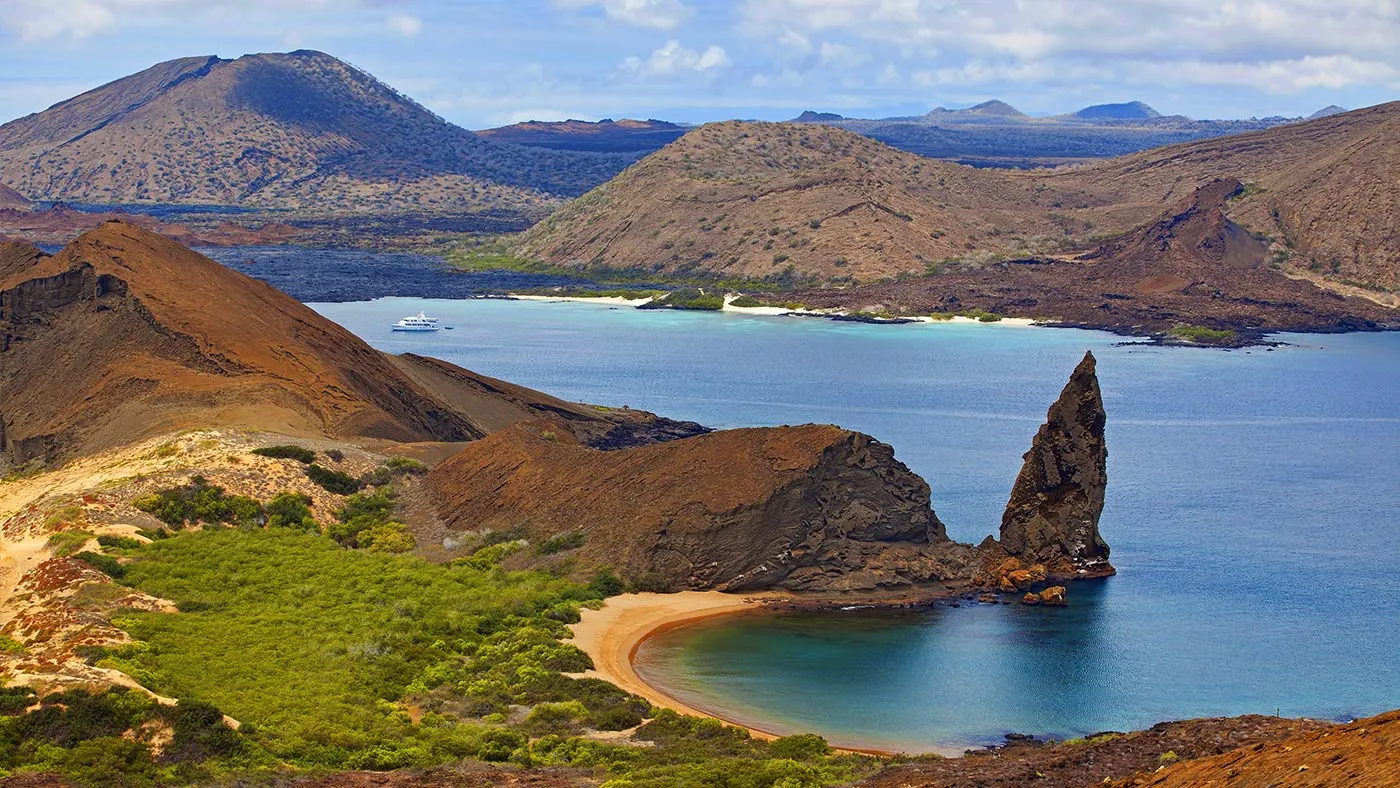
The landscapes of the Galápagos Islands are stark, dramatic, and unlike anywhere else. Active and dormant volcanoes dominate several islands, particularly Isabela and Fernandina, where vast lava fields stretch toward the sea. These volcanic formations create surreal scenery shaped by fire and time.

White coral beaches contrast sharply with black volcanic sand shores, while mangroves, cactus forests, and highland greenery add further diversity. Sites such as Sierra Negra Volcano and Bartolomé Island provide panoramic views of the archipelago’s geological complexity and untouched beauty.


Wildlife Found Nowhere Else on Earth

The Galápagos Islands are best known for their fearless and unique wildlife. Animals here evolved without natural predators, allowing visitors to observe them up close in their natural habitats. Iconic species include giant tortoises, marine iguanas, blue-footed boobies, and Darwin’s finches.

Marine life is equally impressive. Snorkelers and divers encounter sea lions, sea turtles, reef sharks, rays, and colorful fish in crystal-clear waters. The islands’ biodiversity makes them one of the most important wildlife destinations in the world and a living classroom for ecological study.


History and Scientific Importance

The Galápagos Islands gained global recognition in 1835 when Charles Darwin visited during his voyage aboard the HMS Beagle. His observations of the islands’ wildlife, particularly the finches, contributed significantly to the development of his theory of natural selection.

Today, the islands continue to attract scientists and researchers from around the world. Conservation research, climate studies, and marine biology projects play a vital role in understanding global environmental changes and protecting fragile ecosystems.


Conservation and Sustainable Tourism

Strict conservation measures define tourism in the Galápagos Islands. Approximately 97% of the land area is protected as a national park, and visitor numbers are carefully regulated. Travelers must follow strict guidelines, including staying on designated trails and traveling with licensed guides.

Sustainable tourism supports conservation efforts while providing economic benefits to local communities. Eco-friendly cruises, regulated diving activities, and conservation-focused education ensure that tourism helps preserve the islands rather than harm them.


Best Time to Visit the Galápagos Islands

The Galápagos Islands can be visited year-round, as each season offers unique wildlife experiences. The warm season from December to May brings calmer seas and excellent snorkeling conditions, while the cooler season from June to November is ideal for observing marine life and bird activity.

Wildlife encounters remain consistent throughout the year, making the Galápagos a destination driven more by nature than seasonal tourism trends.


How to Get Around

Travel to the Galápagos Islands begins with a flight from mainland Ecuador, typically from Quito or Guayaquil, to one of the main island airports. Inter-island travel is primarily done via guided cruises or regulated boat services.

Within inhabited islands, transportation includes small buses, taxis, and boats. Guided tours are mandatory in many protected areas to ensure environmental protection and visitor safety.


Why the Galápagos Islands Belong on Your Travel Bucket List

The Galápagos Islands offer an experience unlike any other destination on Earth. Few places allow travelers to witness evolution in action while contributing to conservation efforts. The islands inspire a deep appreciation for nature, biodiversity, and responsible travel.

For wildlife enthusiasts, nature lovers, and curious explorers, the Galápagos represent one of the most meaningful journeys possible.


Conclusion

The Galápagos Islands stand as a powerful reminder of nature’s resilience and fragility. Shaped by volcanic forces and isolated by vast oceans, this remarkable archipelago has become a sanctuary for life found nowhere else on Earth. Visiting the Galápagos is more than a trip—it is an encounter with the foundations of life itself, leaving travelers with lasting awe and a renewed respect for the natural world.

00 Comments

No comments yet.

Leave a Comment

We are offering for you

Featured Articles

Niagara Falls

Niagara Falls is one of the most popular tourist destinations in North America. Every year, millions of people visit Niagara Falls to see the amazing sights and experience the natural wonders of this world-famous destination.

The History of Niagara Falls

Niagara Falls has been a tourist destination for centuries. The first person to visit Niagara Falls was Father Louis Hennepin, a French missionary, in 1678. He wrote about the beauty of the falls, which attracted other European explorers and settlers to the area.

In the early 19th century, Niagara Falls became a popular honeymoon destination for American couples. The popularity of the falls as a tourist destination grew throughout the 19th and 20th centuries. Today Niagara Falls is one of the most popular tourist destinations, attracting millions of visitors each year.

The Different Views of Niagara Falls

There are three different ways to view Niagara Falls: from the Canadian side, from the American side, and from above.

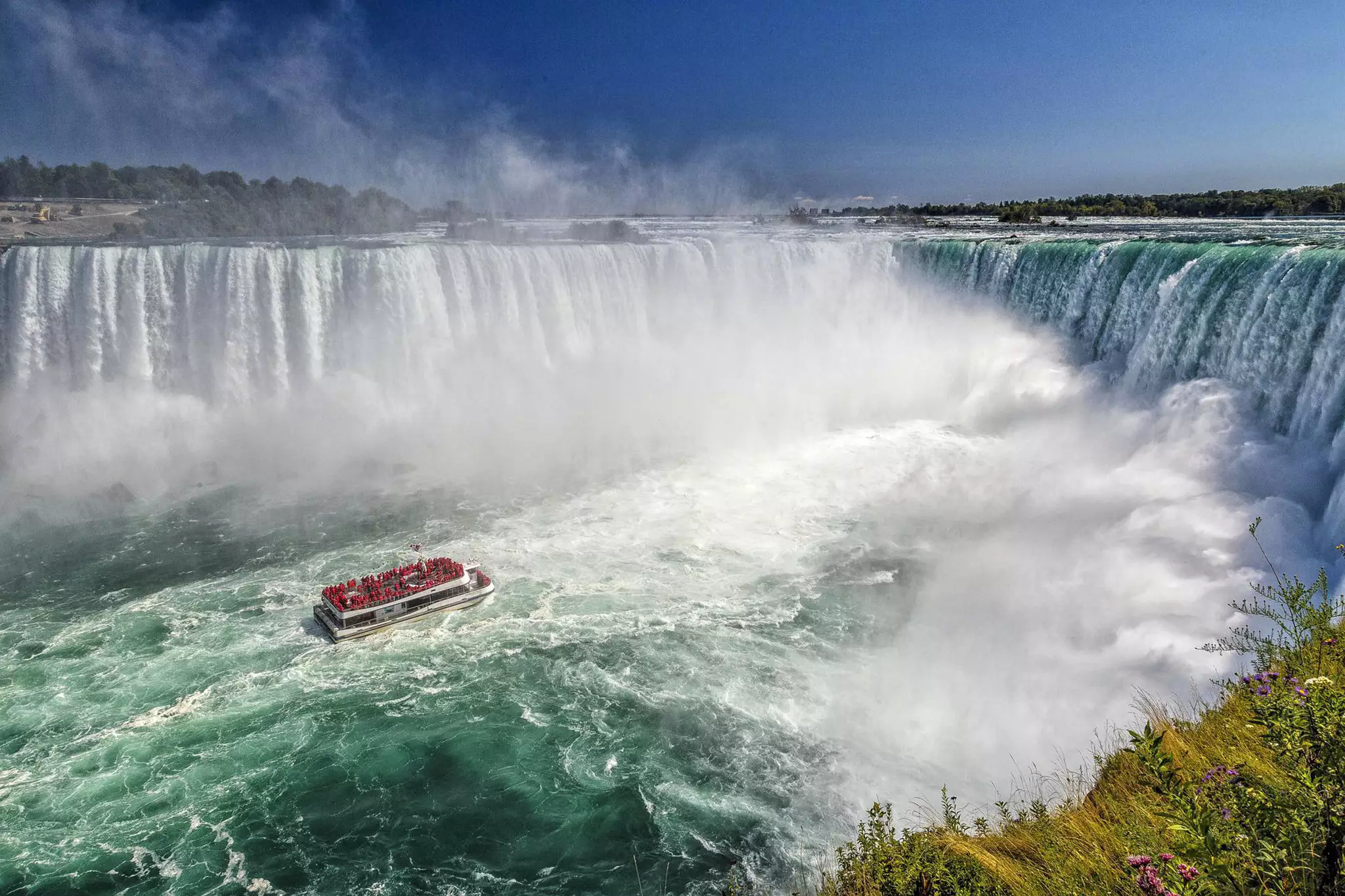
·        The Canadian side offers the best views of Niagara Falls. There are several observation decks, viewing areas, and a boardwalk that takes you right to the edge of the falls. You can also take a ride on the Maid of the Mist boat tour, which gets you up close and personal with the falls.

·        The American side offers different views of Niagara Falls than what you will see from the Canadian side. The most popular spot to view Niagara Falls on the American side is Goat Island, where you can walk out to the edge of Horseshoe Falls. Another great spot for views is Prospect Point Park, where you can get a bird’s eye view of all three waterfalls.

·        For something truly unique, take a trip aboard the Niagara Gorge Railway and enjoy panoramic views of Niagara Falls from above. It is a great way to see all three waterfalls at once and get an idea of how massive they are.

The Edge of the Niagara Falls

The edge of the falls is the best place to see the power of the water as it tumbles over the precipice. Several observation decks along the Niagara Gorge offer breathtaking views of the falls. The Rainbow Bridge, which spans the gorge just upstream from the falls, is a popular spot for picture-taking and boasts an up-close view of both the American and Horseshoe Falls.

Daredevils of Niagara Falls

Since the early days of Niagara Falls, people have been drawn to its raw power and beauty. Over the years, many have attempted to conquer the falls, often with tragic results. Here are some of the most famous (or infamous) daredevils who have taken on Niagara Falls:

·        Annie Edson Taylor was the first person to go over Niagara Falls in a barrel. She did it on her 63rd birthday in 1901 to achieve fame and fortune. Thankfully, she survived the stunt and lived to tell the tale.

·        Bobby Leach was the second person to went over Niagara Falls in a barrel. He did it in 1911 and also survived. Later he performed other stunts, including walking across a tightrope stretched over the falls.

·        Charles Stephens attempted to go over Niagara Falls in a barrel in 1920 but died during the attempt. His body is still missing.

·        Red Hill Sr., along with his son Red Hill Jr., became the first (and only) father and son duet, who went over Niagara Falls together in a barrel. They did it in 1951, and both survived.

·        Nik Wallenda became the first person to walk across Niagara Falls on a tightrope in 2012. He completed the stunt, which was televised live around the world.

How to get to Niagara Falls

Niagara Falls are located on the border between the United States and Canada, so there are a few different ways to reach them depending on your location.

If you are coming from the United States, the easiest way to get to Niagara Falls is by car. Several highways lead right to the falls, and once you cross the border into Canada, signs will point you in the right direction.

If you are coming from Toronto or another Canadian city, you can take a bus or train to Niagara Falls.

Once you arrive in Niagara Falls, there are plenty of ways to get up close and personal with the falls.

·        You can walk along the edges of the waterfall.

·        You can ride an elevator to the top of one of the falls for an incredible view.

·        You can also take a boat tour that takes you right into the spray of the falls.

Travel Guide for Niagara Falls

While planning a trip to Niagara Falls, there are a few things to know before visiting. Here is a travel guide for sightseers that will help you make the most of your trip:

When to Visit: The best time to visit Niagara Falls is during the summer season when the weather is warm and sunny. However, keep in mind that June through August are also the busiest months at Niagara Falls, so expect large crowds. If you want to avoid the crowds, plan your trip for September or October when the weather is still pleasant.

What to See: There is more to see at Niagara Falls than just the falls themselves. Be sure to take a ride on the Maid of the Mist boat tour for an up-close look at the powerful falls, and do not forget to visit Goat Island for some fantastic views. For something truly unique, check out 'Journey Behind the Falls', where you can stand inside a cave behind the raging waters of Horseshoe Falls.

What to Do: Other than sightseeing, there are plenty of other activities to enjoy at Niagara Falls. Take a walk along one of the many scenic trails, go whitewater rafting or tubing down the rapids, or take a helicopter.

Where to stay when visiting Niagara Falls

The first question you need to ask when trying to find accommodation in Niagara Falls is, how close to the Falls do you want to be?

If your priority is to walk out of your door and see the Falls, then you can stay in hotels like the Niagara Falls Marriott or the Sheraton on the Falls. Both of these come with a high price tag, so if you are looking for something more budget-friendly, there are plenty of other hotels located a little further away from the Falls. These hotels will still give you easy access to all the main attractions.

If you are hoping to do some wine touring, then it might be worth considering staying in Niagara-on-the-Lake. This quaint town, situated right in the middle of Ontario's wine country, offers visitors plenty of options for day trips and activities. There are also several good restaurants and cafes, as well as several bed and breakfasts if you are looking for a more intimate accommodation option.

No matter where you choose to stay, there is no doubt that Niagara Falls is an incredible destination that will leave you with memories to last a lifetime.

Conclusion

Niagara Falls is one of the world's most famous natural wonders and a must-see for any traveler. With its three massive waterfalls, Niagara Falls is one of the most famous waterfalls in the world to be visited once in a lifetime. This travel guide will help you make the most of your visit to Niagara Falls, from where to stay and what to do, to how to best experience this natural wonder. So start planning your trip to Niagara Falls today.