

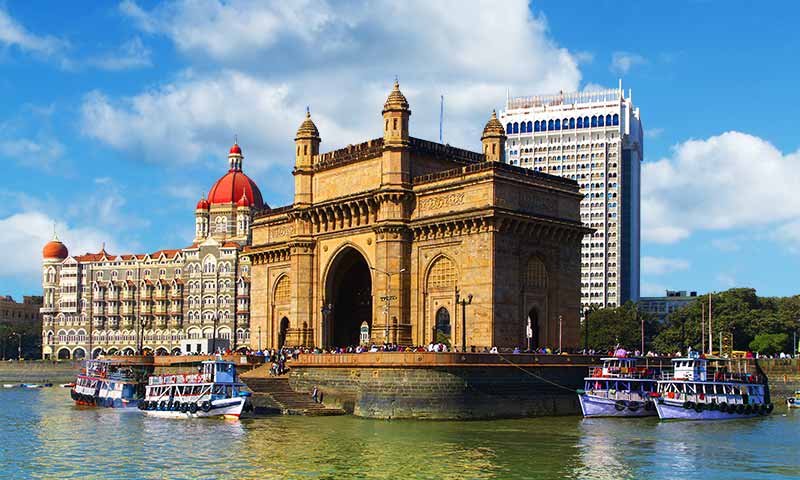
Gateway Of India
The Gateway of India is an architectural masterpiece in Mumbai, India, and one of the city's most popular tourist sites. It was created in 1924 during the British colonial era to commemorate King George V and Queen Mary's visit to India. Scottish architect George Wittet designed the building, which combines Hindu and Muslim architectural styles.
The Gateway of India is one of Mumbai's most famous sights and has come to be associated with the city over time. It is a masterpiece of architecture and a sight to behold thanks to its striking arch, imposing height, and detailed carvings. Take a leisurely tour around the monument to take in its magnificent design and the expansive vistas of the Arabian Sea.
The Gateway of India's history, architecture, and significance will all be covered in this article, along with some of the main sights and things to do for tourists who want to explore this famous Mumbai landmark.
What Is The Gateway Of India Known For?
The Gateway of India is a well-known landmark in Mumbai, India. It is renowned for its historical and architectural value, as well as its popularity as a tourist destination. The Gateway of India was constructed during the British colonial period and opened in 1924. It is an outstanding archway composed of yellow basalt and reinforced concrete.
The Gateway of India is known for its historical significance as the ceremonial entrance for British viceroys and governors who arrived in India. Additionally, it holds cultural significance as it is a blend of Hindu and Muslim architectural styles, reflecting the diversity of India. Today, it is a popular tourist destination and a symbol of Mumbai's colonial past.
Are you keen to know about its significance? Here we have mentioned a few of them:
· The Gateway of India was built to commemorate the visit of King George V and Queen Mary to India in 1911.
· It served as the ceremonial entrance for British viceroys and governors who arrived in India.
· The structure is a blend of Hindu and Muslim architectural styles, reflecting the diversity of India.
· The Gateway of India is an important part of Mumbai's heritage and a symbol of the city's colonial past.
· It has become a popular tourist destination and a must-visit attraction in Mumbai, drawing thousands of visitors every year.
What Is The History Of Gateway Of India?
The Gateway of India was a symbolic representation of British colonial power in India. During World War I, the Gateway of India became the departure point for British troops heading to fight in the Middle East. After India gained independence from British rule in 1947, the monument lost its political significance and became a popular tourist attraction.
Today, the Gateway of India is one of the most visited tourist destinations in Mumbai. It is located on the waterfront of Mumbai's harbor and provides a stunning view of the Arabian Sea. Many people visit the monument to take a boat ride around Mumbai's harbor or to simply enjoy the scenic surroundings. It has become a symbol of Mumbai's rich history and culture and is one of the city's most iconic landmarks.
Architecture Of Gateway Of India
The Gateway of India is a magnificent archway constructed of yellow basalt and reinforced concrete. The monument is 26 meters tall and has beautiful carvings and designs. The Gateway of India's design was influenced by a fusion of Hindu and Muslim architectural forms, giving the monument a unique and distinct aspect.
The gateway is framed by two towers, each 23 meters high. The towers are elaborately carved and decorated, containing massive elephant figures. The archway itself is embellished with delicate lattice work, which is a hallmark of Islamic architecture.
The Gateway of India also incorporates various other design features typical of British colonial architecture, such as domes and European architectural components.
Tour Of Gateway Of India
The Gateway of India is one of the most iconic landmarks of Mumbai, India, located on the waterfront of the Arabian Sea in the Colaba district. Here's a tour guide to help you explore this magnificent monument:
Location: The Apollo Bunder in Colaba, South Mumbai, is where you can find the Gateway of India. It is located opposite the Taj Mahal Palace Hotel, another iconic landmark of Mumbai. The monument is easily accessible by various modes of transport, like taxis, buses, and trains.
Views and Photography: The Gateway of India is a popular tourist spot and offers some breathtaking views of the Arabian Sea. Tourists can take a boat ride to get a closer look at the monument or take a leisurely stroll along the waterfront promenade. Also, it is a well-liked location for photography, particularly around sunset.
Nearby Attractions: The Gateway of India is located in close proximity to many other popular attractions of Mumbai, like the Taj Mahal Palace Hotel, the Prince of Wales Museum, and the Elephanta Caves. Planning a day trip allows visitors to explore these attractions.
Shopping and Food: The area around the Gateway of India is also known for its vibrant street shopping and food culture. Visitors can explore the many street vendors selling souvenirs, clothing, and local delicacies like chaat, vada pav, and bhel puri.
In general, everybody travelling to Mumbai should see the Gateway of India. It is a beautiful monument that offers a glimpse into the rich history and culture of the city.
Which Station Is Near To Gateway Of India?
The nearest station to Gateway of India is the Chhatrapati Shivaji Terminus (CST), which is located approximately 2.5 km away. It is the main railway station in Mumbai and is well-connected to various parts of the city.
How To Reach Gateway Of India?
Here are some ways to reach the Gateway of India:
· By Taxi/Cab: You can hire a taxi or cab to reach the Gateway of India from any part of Mumbai. The nearest landmark is the Taj Mahal Palace Hotel. You can ask the driver to drop you at the Gateway of India.
· By Local Train: You can take a local train to Chhatrapati Shivaji Terminus (CST) station or Churchgate station, which are the closest railway stations to the Gateway of India. From there, you can take a taxi or walk to the monument.
· By Bus: Mumbai has a well-connected network of buses that can take you to the Gateway of India. You can look for buses that have a stop near the monument or ask for assistance from the bus conductor.
· By Ferry: You can take a ferry from the nearby Colaba or Elephanta Island to reach the Gateway of India. It's a scenic way to reach the monument and enjoy the view of the Arabian Sea.
Conclusion
Gateway of India is undoubtedly a must-visit tourist attraction in Mumbai. It is a beautiful monument that represents the rich history and culture of India. The architectural marvel is located at a prime location and is easily accessible by various modes of transportation. Visitors can enjoy the stunning view of the Arabian Sea and take a stroll around the monument to explore its beauty. The Gateway of India is a symbol of pride for the people of Mumbai and India and should be on every traveler's itinerary.
00 Comments
No comments yet.
Leave a Comment