

Ghent
Introduction
Often overshadowed by Brussels and Bruges, Ghent is one of Europe’s most captivating yet underrated destinations. Located in northwest Belgium, this vibrant university city seamlessly blends medieval architecture, artistic heritage, and a youthful cultural energy. With its fairy-tale canals, towering church spires, and cobbled streets, Ghent offers a rich historical experience without the overwhelming crowds found in other Belgian hotspots.
Unlike many preserved medieval cities that feel frozen in time, Ghent is alive and dynamic. It combines centuries-old landmarks with modern street art, creative gastronomy, and a thriving student population. For travelers seeking authentic European charm, architectural beauty, and a lively cultural atmosphere, Ghent stands out as Belgium’s hidden medieval gem.
Geography and Environment
Ghent is located in the Flemish region of Belgium, positioned at the confluence of the Scheldt and Lys rivers. Its strategic location historically made it a powerful medieval trading hub, contributing to its prosperity during the Middle Ages.
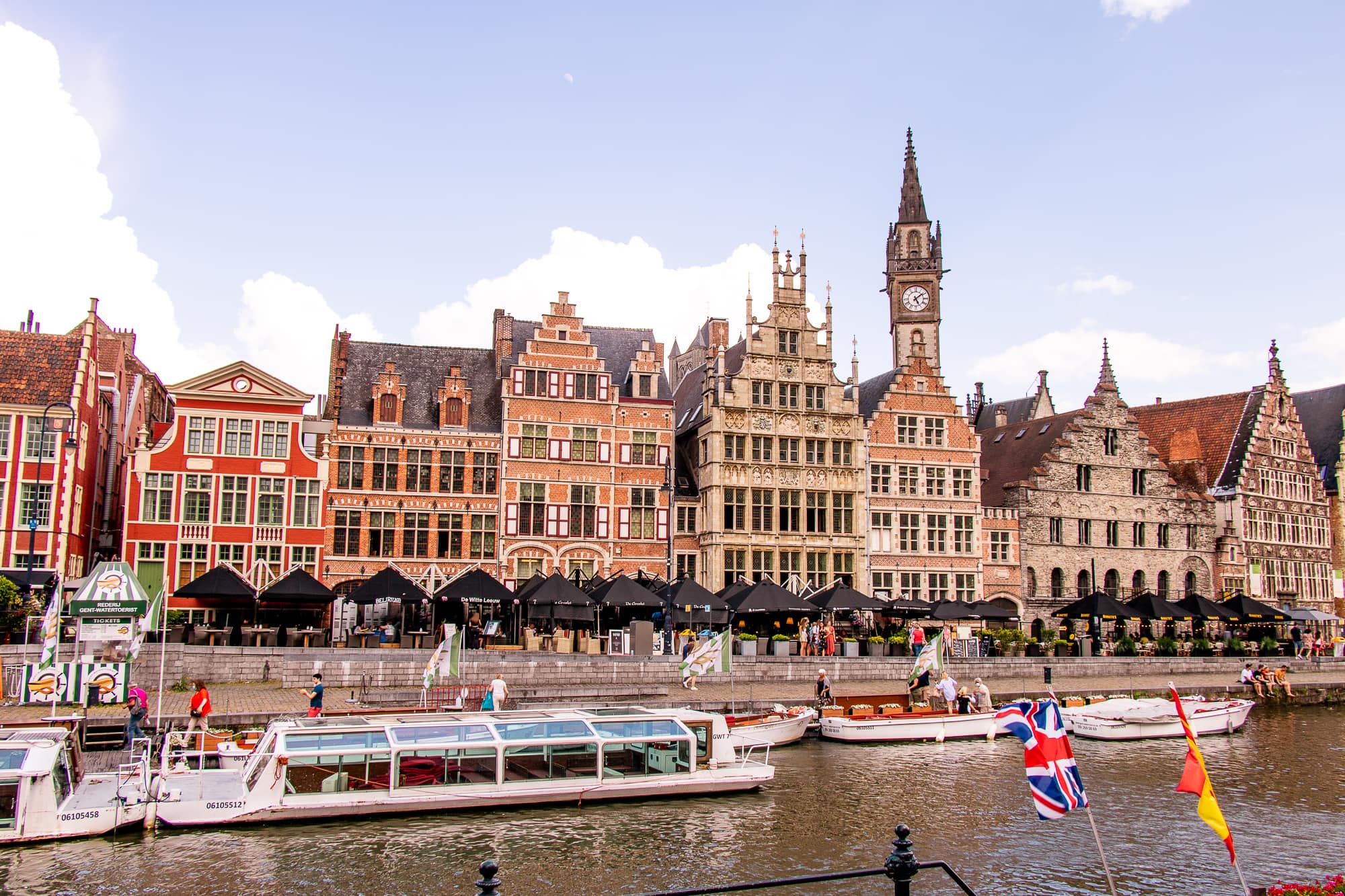
The city’s canal network shapes much of its charm. These waterways reflect historic guild houses and Gothic towers, creating postcard-worthy views at nearly every corner. The relatively flat terrain makes Ghent ideal for walking and cycling, while its green spaces, including Citadel Park, provide tranquil breaks from urban exploration.
Belgium’s temperate maritime climate gives Ghent mild summers and cool winters. The city’s manageable size allows visitors to explore its historical center comfortably on foot while enjoying scenic riverside strolls.
Landscapes and Heritage
The historic heart of Ghent is one of Europe’s best-preserved medieval city centers. Dominating the skyline is Gravensteen, a 12th-century castle that once served as the residence of the Counts of Flanders. Its imposing stone walls and towers offer panoramic views of the city, transporting visitors back to the age of knights and feudal rule.
Nearby stands the magnificent Saint Bavo's Cathedral, a masterpiece of Gothic architecture. Inside the cathedral lies one of the most celebrated artworks of the Northern Renaissance: the Ghent Altarpiece, created by the Van Eyck brothers in 1432. This polyptych painting remains one of Europe’s most significant artistic treasures.
The Graslei and Korenlei quays along the Lys River present a striking collection of guild houses that reflect Ghent’s medieval wealth. At sunset, their reflections shimmer across the water, creating one of Belgium’s most photographed cityscapes.
The Belfry of Ghent, another UNESCO-listed monument, symbolizes the city’s independence and prosperity during the Middle Ages. Together, these landmarks form a cohesive historical landscape that feels immersive rather than staged.
Culture and Local Identity
Ghent has long balanced tradition with innovation. While its architecture speaks of medieval power, its spirit reflects youthful creativity. Home to a major university, the city maintains an energetic and progressive identity.
Festivals play a central role in Ghent’s culture. The Ghent Festival, held every July, transforms the city into a vibrant stage of music, theater, and street performances. Contemporary art exhibitions and alternative cultural spaces coexist with centuries-old churches and museums.
Street art has also become part of Ghent’s urban identity. Werregarenstraat, often referred to as “Graffiti Street,” showcases rotating murals and creative expressions that highlight the city’s modern artistic pulse.
This combination of history and innovation makes Ghent feel authentic and forward-thinking at the same time.
Cuisine and Gastronomy
Ghent’s culinary scene reflects both Flemish traditions and modern sustainability. Classic Belgian dishes such as beef stew (stoofvlees), waterzooi (a creamy chicken or fish stew), and hearty fries are staples in local restaurants.
However, Ghent is also recognized as a pioneer in plant-based dining. The city promotes “Veggie Thursday,” encouraging residents and visitors to explore vegetarian cuisine. As a result, Ghent offers one of Europe’s most diverse selections of vegetarian-friendly restaurants.
Belgium’s world-famous chocolates, waffles, and craft beers are widely available. Local breweries produce distinctive Belgian ales that pair perfectly with traditional dishes. Sampling regional flavors while overlooking a canal or medieval square adds depth to the travel experience.
Sustainability and Urban Innovation
Ghent has positioned itself as a leader in sustainable urban planning. The city center operates as a low-traffic zone, significantly reducing car congestion and improving air quality. Cyclists and pedestrians dominate the streets, reinforcing Ghent’s environmentally conscious approach.
Green initiatives extend beyond transportation. Public awareness campaigns promote sustainable dining, waste reduction, and responsible tourism. By prioritizing livability and ecological balance, Ghent demonstrates how historic cities can adapt to modern environmental challenges.
Visitors benefit from this forward-thinking model, enjoying a cleaner, quieter, and more relaxed urban atmosphere.
Best Time to Visit Ghent
Ghent is a year-round destination, but each season offers distinct advantages.
Spring (April to June) brings mild weather and blooming parks, making it ideal for sightseeing. Summer (July to August) features long daylight hours and lively festivals, though it attracts more visitors.
Autumn (September to October) paints the canals and historic buildings in warm tones, creating a romantic ambiance with fewer crowds. Winter (November to February) transforms Ghent into a cozy destination, especially during the Christmas market season when festive lights illuminate medieval facades.
For balanced weather and manageable crowds, late spring and early autumn are often considered the best times to visit.
Transportation and Accessibility
Ghent is conveniently located between Brussels and Bruges, making it easily accessible by train. Direct trains from Brussels take approximately 30 minutes, making Ghent a popular day-trip destination.
Once in the city, public transport, bicycles, and walking are the primary modes of exploration. The compact historic center ensures that most major attractions are within a short distance of one another.
International travelers typically arrive via Brussels Airport, which connects to Ghent by train in under an hour. This accessibility makes Ghent an easy addition to any European itinerary.
Why Visit Ghent?
Ghent offers the architectural beauty of Bruges with the energy of a university city. It avoids the heavy commercialization found in some tourist hubs while still delivering world-class landmarks and cultural experiences.
Visitors can climb a medieval castle in the morning, admire Renaissance art in the afternoon, and enjoy modern craft beer in the evening—all within walking distance.
Its combination of authenticity, artistic heritage, sustainable living, and vibrant nightlife makes Ghent suitable for history enthusiasts, food lovers, photographers, and culture seekers alike.
For travelers seeking a destination that feels both historic and contemporary, Ghent provides the perfect balance.
Conclusion
Ghent is more than just a stop between Brussels and Bruges—it is a destination in its own right. With its imposing medieval castle, world-renowned artworks, picturesque canals, and innovative sustainability efforts, the city offers a deeply enriching travel experience.
By blending centuries-old architecture with modern creativity and environmental awareness, Ghent stands as one of Europe’s most compelling hidden gems. Whether exploring Gothic cathedrals, savoring Flemish cuisine, or strolling along illuminated canals at night, visitors quickly discover that Ghent captures the essence of Belgian heritage without sacrificing contemporary vibrancy.
For those searching for an authentic European city filled with history, culture, and charm, Ghent deserves a top place on the travel list.

00 Comments
No comments yet.
Leave a Comment