

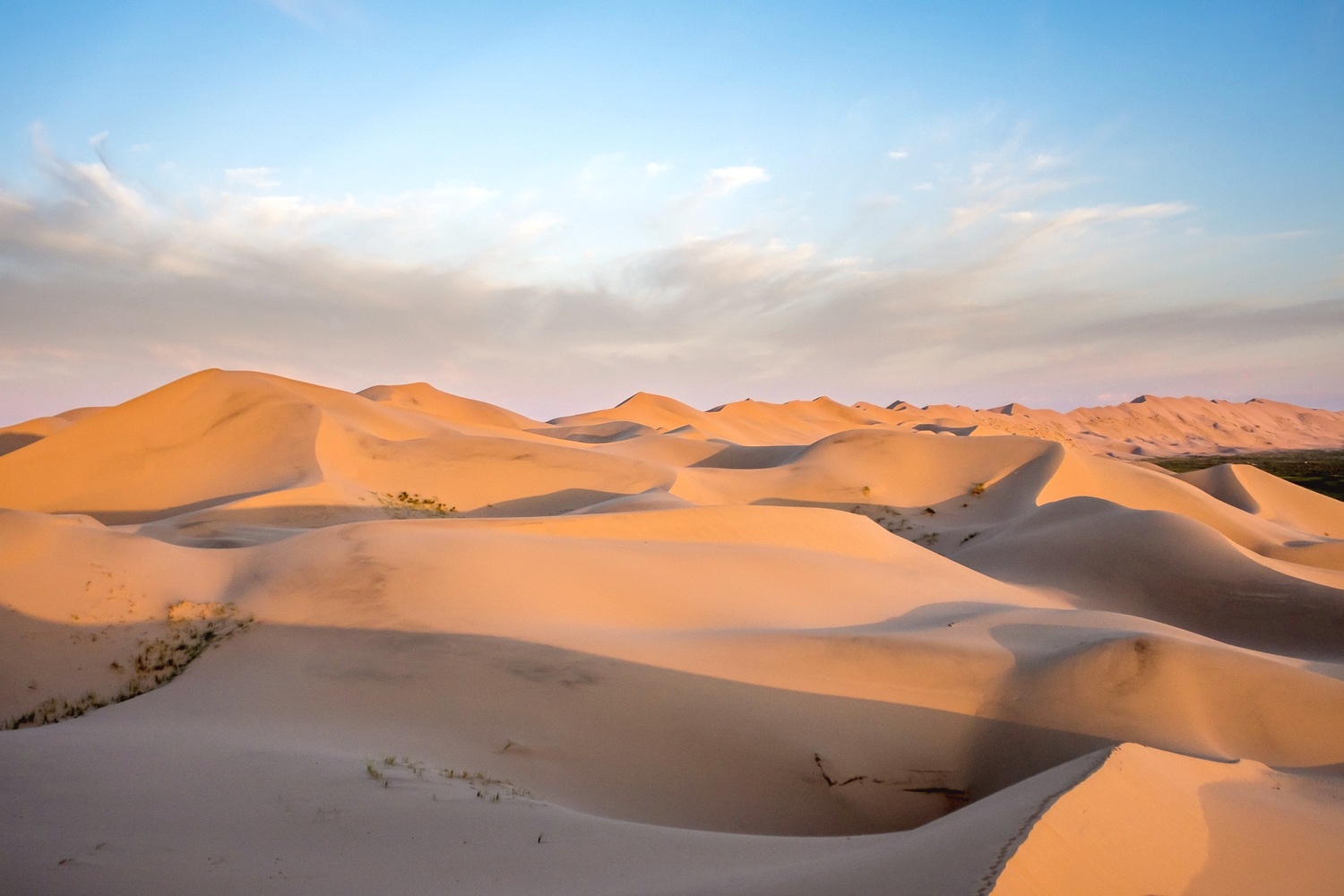
Gobi Desert
Introduction
Stretching across vast landscapes of sand dunes, rocky plains, rugged mountains, and endless horizons, the Gobi Desert is one of the most extraordinary wilderness regions on Earth. Far from being a lifeless sea of sand, this immense desert is a land of dramatic contrasts, ancient history, rare wildlife, and nomadic traditions that have survived for centuries.
Spanning southern Mongolia and northern China, Gobi Desert is the largest desert in Asia and one of the most fascinating landscapes in the world. Known for its harsh climate, dinosaur fossil discoveries, and remote beauty, the Gobi offers travelers a rare chance to experience untouched wilderness on a truly epic scale.
For adventurers, photographers, nature enthusiasts, and cultural explorers, the Gobi Desert delivers a journey unlike anywhere else in Asia.
Geography and Environment
The Gobi Desert covers more than 1.3 million square kilometers across Mongolia and China, making it one of the world’s largest deserts.
Unlike typical deserts dominated entirely by sand, the Gobi is incredibly diverse. Its terrain includes rocky plateaus, gravel plains, mountain ranges, dry valleys, and vast steppe grasslands.
Only a small portion of the Gobi consists of sand dunes, yet those dunes are among the most spectacular in Asia.
The desert experiences an extreme continental climate, with scorching summers, freezing winters, and powerful winds. Temperatures can shift dramatically within a single day, creating one of the harshest living environments on the planet.
Despite these conditions, the Gobi supports unique ecosystems and ancient human traditions that have adapted to its challenging environment.
Endless Landscapes and Natural Wonders
One of the most striking features of the Gobi Desert is its immense sense of space and isolation.
The horizon often appears endless, with vast open landscapes stretching far beyond sight. Travelers can drive for hours without encountering another settlement, creating a powerful feeling of solitude and freedom.
Among the desert’s most famous attractions are the Khongoryn Els, also known as the Singing Dunes. These enormous sand dunes can reach heights of over 300 meters and produce deep humming sounds when wind moves across the sand.
Another extraordinary site is Bayanzag, commonly called the Flaming Cliffs. These red sandstone formations glow brilliantly at sunset and became world-famous for the discovery of dinosaur fossils and eggs.
The desert is also home to dramatic canyons, salt flats, rocky mountains, and hidden oases that reveal the surprising diversity of the Gobi landscape.
Dinosaur Fossils and Ancient History
The Gobi Desert holds enormous scientific importance due to its rich fossil discoveries.
During the 1920s, explorers uncovered some of the world’s first dinosaur eggs at Bayanzag, revolutionizing paleontology and changing scientific understanding of prehistoric life.
Numerous dinosaur species, including velociraptors and giant herbivores, once roamed this region millions of years ago.
Today, the Gobi remains one of the most important dinosaur fossil sites on Earth, attracting scientists and researchers from around the world.
The desert’s ancient history extends beyond fossils. For centuries, the Gobi formed part of the legendary Silk Road trade network connecting Asia and Europe.
Caravans carrying silk, spices, and precious goods once crossed these harsh landscapes, making the desert an important historical crossroads of civilizations.
Nomadic Culture and Traditional Life
One of the most fascinating aspects of the Gobi Desert is its enduring nomadic culture.
For generations, Mongolian nomads have survived in this extreme environment through herding camels, goats, sheep, and horses.
Traditional portable homes known as Ger dot the desert landscape, offering shelter against harsh weather conditions.
Hospitality is deeply rooted in Mongolian culture, and travelers are often welcomed into family camps to experience traditional food, music, and daily life.
The nomadic lifestyle remains closely connected to nature and seasonal migration patterns, preserving ancient traditions that have existed for centuries.
This cultural richness adds a deeply human dimension to the vast wilderness of the Gobi.
Wildlife and Desert Ecosystem
Despite its harsh climate, the Gobi Desert supports remarkable biodiversity.
Rare and endangered animals such as the Snow Leopard, Bactrian Camel, and the critically endangered Gobi Bear inhabit remote areas of the desert.
The desert’s ecosystems also support gazelles, wolves, wild asses, birds of prey, and numerous reptiles.
Protected areas such as Gobi Gurvansaikhan National Park help preserve these fragile habitats and wildlife populations.
The resilience of life in such extreme conditions highlights the ecological importance of the Gobi Desert.
Adventure and Exploration
The Gobi Desert is one of Asia’s ultimate adventure destinations.
Travelers can ride camels across towering dunes, camp beneath star-filled skies, and explore remote valleys untouched by modern development.
Off-road expeditions through the desert offer dramatic scenery and a true sense of exploration rarely found elsewhere.
Photography opportunities are endless, especially during sunrise and sunset when the desert glows in shades of gold, red, and orange.
The silence and vastness of the landscape create an atmosphere of peace and awe that leaves a lasting impression on visitors.
Sustainability and Conservation
The fragile ecosystems of the Gobi Desert face environmental pressures linked to climate change, mining, and desertification.
Conservation programs aim to protect endangered wildlife, preserve water resources, and support sustainable tourism.
Eco-tourism initiatives increasingly involve local nomadic communities, helping create economic opportunities while maintaining traditional lifestyles.
Visitors are encouraged to travel responsibly, minimize waste, and respect local customs and wildlife habitats.
Protecting the Gobi’s unique natural and cultural heritage is essential for future generations.
Best Time to Visit the Gobi Desert
The best time to visit the Gobi Desert is during spring and autumn, when temperatures are more moderate and travel conditions are comfortable.
Summer can become extremely hot, while winters are bitterly cold with snow and strong winds.
Spring often brings dramatic landscapes and active wildlife, while autumn offers clear skies and beautiful desert colors.
Each season reveals a different side of the Gobi’s character and beauty.
Transport and Accessibility
Most travelers begin their journey to the Gobi Desert from Ulaanbaatar, Mongolia’s capital.
The desert can be reached by domestic flights, long-distance drives, or guided overland tours.
Because of the region’s remoteness and limited infrastructure, guided tours are often the best way to safely explore the area.
Travel across the Gobi frequently involves rugged off-road routes, adding to the sense of adventure and isolation.
Why Visit the Gobi Desert?
The Gobi Desert offers one of the most unique travel experiences in the world. Its endless landscapes, dinosaur history, rare wildlife, and ancient nomadic traditions create a destination filled with wonder and discovery.
Visitors can experience untouched wilderness, sleep beneath some of the clearest night skies on Earth, and connect with one of Asia’s oldest surviving cultures.
For adventurers and travelers seeking remote beauty and authentic experiences, the Gobi Desert is truly unforgettable.
Conclusion
The Gobi Desert stands as one of Asia’s greatest natural treasures. From towering sand dunes and flaming cliffs to ancient fossils and nomadic traditions, the desert offers a journey into a world shaped by time, survival, and endless horizons.
Far from crowded cities and modern distractions, the Gobi provides a rare opportunity to experience pure wilderness and cultural authenticity.
For those willing to venture into Mongolia’s vast desert frontier, the Gobi Desert promises an unforgettable adventure through one of the planet’s most extraordinary landscapes.
00 Comments
No comments yet.
Leave a Comment