

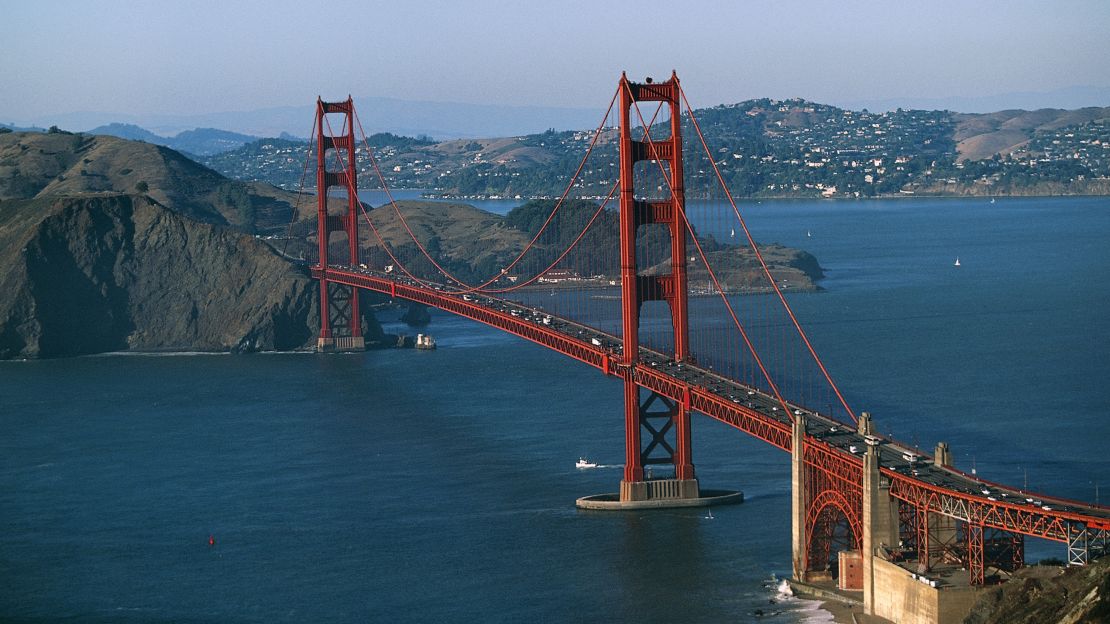
Golden Gate Bridge
Introduction
The Golden Gate Bridge is one of the most recognizable landmarks in the world and a powerful symbol of the United States. Located in San Francisco, California, this iconic suspension bridge spans the Golden Gate Strait, connecting the city of San Francisco to Marin County. Known for its striking International Orange color, elegant design, and dramatic setting, the Golden Gate Bridge attracts millions of visitors each year.
More than just a transportation route, the Golden Gate Bridge represents human creativity, engineering excellence, and determination. Since its completion in 1937, it has played a vital role in regional development while becoming a global cultural icon. This article explores the geography, main features, engineering significance, historical importance, challenges, and conservation efforts related to the Golden Gate Bridge.
Geography and Location
The Golden Gate Bridge stretches across the Golden Gate Strait, a narrow channel that connects San Francisco Bay to the Pacific Ocean. The bridge links the city of San Francisco on the southern side to Marin County on the northern side. The strait is known for strong tides, deep waters, powerful winds, and frequent fog, which made construction extremely challenging.
The surrounding landscape adds to the bridge’s beauty. To the south lies the urban skyline of San Francisco, while to the north are the rolling hills of Marin Headlands. The bridge is often surrounded by fog, creating dramatic views that have inspired artists, photographers, and filmmakers from around the world.
Main Features of the Golden Gate Bridge
Bridge Design and Structure
The Golden Gate Bridge is a suspension bridge with a main span of 1,280 meters, making it one of the longest suspension bridges in the world at the time of its completion. The bridge has two tall towers that rise above the water and support thick steel cables, which carry the weight of the roadway.
The bridge’s International Orange color was chosen to improve visibility in foggy conditions and to complement the natural surroundings. The color has since become one of its most distinctive features.
Pedestrian and Viewing Areas
The bridge includes sidewalks for pedestrians and cyclists, allowing visitors to walk or ride across while enjoying panoramic views of the bay, ocean, and city. Viewing points on both sides of the bridge offer excellent photo opportunities and educational displays.
Engineering and Architectural Significance
The construction of the Golden Gate Bridge was considered an extraordinary engineering achievement. Built during the Great Depression, the project provided jobs to thousands of workers and demonstrated innovation under difficult economic conditions.
Chief engineer Joseph Strauss led the project, supported by a team of skilled engineers and architects. Advanced safety measures, including a safety net beneath the bridge, saved many lives and set new standards for construction safety. The bridge was designed to withstand strong winds, earthquakes, and heavy traffic, making it both strong and flexible.
Historical Importance
Before the bridge was built, ferries were the primary way to cross the Golden Gate Strait. The completion of the bridge in 1937 transformed transportation in the region, reducing travel time and encouraging economic growth in northern California.
The Golden Gate Bridge quickly became a symbol of progress and innovation. It has appeared in countless films, books, and artworks, representing San Francisco and American engineering excellence. Over time, it has also become a site of major historical events, celebrations, and public gatherings.
Importance of the Golden Gate Bridge
Economic Importance
The bridge plays a crucial role in supporting trade, tourism, and daily commuting. It carries millions of vehicles each year, connecting communities and supporting the regional economy. Tourism related to the bridge also generates significant revenue for San Francisco.
Cultural and Social Importance
As a global landmark, the Golden Gate Bridge holds cultural significance beyond its practical function. It represents freedom, creativity, and resilience. For many visitors, seeing the bridge in person is a memorable and inspiring experience.
Threats and Challenges
Despite its strength, the Golden Gate Bridge faces several challenges:
• Earthquakes – The bridge lies near major fault lines and requires constant seismic upgrades.
• Weather Conditions – Fog, saltwater, and strong winds contribute to corrosion.
• Aging Infrastructure – Continuous maintenance is needed to preserve structural integrity.
• High Traffic Volume – Heavy use increases wear and tear over time.
Addressing these challenges is essential to ensure the bridge’s long-term safety.
Conservation and Maintenance Efforts
The Golden Gate Bridge is carefully maintained by a dedicated management authority. Key efforts include:
• Regular inspections and structural monitoring
• Ongoing seismic retrofitting to improve earthquake resistance
• Continuous painting and corrosion control
• Traffic management systems to reduce congestion
• Educational programs about bridge history and safety
These measures help protect the bridge while allowing it to function as a major transportation route.
Why the Golden Gate Bridge Is Popular
The Golden Gate Bridge remains one of the world’s most visited landmarks because of:
- Iconic Design – A visually striking and elegant structure
- Engineering Excellence – A triumph of modern engineering
- Scenic Location – Stunning views of ocean, bay, and city
- Cultural Symbolism – A representation of innovation and resilience
- Visitor Accessibility – Walkways and viewing areas for the public
Conclusion
The Golden Gate Bridge is more than a bridge; it is a masterpiece of engineering, a symbol of human achievement, and a defining feature of San Francisco. Its impressive design, historical significance, and cultural impact make it one of the most admired structures in the world.
Through ongoing maintenance, conservation, and innovation, the Golden Gate Bridge continues to serve millions of people while inspiring generations. It stands as a lasting reminder of how vision, creativity, and determination can transform challenges into enduring landmarks.
00 Comments
No comments yet.
Leave a Comment