

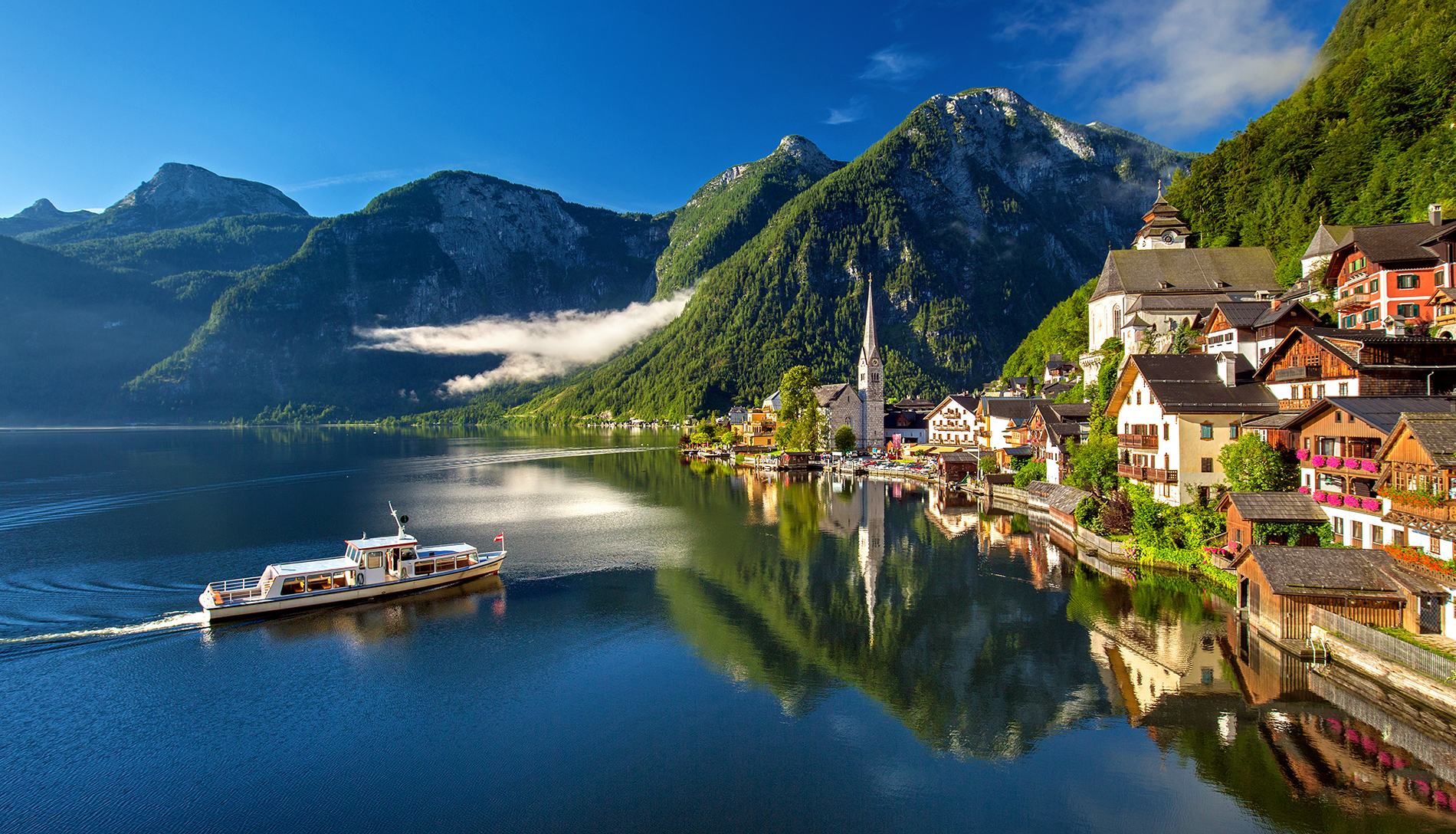
Hallstatt
Introduction
Nestled between towering Alpine mountains and the tranquil waters of Lake Hallstatt, the picturesque village of Hallstatt is often described as one of the most beautiful places in Europe. Located in the Salzkammergut region of Austria, this tiny lakeside settlement captivates travelers with its colorful houses, dramatic landscapes, and centuries-old traditions.
Despite its small size, Hallstatt holds immense historical and cultural significance. The village is part of the Hallstatt-Dachstein/Salzkammergut Cultural Landscape, a UNESCO World Heritage Site recognized for its exceptional natural beauty and ancient salt-mining heritage. Its story stretches back thousands of years, making it one of Europe’s oldest continuously inhabited communities.
Today, Hallstatt attracts visitors from around the world who come to experience its fairytale charm, explore its Alpine surroundings, and discover a place where nature, history, and tradition exist in perfect harmony.
Geography and Environment
Hallstatt lies in the Austrian state of Upper Austria, nestled along the western shore of the serene Hallstätter See. The village is surrounded by steep mountain slopes of the Dachstein Alps, creating a dramatic setting that feels both secluded and magical.
The region is known for its pristine Alpine environment. Dense forests, crystal-clear lakes, and rugged peaks dominate the landscape, offering breathtaking scenery in every direction. The lake itself reflects the surrounding mountains and colorful houses, creating the iconic images that have made Hallstatt famous worldwide.
Hallstatt experiences a typical Alpine climate with cool summers and snowy winters. During warmer months, lush greenery blankets the mountainsides, while winter transforms the village into a snowy wonderland. The seasonal changes bring new colors and atmospheres, making Hallstatt beautiful throughout the year.
Landscapes and Heritage
The architectural beauty of Hallstatt is defined by its pastel-colored houses stacked along the narrow lakeshore and climbing the mountainside. Wooden balconies overflowing with flowers add charm to the village streets, while the quiet lake provides a peaceful backdrop.
One of the most iconic viewpoints is the Hallstatt Skywalk, which rises 350 meters above the village. From this platform, visitors can enjoy panoramic views of the lake, village rooftops, and surrounding Alpine peaks.
Hallstatt’s historical importance comes largely from its ancient salt mines. The Salzwelten Hallstatt is one of the oldest known salt mining sites in the world, with evidence of activity dating back over 7,000 years. Salt was once so valuable that it earned the nickname “white gold,” and it played a crucial role in the village’s prosperity.
The historic market square, Marktplatz, forms the heart of the village. Surrounded by traditional Alpine houses, this small square serves as a gathering place for both locals and visitors.
Cultural Identity and Local Traditions
Hallstatt’s cultural identity is deeply rooted in its mining heritage and Alpine traditions. For centuries, salt mining shaped the village’s economy and daily life. Archaeological discoveries from the surrounding region even led to the naming of the Hallstatt Culture, a significant early Iron Age civilization in Europe.
Today, local traditions remain strong. Seasonal festivals, folk music, and traditional Austrian clothing continue to be part of community life. The village church, perched above the lake, stands as a symbol of Hallstatt’s spiritual and cultural heritage.
One unusual but fascinating landmark is the Hallstatt Bone House, located in St. Michael’s Chapel. Due to limited burial space in the village cemetery, bones were historically exhumed and preserved, many decorated with names and floral designs.
These unique customs reflect the village’s long history and its adaptation to life in a confined Alpine environment.
Cuisine and Culinary Experiences
Hallstatt’s cuisine reflects traditional Austrian flavors influenced by Alpine ingredients and regional specialties. Fresh fish from Lake Hallstatt is a highlight of local menus, often served grilled or smoked.
Classic Austrian dishes such as schnitzel, dumplings, and hearty soups are widely available in the village’s cozy restaurants. Many establishments emphasize seasonal and locally sourced ingredients.
Desserts also play an important role in Austrian culinary culture. Apple strudel, Kaiserschmarrn (a fluffy shredded pancake), and traditional pastries are popular choices after a hearty meal.
Dining in Hallstatt often includes stunning lake views, turning every meal into a memorable experience. Lakeside cafés and terrace restaurants provide the perfect setting to enjoy local cuisine while taking in the surrounding Alpine scenery.
Adventure and Outdoor Activities
Despite its small size, Hallstatt offers numerous outdoor activities for nature lovers and adventure seekers. During summer, the calm waters of Lake Hallstatt are ideal for boat rides, kayaking, and swimming. Cycling paths and hiking trails lead through forests and along scenic mountain routes.
One of the most popular excursions is visiting the Dachstein Ice Caves and Mammoth Cave, located high in the surrounding mountains. These natural wonders showcase dramatic ice formations and vast underground chambers.
Hiking in the Dachstein region provides breathtaking views of glaciers, alpine meadows, and distant peaks. Trails range from leisurely lakeside walks to challenging mountain treks.
Winter brings opportunities for skiing and snowboarding in nearby resorts. Snow-covered landscapes create a magical atmosphere that enhances the village’s fairytale charm.
Sustainability and Responsible Tourism
As Hallstatt’s global popularity has grown, sustainability has become a major focus for local authorities. The village has implemented visitor management strategies to protect its fragile environment and maintain quality of life for residents.
Efforts include promoting off-season travel, improving public transportation, and encouraging responsible tourism practices. Visitors are asked to respect local customs, reduce waste, and preserve the natural beauty of the region.
The surrounding Salzkammergut area also emphasizes conservation of lakes, forests, and wildlife habitats. These initiatives help ensure that Hallstatt’s unique cultural landscape remains preserved for future generations.
Best Time to Visit Hallstatt
Hallstatt is a year-round destination, with each season offering a different atmosphere.
Spring (April to June) brings blooming flowers and pleasant temperatures, making it ideal for exploring the village and surrounding trails.
Summer (July to August) offers warm weather perfect for lake activities, though it is the busiest tourist season.
Autumn (September to October) is particularly beautiful, with colorful foliage covering the mountains and fewer visitors.
Winter (December to February) transforms Hallstatt into a snow-covered Alpine village, creating a magical setting reminiscent of a Christmas postcard.
For those seeking a quieter experience, early morning or evening visits provide the most peaceful moments.
Transport and Accessibility
Despite its remote Alpine location, Hallstatt is relatively easy to reach. The nearest major city is Salzburg, located about 70 kilometers away. Travelers can reach Hallstatt by train, bus, or car from Salzburg or Vienna.
One unique aspect of visiting Hallstatt is the ferry crossing from the train station on the opposite side of the lake. This short boat ride offers a scenic introduction to the village, with the famous lakeside view gradually coming into sight.
Once inside the village, most areas are pedestrian-only, making walking the best way to explore its narrow streets and hidden corners.
Why Visit Hallstatt?
Hallstatt stands out as one of Europe’s most visually stunning destinations. Its harmonious blend of Alpine landscapes, historic architecture, and peaceful lake views creates an unforgettable atmosphere.
Unlike large cities, Hallstatt offers a slower pace of travel where visitors can truly appreciate nature and heritage. The village invites travelers to wander its streets, enjoy lakeside sunsets, and connect with centuries-old traditions.
Its combination of natural beauty, cultural significance, and timeless charm makes Hallstatt a must-visit destination for anyone exploring Austria or the Alpine region.
Conclusion
Hallstatt is more than just a picturesque village—it is a living cultural landscape shaped by thousands of years of history. From its ancient salt mines to its colorful lakeside houses, every corner of the village reflects a deep connection between people and the natural environment.
Surrounded by the majestic Dachstein Alps and mirrored in the tranquil waters of Lake Hallstatt, the village offers an experience that feels both peaceful and unforgettable. Whether visiting for its history, scenery, or cultural traditions, travelers quickly understand why Hallstatt has become one of the world’s most admired Alpine destinations.
For those seeking a fairytale escape in the heart of Austria, Hallstatt truly represents the magic of the Alps.
00 Comments
No comments yet.
Leave a Comment