

Isle of Skye
Introduction
Off the rugged west coast of Scotland lies a place where dramatic mountains rise from the sea, waterfalls tumble down ancient cliffs, and myths seem to linger in the misty air. Welcome to the Isle of Skye—one of the most breathtaking and mystical destinations in the United Kingdom.
Known as the “Land of Misty Mountains and Legends,” Isle of Skye is famous for its wild landscapes, medieval castles, picturesque villages, and deep-rooted Gaelic heritage. The island’s rugged beauty has inspired poets, filmmakers, photographers, and travelers for generations.
From towering rock formations and hidden fairy pools to windswept coastlines and ancient legends, the Isle of Skye offers an unforgettable journey into the heart of Scotland’s natural and cultural heritage.
Geography and Environment
The Isle of Skye is the largest island in Scotland’s Inner Hebrides archipelago and is connected to mainland Scotland by the Skye Bridge.
The island is renowned for its dramatic geography, shaped over millions of years by volcanic activity, glaciers, and powerful Atlantic weather systems.
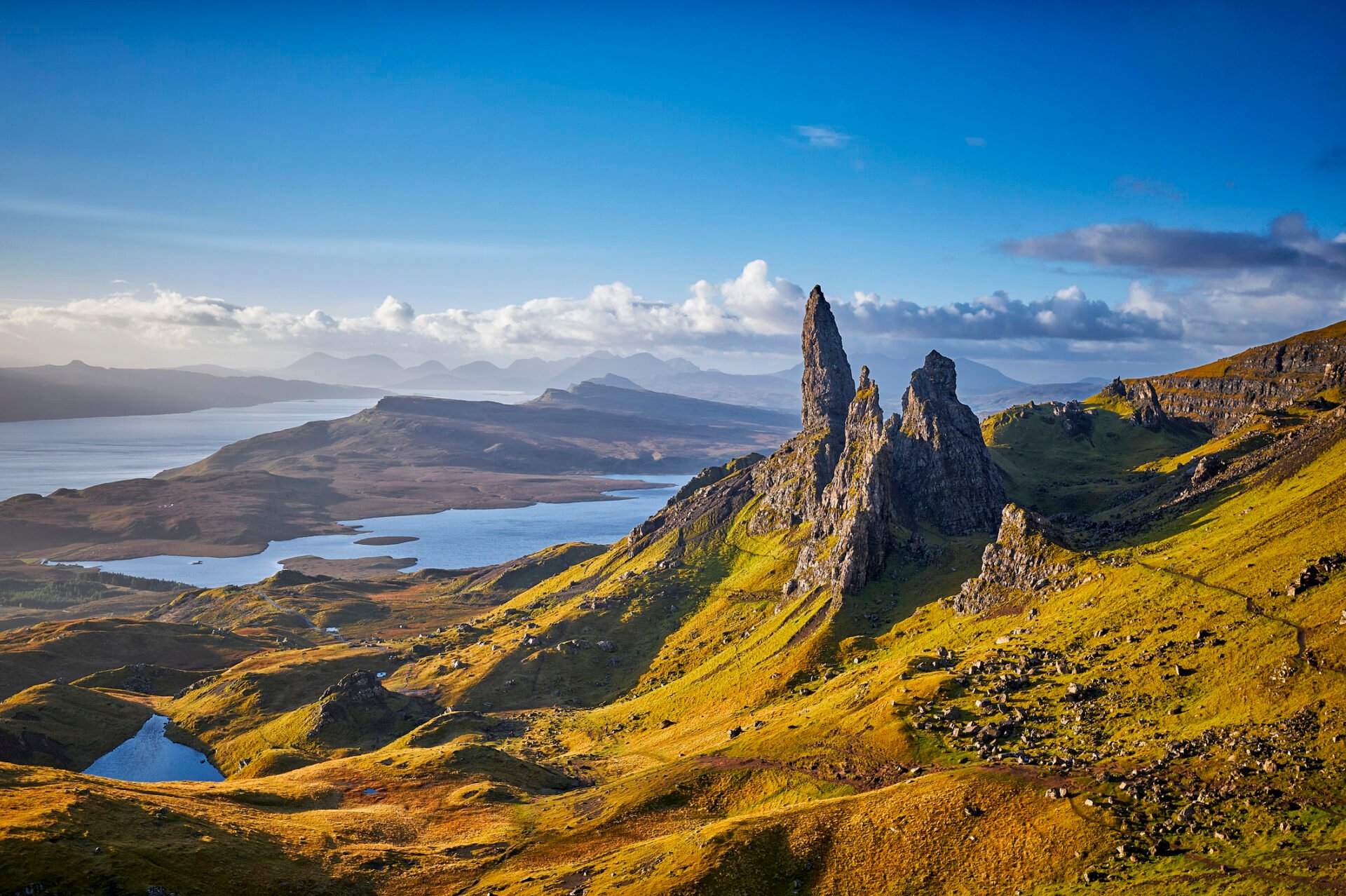
Towering mountain ranges, deep sea lochs, rolling green hills, and rugged coastlines dominate the landscape. The climate is cool and often unpredictable, with mist, rain, and sudden bursts of sunlight creating an ever-changing atmosphere.
This moody weather contributes to the island’s magical appearance and enhances its reputation as one of Europe’s most scenic destinations.
The Cuillin Mountains and Dramatic Landscapes
One of the most iconic features of Skye is the Cuillin Mountains, a dramatic range of jagged peaks considered among the most spectacular mountains in the United Kingdom.
The Black Cuillin, with its sharp ridges and dark volcanic rock, attracts climbers and hikers from around the world. Nearby, the Red Cuillin offers softer landscapes and equally stunning panoramic views.
Another famous natural attraction is the Old Man of Storr, a towering rock pinnacle rising dramatically above the landscape. Often surrounded by mist and clouds, it has become one of Scotland’s most photographed landmarks.
The island is also home to the enchanting Fairy Pools, a series of crystal-clear blue pools and waterfalls located beneath the Cuillin Mountains.
Every corner of Skye offers breathtaking scenery that feels both ancient and untouched.
Legends, Folklore, and Mythology
The Isle of Skye is deeply connected to Scottish mythology and Celtic folklore.
Ancient legends speak of fairies, giants, warriors, and mystical creatures hidden within the island’s mountains and glens. Places such as the Fairy Pools and Fairy Glen are closely tied to local stories passed down through generations.
The island’s misty landscapes and dramatic weather create an atmosphere that naturally inspires imagination and storytelling.
Many locals still preserve Gaelic traditions and folklore, adding to Skye’s rich cultural identity.
This blend of mythology and landscape gives the island a magical quality unlike anywhere else in Scotland.
Castles and Historical Heritage
Skye’s history is reflected in its ancient castles, clan traditions, and archaeological sites.
One of the island’s most famous landmarks is Dunvegan Castle, the ancestral home of Clan MacLeod for over 800 years.
Perched beside the sea, the castle contains historic artifacts, gardens, and legends connected to Scotland’s clan history.
The island also played an important role during the Jacobite uprisings, particularly through the story of Bonnie Prince Charlie and his escape across the Highlands.
Ruined castles, ancient stone bridges, and historic villages throughout Skye offer glimpses into centuries of Scottish history and resilience.
Wildlife and Natural Ecosystem
The Isle of Skye is rich in wildlife and natural biodiversity.
Visitors often spot red deer roaming the hillsides, while seals, dolphins, and even whales can sometimes be seen along the coastline.
Birdwatchers may encounter golden eagles, puffins, and seabirds nesting on cliffs and rocky shores.
The island’s diverse habitats—including mountains, moorlands, forests, and coastal areas—support a wide range of plant and animal species.
This untouched natural environment contributes to Skye’s reputation as one of Britain’s most important wilderness regions.
Adventure and Outdoor Activities
The Isle of Skye is a paradise for outdoor enthusiasts and adventure travelers.
Hiking is one of the island’s most popular activities, with trails leading through mountains, coastal cliffs, waterfalls, and hidden valleys.
Photography opportunities are endless due to the island’s dramatic scenery and constantly changing light conditions.
Kayaking, wildlife tours, rock climbing, and road trips along scenic coastal routes are also popular experiences.
The island’s remote landscapes and rugged beauty create a sense of adventure that attracts travelers seeking nature and solitude.
Scottish Culture and Local Traditions
Skye remains deeply connected to Scottish Gaelic culture and Highland traditions.
Many residents still speak Scottish Gaelic, and traditional music, storytelling, and local festivals continue to play an important role in island life.
The island’s villages, including Portree, are known for colorful harbors, cozy inns, and welcoming hospitality.
Local cuisine often features fresh seafood, smoked salmon, lamb, and traditional Scottish dishes.
This strong cultural identity adds warmth and authenticity to the Isle of Skye experience.
Sustainability and Conservation
As tourism continues to grow, preserving Skye’s fragile ecosystems and cultural heritage has become increasingly important.
Conservation efforts focus on protecting wildlife habitats, reducing environmental damage, and promoting sustainable tourism practices.
Visitors are encouraged to respect hiking trails, avoid littering, and support local businesses and eco-friendly accommodations.
These initiatives help maintain the island’s natural beauty while ensuring tourism benefits local communities.
Best Time to Visit the Isle of Skye
The best time to visit the Isle of Skye is between May and September, when weather conditions are milder and daylight hours are longer.
Summer offers greener landscapes and better hiking conditions, though it is also the busiest season.
Spring and autumn provide fewer crowds and dramatic lighting ideal for photography.
Winter brings a wild and atmospheric beauty, with snow-capped mountains and stormy coastlines creating unforgettable scenery.
Each season reveals a different side of Skye’s character.
Transport and Accessibility
The Isle of Skye can be reached by road via the Skye Bridge or by ferry from mainland Scotland.
The nearest major city is Inverness, which serves as a common starting point for journeys into the Highlands.
Car travel is the most popular way to explore the island, as many scenic locations are remote and spread across different regions.
Despite its wild appearance, Skye is accessible enough for travelers while still retaining a feeling of remoteness and adventure.
Why Visit the Isle of Skye?
The Isle of Skye offers one of the most magical travel experiences in Europe. Its mist-covered mountains, ancient legends, dramatic coastlines, and rich Highland culture create a destination filled with mystery and beauty.
Visitors can explore iconic landscapes, discover Scottish history, and immerse themselves in one of the most scenic islands in the world.
For nature lovers, photographers, hikers, and dreamers, Skye delivers an unforgettable journey into the heart of Scotland’s wild beauty.
Conclusion
The Isle of Skye stands as one of Scotland’s most extraordinary destinations. From the jagged peaks of the Cuillin Mountains to the fairy-tale landscapes of hidden waterfalls and misty valleys, every part of the island feels timeless and enchanting.
Blending dramatic scenery, ancient history, and deep-rooted Celtic traditions, Skye offers an experience that goes far beyond ordinary travel.
For those seeking adventure, inspiration, and the magic of the Scottish Highlands, the Isle of Skye truly lives up to its reputation as the Land of Misty Mountains and Legends.
00 Comments
No comments yet.
Leave a Comment