
Traveller

Jeita Grotto

Jeita Grotto

Have you ever wanted to explore a cave system? If so, Jeita Grotto in Lebanon is the perfect destination for you! This spectacular limestone cave network has been carved out by the Nahr El-Kalb River over thousands of years and is considered one of the most beautiful caves in the world.

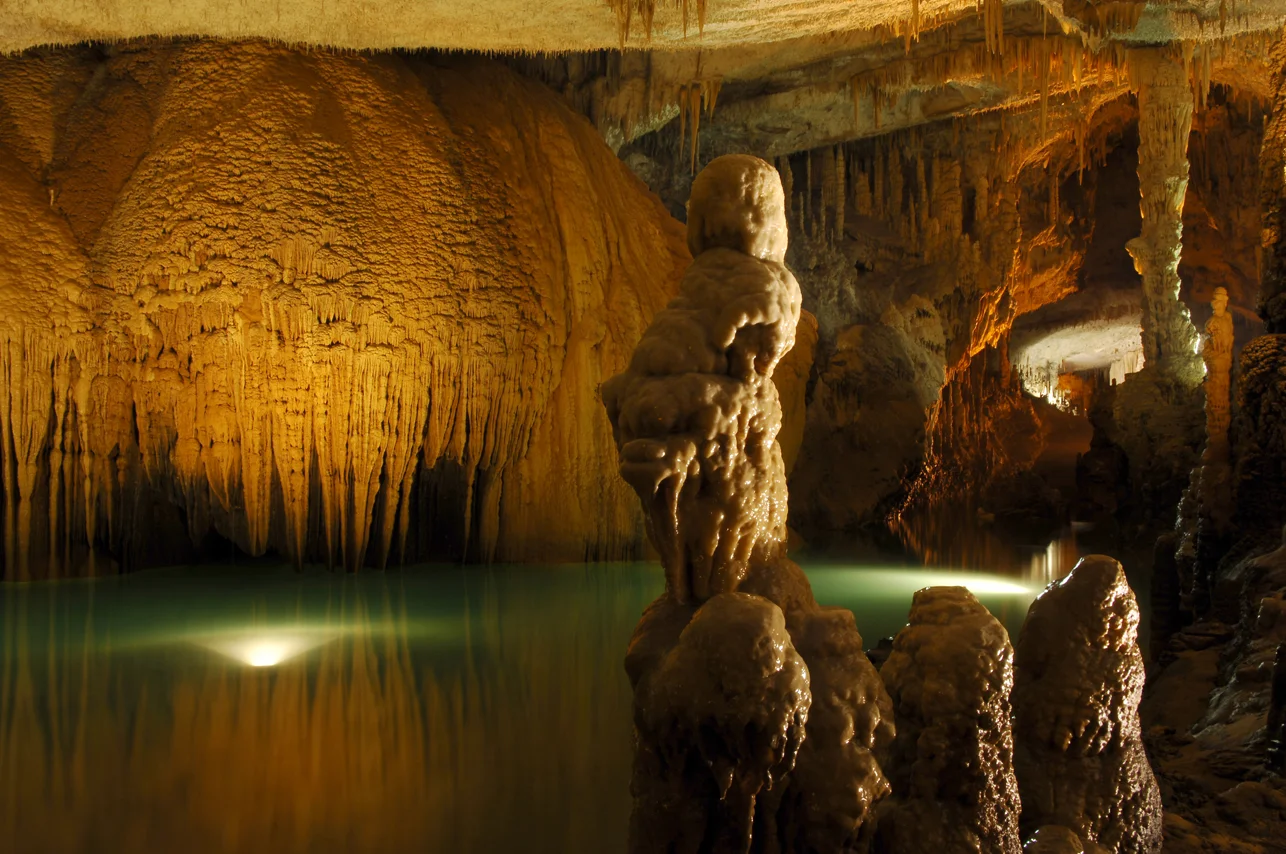
This amazing site comprises two separate caves that are charming and beautiful. The upper gallery features breathtaking limestone formations, and the lower gallery houses a deep lake. Jeita Grotto is home to many intriguing features, including stalactites, stalagmites, curtains, and other fascinating natural sculptures. 

In this article, we will explore Jeita Grotto and discover why it has become one of Lebanon’s most popular tourist attractions. From its stunning rock formations to its fascinating history, read on to find out more about this incredible underground wonder!

A Brief Overview of Jeita Grotto

Jeita Grotto is one of the most spectacular cave systems in Lebanon. It is located 18 kilometers north of Beirut and consists of two separate, but interconnected, limestone caves. The Upper Grotto is a dry cave with numerous stalactites and stalagmites, while the Lower Grotto is a wet cave with an underground river. Both caves are accessible to the public via a cable car or a boat ride.

The lower Jeita Grotto cave was first discovered in 1836 by Reverend William Thomson, who explored the caves with a team of local guides. Since then, the Jeita Grotto has been a popular destination for tourists and explorers. In 1958, the Lebanese government officially declared the upper Jeita Grotto cave a national heritage site.

The Jeita Grotto is well-known for its incredible stalactites, stalagmites, and crystal-clear waters. It is considered one of the most important natural sites in Lebanon. Today, the Jeita Grotto is one of Lebanon's most popular tourist attractions and receives millions of visitors yearly.

The History of the Jeita Grotto, Lebanon

The Jeita Grotto is a cave system located in Lebanon. It is considered one of the most spectacular cave systems in the world and has been nominated as one of the Seven Wonders of Nature. The Jeita Grotto consists of two separate, but interconnected, caves: the Upper Cave and the Lower Cave.

The Lower Cave was discovered in 1836 by Rev. William Thomson, a British missionary. Thomson explored the cave for over two miles (3 km), making it the longest-known cave in the world at that time. The Upper Cave was discovered in 1958 by French speleologists who were mapping the Lebanese caves. 

The Jeita Grotto is formed from limestone deposited during the Jurassic Period (about 150 million years ago). The caves are decorated with stalactites and stalagmites, which are formed when water drips from the ceiling of the caves and deposits calcium carbonate on the floor. The Jeita Grotto is home to several rare and endangered species, including blind fish and bats. 

The Jeita Grotto is open to visitors year-round. A cable car takes visitors from the entrance of the Upper Cave to an underground lake, where they can take a boat ride through the Lower Cave.

Jeita Grotto Caves in Lebanon

If you are looking for an otherworldly experience, a visit to the Jeita Grotto caves is a must. The Jeita Grotto is a set of two caves located in Lebanon. The grotto consists of an upper cave and a lower cave, both connected by an underground river. The upper cave is the larger of the two and features several chambers and halls, while the lower cave is smaller and more delicate. 

The lower cave is accessible by boat and is known for its crystal-clear water and breathtakingly high ceilings. The upper cave can be reached by descending a long staircase and features incredible rock formations. No matter which cave you explore, you're sure to be amazed by the natural beauty of Jeita Grotto.

The Upper Cave

A visit to Jeita Grotto is only completed by descending into the Upper Cave. This cave is accessible by a staircase that leads down from the main chamber. A specifically designed, 384-foot (117-meter) long concrete boardwalk is used for accessing the upper cave. The Upper Cave is truly a sight to behold, with its massive stalactites and stalagmites. 

Visitors have access to three chambers. The white chamber, the first chamber, is the cave's most remarkable formation. The 27 feet (8.2 meters) long stalactite there is the longest in the entire world. The second chamber is called the red chamber because of its color. The red chamber is 98 to 160 feet (30 to 50 meters) broad and rises to 106 meters (348 feet) in height. With a height of 390 feet (120 meters), the third chamber is the tallest of the three.

The Lower Cave

The lower cave is impressive, with its large chambers and stunning rock formations. Visitors can explore the lower cave by boat, and there are also several walking trails through the cave.

1650 feet (500 meters) electric boat ride along an underground black lake is required for a tour to the lower cave. There are first echoing sounds of the water rushing and chilly air, but as the boat descends farther into the cave, there is utter silence.

The boat trip offers a magnificent sample of the vast 20,300 feet (6200 meters) lower cave. A lighting system that illuminates the interior columns and structures enhances the experience.

The lower cave is made up of two main chambers. Both chambers are filled with beautiful stalactites, stalagmites, and various other rock formations. The trail through the cave also leads to a viewing platform where visitors can see the magnificent waterfall that flows into the lower chamber.

What to see at Jeita Grotto?

When visiting Jeita Grotto, you can expect to see some of the most amazing cave formations in the world. One of Lebanon's most popular tourist destinations, Jeita Grotto, has added various amenities for guests, including ropeways, a train, a tiny zoo, and various sculptures. There are various restaurants based on Lebanese food and many souvenir shops selling handmade goods from Lebanon.

How to get to Jeita Grotto in Lebanon?

Jeita Grotto is located in the metropolitan area of Beirut, Lebanon. The best way to get to the Jeita Grotto is by car. Head north on Charles Helou Avenue from the center of Beirut. After about 9 kilometers, turn left onto the Jeita Grotto Road. Continue for another 5 kilometers until you reach the parking lot for the cave. From there, it is a short walk down to the cave entrance.

Conclusion

Jeita Grotto is truly a unique and remarkable natural wonder. Its impressive size, stunning beauty, and archaeological significance make it an awe-inspiring experience for visitors of all ages. Exploring Jeita Grotto is an unforgettable experience, and it is no wonder why this cave system is one of Lebanon's most popular tourist attractions. From its amazing stalactites and stalagmites to its underground rivers, this breathtaking cave system is an absolute must-see in Lebanon.

00 Comments

No comments yet.

Leave a Comment

We are offering for you

Featured Articles

Niagara Falls

Niagara Falls is one of the most popular tourist destinations in North America. Every year, millions of people visit Niagara Falls to see the amazing sights and experience the natural wonders of this world-famous destination.

The History of Niagara Falls

Niagara Falls has been a tourist destination for centuries. The first person to visit Niagara Falls was Father Louis Hennepin, a French missionary, in 1678. He wrote about the beauty of the falls, which attracted other European explorers and settlers to the area.

In the early 19th century, Niagara Falls became a popular honeymoon destination for American couples. The popularity of the falls as a tourist destination grew throughout the 19th and 20th centuries. Today Niagara Falls is one of the most popular tourist destinations, attracting millions of visitors each year.

The Different Views of Niagara Falls

There are three different ways to view Niagara Falls: from the Canadian side, from the American side, and from above.

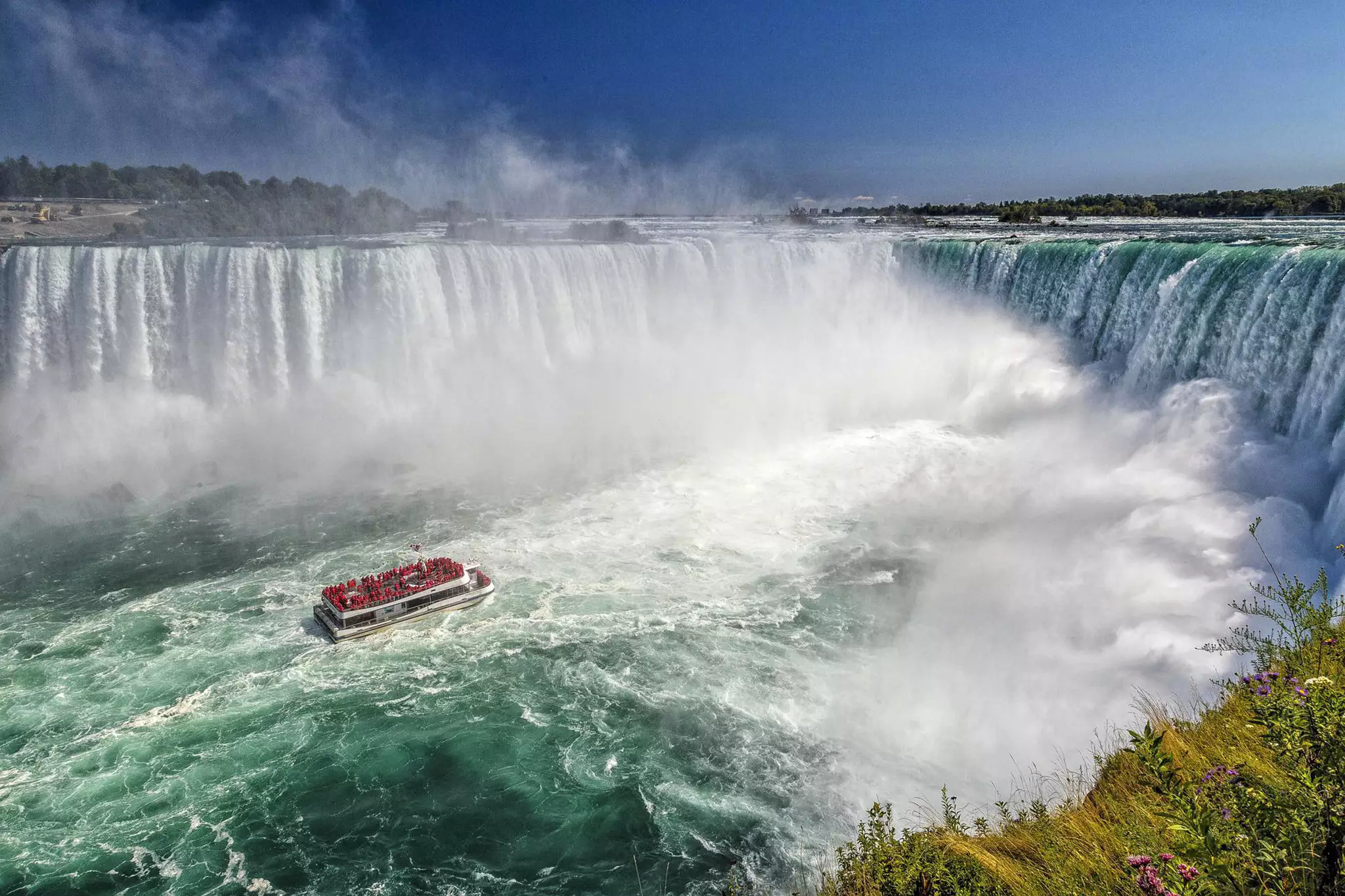
·        The Canadian side offers the best views of Niagara Falls. There are several observation decks, viewing areas, and a boardwalk that takes you right to the edge of the falls. You can also take a ride on the Maid of the Mist boat tour, which gets you up close and personal with the falls.

·        The American side offers different views of Niagara Falls than what you will see from the Canadian side. The most popular spot to view Niagara Falls on the American side is Goat Island, where you can walk out to the edge of Horseshoe Falls. Another great spot for views is Prospect Point Park, where you can get a bird’s eye view of all three waterfalls.

·        For something truly unique, take a trip aboard the Niagara Gorge Railway and enjoy panoramic views of Niagara Falls from above. It is a great way to see all three waterfalls at once and get an idea of how massive they are.

The Edge of the Niagara Falls

The edge of the falls is the best place to see the power of the water as it tumbles over the precipice. Several observation decks along the Niagara Gorge offer breathtaking views of the falls. The Rainbow Bridge, which spans the gorge just upstream from the falls, is a popular spot for picture-taking and boasts an up-close view of both the American and Horseshoe Falls.

Daredevils of Niagara Falls

Since the early days of Niagara Falls, people have been drawn to its raw power and beauty. Over the years, many have attempted to conquer the falls, often with tragic results. Here are some of the most famous (or infamous) daredevils who have taken on Niagara Falls:

·        Annie Edson Taylor was the first person to go over Niagara Falls in a barrel. She did it on her 63rd birthday in 1901 to achieve fame and fortune. Thankfully, she survived the stunt and lived to tell the tale.

·        Bobby Leach was the second person to went over Niagara Falls in a barrel. He did it in 1911 and also survived. Later he performed other stunts, including walking across a tightrope stretched over the falls.

·        Charles Stephens attempted to go over Niagara Falls in a barrel in 1920 but died during the attempt. His body is still missing.

·        Red Hill Sr., along with his son Red Hill Jr., became the first (and only) father and son duet, who went over Niagara Falls together in a barrel. They did it in 1951, and both survived.

·        Nik Wallenda became the first person to walk across Niagara Falls on a tightrope in 2012. He completed the stunt, which was televised live around the world.

How to get to Niagara Falls

Niagara Falls are located on the border between the United States and Canada, so there are a few different ways to reach them depending on your location.

If you are coming from the United States, the easiest way to get to Niagara Falls is by car. Several highways lead right to the falls, and once you cross the border into Canada, signs will point you in the right direction.

If you are coming from Toronto or another Canadian city, you can take a bus or train to Niagara Falls.

Once you arrive in Niagara Falls, there are plenty of ways to get up close and personal with the falls.

·        You can walk along the edges of the waterfall.

·        You can ride an elevator to the top of one of the falls for an incredible view.

·        You can also take a boat tour that takes you right into the spray of the falls.

Travel Guide for Niagara Falls

While planning a trip to Niagara Falls, there are a few things to know before visiting. Here is a travel guide for sightseers that will help you make the most of your trip:

When to Visit: The best time to visit Niagara Falls is during the summer season when the weather is warm and sunny. However, keep in mind that June through August are also the busiest months at Niagara Falls, so expect large crowds. If you want to avoid the crowds, plan your trip for September or October when the weather is still pleasant.

What to See: There is more to see at Niagara Falls than just the falls themselves. Be sure to take a ride on the Maid of the Mist boat tour for an up-close look at the powerful falls, and do not forget to visit Goat Island for some fantastic views. For something truly unique, check out 'Journey Behind the Falls', where you can stand inside a cave behind the raging waters of Horseshoe Falls.

What to Do: Other than sightseeing, there are plenty of other activities to enjoy at Niagara Falls. Take a walk along one of the many scenic trails, go whitewater rafting or tubing down the rapids, or take a helicopter.

Where to stay when visiting Niagara Falls

The first question you need to ask when trying to find accommodation in Niagara Falls is, how close to the Falls do you want to be?

If your priority is to walk out of your door and see the Falls, then you can stay in hotels like the Niagara Falls Marriott or the Sheraton on the Falls. Both of these come with a high price tag, so if you are looking for something more budget-friendly, there are plenty of other hotels located a little further away from the Falls. These hotels will still give you easy access to all the main attractions.

If you are hoping to do some wine touring, then it might be worth considering staying in Niagara-on-the-Lake. This quaint town, situated right in the middle of Ontario's wine country, offers visitors plenty of options for day trips and activities. There are also several good restaurants and cafes, as well as several bed and breakfasts if you are looking for a more intimate accommodation option.

No matter where you choose to stay, there is no doubt that Niagara Falls is an incredible destination that will leave you with memories to last a lifetime.

Conclusion

Niagara Falls is one of the world's most famous natural wonders and a must-see for any traveler. With its three massive waterfalls, Niagara Falls is one of the most famous waterfalls in the world to be visited once in a lifetime. This travel guide will help you make the most of your visit to Niagara Falls, from where to stay and what to do, to how to best experience this natural wonder. So start planning your trip to Niagara Falls today.