

Jiuzhaigou Valley
Introduction
Hidden deep within the mountains of southwestern China lies one of the most breathtaking natural landscapes in Asia—Jiuzhaigou Valley. Famous for its crystal-clear lakes, vibrant colors, cascading waterfalls, and snow-capped peaks, this remarkable destination looks almost unreal. Often described as a “fairytale valley,” Jiuzhaigou is one of China’s most spectacular national parks and a UNESCO World Heritage Site.
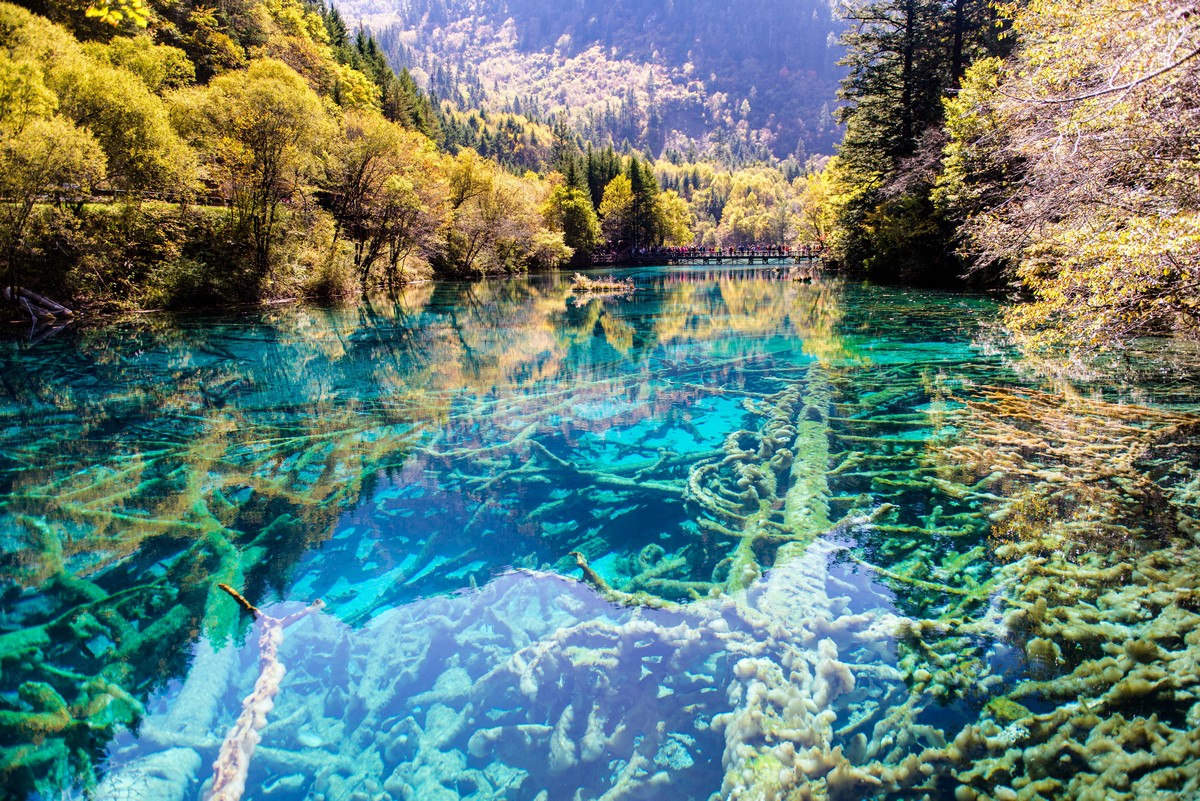
The valley is known for its unique alpine lakes that display astonishing shades of turquoise, emerald, blue, and golden yellow. These colors change depending on the depth of the water, sunlight, and mineral deposits beneath the surface. Surrounded by forests and mountains, the lakes reflect the scenery like mirrors, creating one of the most photogenic landscapes in the world.
Located in the mountains of Sichuan Province, Jiuzhaigou Valley Scenic and Historic Interest Area attracts nature lovers, photographers, and travelers seeking pristine natural beauty. The valley’s name means “Nine Village Valley,” referring to the traditional Tibetan villages scattered throughout the area.
For travelers searching for extraordinary landscapes and cultural heritage, Jiuzhaigou Valley offers one of the most unforgettable experiences in China.
Geography and Environment
Jiuzhaigou Valley is located in northern Sichuan Province in southwestern China, at the edge of the Tibetan Plateau. The valley lies within the Min Mountains, a rugged mountain range characterized by high peaks, deep forests, and dramatic valleys.
The entire scenic area covers more than 700 square kilometers and ranges in elevation from approximately 2,000 to over 4,500 meters above sea level. This variation in altitude creates a diverse environment with alpine forests, meadows, and wetlands.
The valley’s water system is fed by melting snow and mountain springs, which supply the numerous lakes and waterfalls found throughout the park. The water is exceptionally clear due to high concentrations of calcium carbonate, which also contributes to the vivid colors of the lakes.
The protected landscape forms part of the Jiuzhaigou National Nature Reserve, which safeguards the region’s delicate ecosystems and wildlife habitats.
Rainbow-Colored Lakes and Waterfalls
The most famous feature of Jiuzhaigou Valley is its series of stunning alpine lakes, often referred to as “colorful lakes” because of their vibrant hues. These lakes are famous for their clarity, allowing visitors to see fallen tree trunks and rocks resting at the bottom.
One of the most iconic lakes in the valley is Five Flower Lake, known for its extraordinary mix of turquoise, green, and golden colors. The lake’s shallow waters reveal submerged tree branches that create intricate patterns beneath the surface.
Another famous landmark is Long Lake, the largest and deepest lake in the park. Surrounded by towering mountains and dense forests, it provides a peaceful and scenic setting.
Jiuzhaigou is also home to spectacular waterfalls. The most impressive is Nuorilang Waterfall, one of the widest highland waterfalls in China. Water cascades across a wide cliff face, creating a powerful yet graceful natural spectacle.
Together, the lakes and waterfalls form a landscape that appears almost surreal, making Jiuzhaigou one of the most visually stunning destinations in Asia.
Wildlife and Natural Ecosystems
Jiuzhaigou Valley supports a rich biodiversity due to its varied climate and mountainous terrain. The forests and alpine meadows provide habitats for many rare and endangered species.
Among the most famous residents of the region is the Giant Panda, one of the world’s most beloved animals. Although sightings are rare, the surrounding mountains serve as an important habitat for this endangered species.
Another notable animal is the Golden Snub-nosed Monkey, a rare primate known for its distinctive blue face and golden fur.
Birdwatchers can also observe many species of birds that inhabit the forests and wetlands of the valley.
The combination of dense forests, clear waters, and alpine landscapes makes Jiuzhaigou an important ecological sanctuary and one of China’s most valuable natural reserves.
Cultural Heritage and Tibetan Villages
The name Jiuzhaigou translates to “Nine Village Valley,” reflecting the traditional Tibetan communities that have lived in the area for centuries. These villages maintain cultural traditions that add a unique human element to the valley’s natural beauty.
The Tibetan inhabitants practice traditional agriculture, animal herding, and craftsmanship. Their colorful wooden houses and prayer flags add vibrant cultural touches to the landscape.
One of the most well-known villages is Shuzheng Village, where visitors can experience Tibetan architecture, local cuisine, and cultural traditions.
Tibetan Buddhist influences are also visible throughout the region in the form of prayer wheels, monasteries, and spiritual symbols that reflect the deep connection between the local people and their natural environment.
Outdoor Exploration and Scenic Trails
Jiuzhaigou Valley is designed for scenic exploration, with wooden walkways and viewing platforms allowing visitors to safely experience its natural wonders.
Hiking trails wind through forests and along lakeshores, offering spectacular views of waterfalls, alpine lakes, and snow-covered peaks. Many of these trails follow the valley’s main waterways, creating a peaceful and immersive experience in nature.
Visitors can also explore the valley by eco-friendly shuttle buses that connect major scenic areas while minimizing environmental impact.
Photography is especially popular in Jiuzhaigou due to the region’s vibrant colors and dramatic landscapes. Autumn is particularly famous for its stunning combination of colorful forests and crystal-clear lakes.
Sustainability and Environmental Protection
Because of its fragile ecosystems, Jiuzhaigou Valley is carefully managed to protect its natural environment. The national nature reserve enforces strict regulations to limit environmental impact and preserve the region’s biodiversity.
Wooden walkways and designated viewing platforms help prevent damage to sensitive vegetation and soil. Visitor numbers are also controlled during peak seasons to protect the delicate ecosystem.
Conservation efforts also focus on protecting endangered wildlife species and maintaining the water quality of the valley’s lakes and streams.
These measures ensure that Jiuzhaigou remains one of China’s best-preserved natural landscapes.
Best Time to Visit Jiuzhaigou Valley
Jiuzhaigou Valley can be visited throughout the year, but each season offers a different experience.
Spring brings fresh greenery and flowing waterfalls as snow melts in the mountains.
Summer offers comfortable temperatures and lush landscapes, making it a popular time for sightseeing.
Autumn is widely considered the best season to visit. During this time, the forests transform into vibrant shades of red, orange, and yellow, creating breathtaking contrasts with the turquoise lakes.
Winter covers the valley in snow and ice, creating a peaceful and magical atmosphere with frozen waterfalls and fewer visitors.
Transport and Accessibility
Jiuzhaigou Valley is accessible via Jiuzhai Huanglong Airport, which connects the region with major Chinese cities such as Chengdu.
From the airport, buses and private vehicles transport visitors to the national park entrance. The nearby city of Chengdu serves as the primary gateway for travelers exploring the region.
Once inside the park, eco-friendly shuttle buses operate along designated routes, allowing visitors to travel efficiently between scenic areas.
Why Visit Jiuzhaigou Valley?
Jiuzhaigou Valley offers one of the most extraordinary natural landscapes in the world. Its colorful lakes, cascading waterfalls, and mountain scenery create a destination that feels almost magical.
The combination of natural beauty, rich biodiversity, and Tibetan cultural heritage makes the valley a unique and rewarding travel experience.
For photographers, hikers, and nature lovers, Jiuzhaigou provides countless unforgettable moments surrounded by pristine wilderness.
Conclusion
Jiuzhaigou Valley stands as one of China’s most remarkable natural treasures. With its rainbow-colored lakes, majestic waterfalls, and lush forests, the valley offers a landscape that feels both serene and otherworldly.
Protected as a UNESCO World Heritage Site, Jiuzhaigou represents the perfect harmony between nature and culture. The presence of traditional Tibetan villages alongside pristine ecosystems adds depth and richness to the region’s beauty.
For travelers seeking extraordinary scenery and a peaceful connection with nature, Jiuzhaigou Valley remains one of Asia’s most spectacular destinations—a true jewel of China’s mountainous landscapes.
00 Comments
No comments yet.
Leave a Comment