

Koli National Park
Introduction
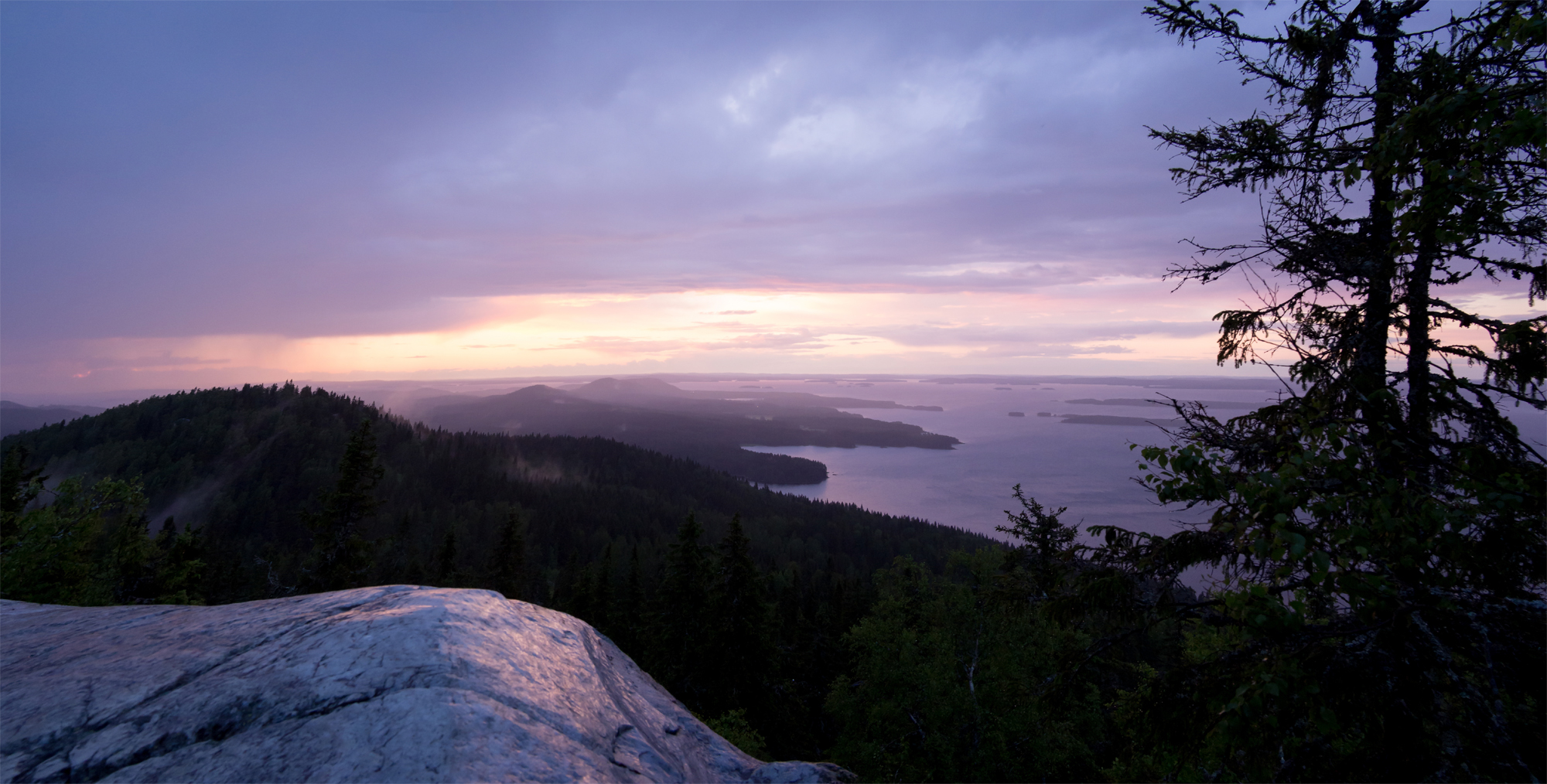
Rising above the forests and shimmering waters of eastern Finland, Koli National Park is one of the country's most beautiful and culturally significant natural landscapes. Famous for its rolling forested hills, rocky viewpoints, vast Lake Pielinen, quiet trails, and changing seasonal scenery, Koli is often regarded as a symbol of the Finnish wilderness.
Unlike the dramatic mountains of Norway or Iceland, Koli's beauty comes from its gentler landscape. Ancient rocky hills rise above endless forests, while blue lakes stretch toward the horizon. In autumn, the forests turn brilliant shades of gold, orange, and red, while winter transforms the park into a snowy wonderland.
Koli is also deeply connected to Finnish art and national identity. The landscape inspired several important Finnish artists, including painter Eero Järnefelt, whose works helped establish Koli as an iconic representation of the country's natural beauty.
Located in North Karelia, eastern Finland, the park offers hiking, photography, cross-country skiing, snowshoeing, wildlife watching, boating, and peaceful nature experiences throughout the year.
For travelers searching for an authentic Nordic wilderness experience away from Europe's busiest destinations, this Koli National Park travel guide explores its geography, viewpoints, forests, wildlife, Finnish culture, best things to do, best time to visit, transportation, sustainability, and why Koli remains one of Finland's most unforgettable natural destinations.
Where Is Koli National Park? Geography and Landscape
Koli National Park is located in North Karelia in eastern Finland, approximately 70 kilometers north of the city of Joensuu.
The park covers a landscape of forests, rocky hills, lakes, wetlands, and valleys overlooking the enormous Lake Pielinen.
The region is characterized by:
- Ancient bedrock
- Forest-covered hills
- Rocky ridges
- Lake Pielinen
- Boreal forests
- Meadows
- Wetlands
- Small streams
- Scenic valleys
The highest points of Koli rise only a few hundred meters above sea level, but the surrounding landscape creates the impression of much greater elevation because Lake Pielinen and the forests stretch toward the distant horizon.
This combination gives Koli its distinctive panoramic character.
Why Is Koli National Park Famous?
Koli is famous for its spectacular viewpoints and its importance in Finnish art and culture.
The park is known for:
- Ukko-Koli viewpoint
- Lake Pielinen panoramas
- Finnish national landscapes
- Boreal forests
- Hiking trails
- Autumn colors
- Winter landscapes
- Cross-country skiing
- Traditional Finnish scenery
- Wildlife and nature photography
The view from the Koli hills has become one of Finland's most recognizable natural landscapes.
Ukko-Koli - Finland's Iconic Viewpoint
The most famous viewpoint in Koli National Park is Ukko-Koli.
From the rocky summit, visitors can look across Lake Pielinen toward distant islands, forests, and hills.
The view changes dramatically throughout the year.
In summer, the landscape appears lush and green. Autumn brings brilliant foliage, while winter covers the forests and lake in shades of white and blue.
Sunrise and sunset are particularly beautiful from the summit, when soft light spreads across the lake and surrounding forests.
Ukko-Koli is one of the essential stops for anyone visiting Koli National Park.
Akka-Koli and Paha-Koli
Koli's famous landscape includes several prominent peaks.
Akka-Koli offers another impressive viewpoint across the surrounding wilderness.
Nearby Paha-Koli contributes to the dramatic rocky character of the summit area.
Together, these viewpoints create a network of short hiking opportunities where visitors can experience different perspectives over Lake Pielinen and the surrounding forests.
Lake Pielinen - The Heart of the Landscape
One of the defining features of Koli National Park is Lake Pielinen, Finland's fourth-largest lake.
The enormous body of water stretches across the horizon from Koli's viewpoints, creating the impression of an inland sea.
Numerous islands and forested shores add depth to the scenery.
The lake is especially beautiful during calm mornings, when the water reflects the sky and surrounding forests.
In summer, travelers can explore the lake by boat or kayak. In winter, frozen conditions transform the landscape into a completely different Nordic environment.
The Ancient Geology of Koli
Koli's landscape is built on extremely old bedrock.
The region's geological history dates back billions of years, making it one of the most ancient landscapes in Europe.
Glacial activity later shaped the terrain, carving valleys and exposing rocky formations.
The combination of ancient bedrock and glacial erosion created the hills and valleys that define Koli today.
Walking across the exposed rock provides a fascinating glimpse into Finland's deep geological history.
Koli and Finnish Art
Koli has a special place in Finland's cultural history.
During the late 19th and early 20th centuries, Finnish artists traveled to the region seeking inspiration from its landscapes.
Artists including Eero Järnefelt, Pekka Halonen, and Jean Sibelius were influenced by the Finnish wilderness and Karelian scenery.
Their work helped transform Koli into a symbol of Finnish national identity.
The landscape became associated with ideas of wilderness, independence, national heritage, and the relationship between Finnish people and nature.
Today, Koli remains one of the country's most recognizable cultural landscapes.
Hiking in Koli National Park
Hiking is the best way to explore Koli.
The park contains numerous trails ranging from short walks around the main viewpoints to longer routes through forests, valleys, and lakeside landscapes.
Popular hiking experiences include:
- Ukko-Koli viewpoints
- Akka-Koli
- Paha-Koli
- Mäkrä Hill
- Lake Pielinen viewpoints
- Forest trails
- Traditional meadow landscapes
The trails vary in difficulty, making Koli suitable for both casual visitors and experienced hikers.
Autumn is particularly popular because the forests become filled with vibrant colors.
Mäkrä Hill - A Scenic Hiking Destination
Mäkrä Hill is another rewarding destination within the park.
The trail to Mäkrä passes through forests and rocky landscapes before reaching higher terrain with panoramic views.
The route provides a quieter alternative to the most famous Ukko-Koli viewpoint.
For travelers who want to spend several hours exploring the park rather than simply visiting a viewpoint, hiking toward Mäkrä offers an excellent experience.
Wildlife and Boreal Forests
Koli National Park protects an important area of Finnish boreal forest.
The park provides habitat for numerous species, including:
- Moose
- Brown bears
- Lynx
- Wolves
- Red squirrels
- Mountain hares
- Foxes
- Woodpeckers
- Owls
- Grouse
- Numerous migratory birds
Large predators are elusive, so most visitors are unlikely to encounter them.
Birdwatchers, however, can enjoy excellent opportunities to observe woodland and wetland species.
The forests are also home to berries, mushrooms, mosses, lichens, and other plants adapted to Finland's northern climate.
Best Things to Do in Koli National Park
Koli offers outdoor experiences in every season.
Popular activities include:
- Hiking
- Landscape photography
- Nature walks
- Wildlife watching
- Kayaking
- Canoeing
- Boating
- Berry picking where permitted
- Mushroom gathering where permitted
- Cross-country skiing
- Snowshoeing
- Scenic sightseeing
The park's seasonal diversity is one of its greatest attractions.
A summer visit and a winter visit can feel like two completely different destinations.
Koli in Autumn - Finland's Golden Wilderness
Autumn is one of the most beautiful times to visit Koli.
As temperatures fall, birch, aspen, rowan, and other trees transform the forests into a spectacular mixture of:
- Gold
- Yellow
- Orange
- Red
- Deep green
This seasonal transformation is known in Finland as ruska.
The combination of colorful forests, blue Lake Pielinen, and exposed gray rock creates extraordinary scenery.
For photographers, autumn is arguably the best season for capturing Koli's famous landscapes.
Koli in Winter - A Nordic Wonderland
Winter completely transforms the park.
Snow covers the forest, frozen branches create intricate shapes, and the hills become ideal for winter activities.
Visitors can enjoy:
- Cross-country skiing
- Snowshoeing
- Winter hiking
- Scenic viewpoints
- Photography
The surrounding landscape becomes exceptionally peaceful during winter.
On clear nights, the dark skies can also provide opportunities to see stars and, under suitable conditions, northern lights in the broader region.
Local Culture and Karelian Heritage
Koli is located in the cultural region of North Karelia, an area strongly associated with Finnish and Karelian traditions.
Traditional architecture, music, food, handicrafts, and storytelling remain important elements of the regional identity.
The nearby communities provide opportunities to experience local culture beyond the national park itself.
Visitors can discover traditional Karelian dishes, local crafts, and regional history while exploring the wider area.
Finnish and Karelian Cuisine
Food is an important part of experiencing eastern Finland.
Local specialties may include:
- Karelian pies
- Rye bread
- Fresh fish
- Smoked fish
- Mushroom dishes
- Berry desserts
- Bilberries
- Lingonberries
- Cloudberries
- Wild game
Finland's forests provide an abundance of wild berries and mushrooms, which are traditionally incorporated into local cuisine.
A warm meal featuring local ingredients is particularly enjoyable after a day outdoors.
Sustainable Tourism and Conservation
Koli National Park is carefully managed to protect its forests, wildlife, geological features, and cultural landscapes.
Visitors can help protect the park by:
- Staying on marked trails
- Carrying rubbish out
- Respecting wildlife
- Using designated camping areas
- Avoiding damage to vegetation
- Following fire regulations
- Keeping dogs under control where required
- Respecting private land and local communities
Finland's outdoor culture places strong emphasis on responsible access to nature.
The country's Everyman's Rights provide broad opportunities to enjoy nature, but they also come with responsibilities toward the environment and other people.
Best Time to Visit Koli National Park
Koli is a year-round destination, and the best time depends on the experience you want.
June to August - Summer
Summer brings long daylight hours, green forests, wildflowers, hiking opportunities, and comfortable conditions for exploring the park.
September to October - Autumn
Autumn is ideal for experiencing ruska, when the forest becomes intensely colorful.
November to March - Winter
Snow transforms Koli into a winter wonderland, making it perfect for skiing and snowshoeing.
April to May - Spring
Spring brings melting snow, returning birds, and gradually awakening vegetation, although trail conditions can be muddy.
For classic Koli photography, autumn is one of the strongest choices.
How to Get to Koli National Park
The nearest major city is Joensuu, which has rail and air connections with other parts of Finland.
From Joensuu, travelers can continue toward Koli by road.
Many visitors choose to rent a car because it provides greater flexibility for exploring the national park and surrounding North Karelia region.
Koli can also be included in a larger Finnish itinerary featuring:
- Joensuu
- Lake Saimaa
- Savonlinna
- Eastern Finland
- Finnish Lakeland
The journey through the Finnish countryside is itself part of the experience.
Essential Travel Tips for Visiting Koli
A few simple preparations can make your visit more enjoyable.
- Wear comfortable hiking shoes.
- Bring layers because weather can change quickly.
- Carry water during longer hikes.
- Check trail conditions before setting out.
- Bring insect repellent during summer.
- Carry warm clothing during autumn and winter.
- Use appropriate equipment for snow activities.
- Start early for sunrise photography.
- Respect the natural environment.
In winter, daylight hours are limited, so plan outdoor activities carefully.
Why Visit Koli National Park?
Koli offers a different vision of wilderness from the dramatic mountains of Scandinavia.
Its beauty comes from the relationship between ancient rocks, endless forests, and vast lakes.
Standing at Ukko-Koli and looking across Lake Pielinen provides a sense of scale and tranquility that captures the essence of Finnish nature.
For hikers, the park offers beautiful trails. For photographers, it provides extraordinary seasonal scenery. For culture lovers, it reveals an important part of Finnish national identity. And for travelers seeking peace, Koli offers an opportunity to slow down and reconnect with nature.
Conclusion
Koli National Park is far more than a scenic viewpoint - it is a landscape that represents the heart of Finnish wilderness.
Its ancient rocky hills, endless forests, shimmering Lake Pielinen, changing seasons, rich wildlife, and deep connections to Finnish art and culture make it one of Finland's most memorable destinations.
Whether you're hiking to Ukko-Koli, photographing the autumn colors, skiing through snow-covered forests, kayaking on Lake Pielinen, or simply watching the sunrise over the Finnish wilderness, Koli offers an experience that stays with you.
For travelers searching for unique places to visit in Finland, peaceful Nordic landscapes, outdoor adventure, and authentic cultural experiences, Koli National Park truly deserves its reputation as Finland's Land of Endless Lakes and Forests.
00 Comments
No comments yet.
Leave a Comment