

Komodo National Park
Introduction
Nestled between the islands of Sumbawa and Flores, Komodo National Park is one of the world's most extraordinary wildlife destinations. Known as Home of the Last Dragons, this UNESCO World Heritage Site is the only place on Earth where visitors can encounter the legendary Komodo dragon in its natural habitat.
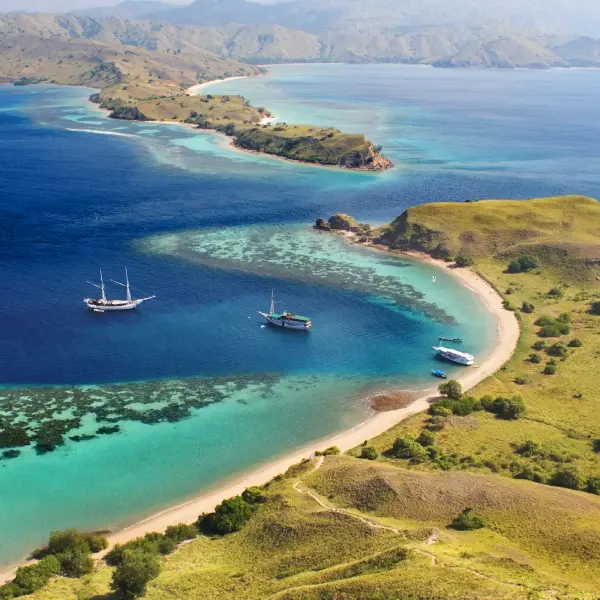
Established in 1980 to protect the endangered Komodo dragon, the national park has evolved into one of Southeast Asia's most spectacular adventure destinations. Covering nearly 1,800 square kilometers of land and sea, Komodo National Park is home to rugged volcanic islands, pink sand beaches, crystal-clear waters, vibrant coral reefs, dramatic hills, mangrove forests, and one of the richest marine ecosystems on the planet.
Beyond its famous dragons, the park offers world-class snorkeling and diving, breathtaking hiking trails, panoramic viewpoints, and encounters with manta rays, sea turtles, dolphins, and hundreds of tropical fish species. Its combination of unique wildlife, pristine landscapes, and underwater biodiversity makes Komodo National Park one of Indonesia's greatest natural treasures.
Whether you're a wildlife enthusiast, photographer, scuba diver, or adventure traveler, this Komodo National Park travel guide will show you why this remarkable destination deserves a place on every travel bucket list.
Where Is Komodo National Park? Geography and Island Landscape
Komodo National Park is located in East Nusa Tenggara, between the islands of Flores and Sumbawa.
The park consists of three major islands:
- Komodo Island
- Rinca Island
- Padar Island
Along with dozens of smaller islands, the park protects an extraordinary mix of dry savannahs, volcanic hills, mangrove forests, coral reefs, seagrass meadows, and turquoise bays.
The surrounding waters are part of the Coral Triangle, one of the world's richest marine biodiversity hotspots, making the park equally famous above and below the ocean's surface.
Why Is Komodo National Park Famous?
Komodo National Park is internationally recognized as one of the world's most remarkable wildlife sanctuaries.
The park is famous for:
- Wild Komodo dragons
- UNESCO World Heritage Site
- Pink Beach
- World-class scuba diving
- Manta ray encounters
- Coral Triangle marine biodiversity
- Padar Island viewpoint
- Crystal-clear waters
- Rich underwater ecosystems
- Spectacular island landscapes
Its combination of prehistoric wildlife and marine biodiversity makes it one of Asia's most iconic national parks.
History of Komodo National Park
The Komodo dragon evolved in isolation across Indonesia's Lesser Sunda Islands for millions of years, becoming the world's largest living lizard.
Recognizing the species' vulnerability, the Indonesian government established Komodo National Park in 1980 to protect both the dragons and their natural habitat.
In 1991, the park was designated a UNESCO World Heritage Site due to its outstanding ecological importance and unique biodiversity.
Today, conservation efforts focus on protecting endangered wildlife, preserving marine ecosystems, supporting local communities, and promoting sustainable tourism.
Komodo National Park is now regarded as one of the world's leading examples of integrated wildlife and marine conservation.
Top Attractions in Komodo National Park
Komodo Island - Meet the Legendary Dragons
The highlight of every visit is exploring Komodo Island, where wild Komodo dragons roam freely.
Guided walks allow visitors to observe these incredible reptiles in their natural habitat while learning about their behavior, hunting techniques, and conservation.
Seeing the world's largest lizard up close is an unforgettable wildlife experience.
Padar Island - Indonesia's Most Famous Viewpoint
The breathtaking Padar Island offers one of Indonesia's most iconic panoramas.
A relatively short but steep hike leads to a spectacular viewpoint overlooking three crescent-shaped beaches with different colored sand.
Sunrise and sunset provide the most dramatic lighting for photography.
The panoramic scenery has become one of Indonesia's most recognizable travel images.
Pink Beach - One of the World's Rare Pink Sand Beaches
One of the park's most unique attractions is Pink Beach.
Its soft pink sand is created by crushed red coral mixing with white sand.
Combined with crystal-clear turquoise water and colorful coral reefs, the beach offers exceptional opportunities for swimming, snorkeling, and photography.
It is considered one of the finest pink beaches on Earth.
Manta Point - Swim with Giant Manta Rays
Manta Point is one of the park's most famous marine attractions.
Snorkelers and divers frequently encounter graceful manta rays gliding through nutrient-rich waters.
The site also supports vibrant coral reefs, reef sharks, turtles, and countless tropical fish.
For marine life enthusiasts, Manta Point is an unforgettable experience.
Rinca Island - Another Dragon Sanctuary
Rinca Island offers another excellent opportunity to observe Komodo dragons.
Often receiving fewer visitors than Komodo Island, Rinca provides equally impressive wildlife encounters along scenic walking trails.
The island is also home to wild buffalo, monkeys, deer, and numerous bird species.
Wildlife in Komodo National Park
Komodo National Park protects one of Southeast Asia's richest ecosystems.
Visitors may encounter:
- Komodo dragon
- Timor Deer
- Water Buffalo
- Long-tailed Macaque
- Manta Ray
- Green Sea Turtle
- Reef sharks
- Dolphins
- Dugongs
- More than 1,000 species of fish
The surrounding waters also contain over 250 coral species, making the park one of the world's finest diving destinations.
Best Things to Do in Komodo National Park
Komodo National Park offers unforgettable outdoor adventures.
Popular activities include:
- Seeing Komodo dragons
- Hiking Padar Island
- Snorkeling at Pink Beach
- Scuba diving
- Swimming with manta rays
- Wildlife photography
- Island hopping
- Kayaking
- Sunset cruises
- Birdwatching
Every island offers a unique combination of wildlife, landscapes, and marine experiences.
Local Culture and Traditional Cuisine
The islands surrounding Komodo National Park are home to fishing communities that have lived alongside the sea for generations.
Visitors can explore local villages, learn about traditional boat building, and experience the culture of the region's coastal communities.
Fresh seafood dominates local cuisine, with grilled fish, squid, prawns, spicy sambal, tropical fruits, and Indonesian rice dishes among the most popular meals.
Supporting locally owned boats, guides, restaurants, and accommodations contributes to sustainable community development.
Sustainable Tourism and Conservation
Protecting Komodo dragons and marine biodiversity remains the park's highest priority.
Conservation programs monitor dragon populations, restore coral reefs, combat illegal fishing, and regulate tourism.
Visitors must always remain with certified park rangers when observing dragons and follow all safety instructions.
Responsible travelers should avoid touching wildlife, refrain from collecting coral, minimize plastic waste, and respect protected marine habitats.
These efforts help preserve one of Earth's most extraordinary ecosystems.
Best Time to Visit Komodo National Park (Month-by-Month Guide)
The best time to visit is during the dry season from April to November.
Clear skies and calm seas provide ideal conditions for hiking, diving, and island hopping.
April to June offers lush green landscapes after seasonal rains.
July to September is excellent for wildlife viewing and underwater visibility.
October and November generally feature fewer crowds while maintaining pleasant weather.
Every season provides unique opportunities to experience the park's natural beauty.
How to Get to Komodo National Park
Most visitors begin their journey in Labuan Bajo, the main gateway to Komodo National Park.
Labuan Bajo is connected by regular domestic flights from Bali, Jakarta, and several other Indonesian cities.
From Labuan Bajo, travelers can join day trips, liveaboard cruises, or private boat tours to explore the islands.
Most attractions within the park are accessible only by boat.
Essential Travel Tips for Visiting Komodo National Park
Proper planning will ensure a safe and memorable adventure.
- Always stay with certified park rangers when observing Komodo dragons.
- Carry plenty of drinking water during hikes.
- Wear lightweight clothing, sunscreen, and a hat.
- Bring snorkeling gear or rent high-quality equipment.
- Respect wildlife by maintaining a safe distance.
- Avoid touching coral reefs while snorkeling or diving.
- Book boat tours in advance during peak travel seasons.
Responsible travel helps protect both wildlife and local communities.
Why Visit Komodo National Park?
Komodo National Park offers one of the most extraordinary wildlife experiences anywhere on Earth. From walking beside the legendary Komodo dragon and hiking panoramic island viewpoints to diving among vibrant coral reefs and swimming with majestic manta rays, every moment is filled with adventure and natural wonder.
Whether you're exploring volcanic islands, relaxing on a pink sand beach, photographing breathtaking landscapes, or discovering one of the world's richest marine ecosystems, Komodo National Park delivers unforgettable experiences for every traveler.
For wildlife lovers, divers, photographers, and adventure seekers, it remains one of Indonesia's greatest destinations.
Conclusion
Komodo National Park is far more than the home of the legendary Komodo dragon - it is one of the planet's most spectacular natural treasures. Its rugged volcanic islands, pristine beaches, world-class diving sites, extraordinary wildlife, and vibrant marine ecosystems create a destination unlike any other.
As both a UNESCO World Heritage Site and one of the world's most important conservation areas, the park continues to protect an incredible diversity of life above and below the sea.
For travelers seeking unforgettable wildlife encounters, breathtaking scenery, and one of Southeast Asia's greatest adventures, Komodo National Park truly lives up to its reputation as Home of the Last Dragons.
00 Comments
No comments yet.
Leave a Comment