
Traveller

Kotor

Kotor

Introduction

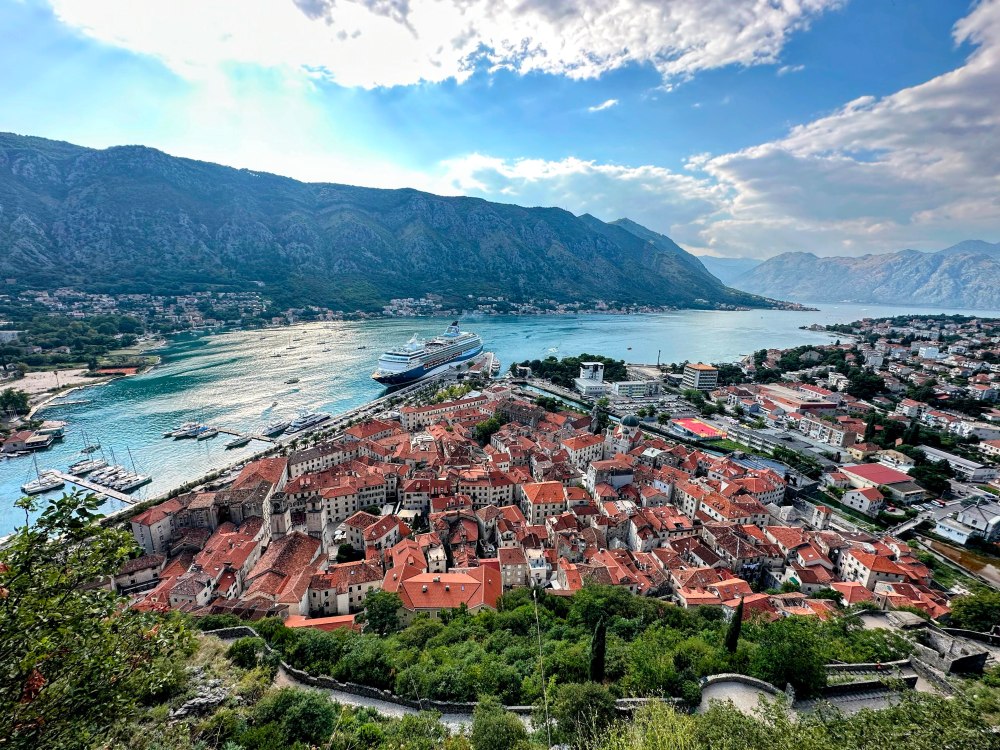
Kotor, Montenegro, is one of Europe’s most breathtaking yet underrated coastal destinations. Nestled along the Bay of Kotor, often described as Europe’s southernmost fjord, this medieval town blends dramatic natural scenery with centuries of history. Surrounded by towering limestone mountains and calm Adriatic waters, Kotor offers travelers a rare combination of cultural heritage and striking landscapes.

Unlike more crowded Adriatic cities, Kotor retains an intimate charm. Its fortified Old Town, winding cobbled streets, and Venetian-era architecture transport visitors back in time. For those seeking a European destination rich in history, coastal beauty, and authentic atmosphere, Kotor stands out as a hidden Adriatic gem.


Geographical and Environmental Significance

Kotor is located in southwestern Montenegro along the Bay of Kotor, a deep, winding inlet connected to the Adriatic Sea. Although often referred to as a fjord, the bay is technically a submerged river canyon, formed by tectonic and karst processes rather than glacial activity.

The surrounding Dinaric Alps rise steeply from the water’s edge, creating dramatic vertical landscapes. This natural setting not only provides breathtaking views but also historically protected the town from invasions.

The region enjoys a Mediterranean climate, with warm summers and mild winters. The bay’s calm waters and mountainous backdrop create a unique microclimate that supports lush vegetation and scenic coastal villages.


Landscapes and Heritage

The defining feature of Kotor is its UNESCO-listed Old Town, part of the Natural and Culturo-Historical Region of Kotor. Enclosed by impressive stone walls that climb high into the mountains, the town reflects centuries of maritime and Venetian influence.

The Old Town of Kotor is a labyrinth of narrow alleys, hidden courtyards, Romanesque churches, and charming squares. One of its architectural highlights is the St. Tryphon's Cathedral, built in the 12th century and dedicated to the town’s patron saint.

Above the town rises the formidable San Giovanni Fortress, accessible by climbing more than 1,300 stone steps. From the top, panoramic views of the bay and surrounding mountains reward visitors with unforgettable scenery.

Beyond the Old Town, picturesque villages such as Perast line the bay, offering baroque architecture and tranquil waterfront settings.


Cultural Identity and Maritime Legacy

Kotor’s history is shaped by centuries of maritime trade and foreign rule, particularly under the Venetian Republic. This legacy is visible in its architecture, city layout, and coastal fortifications.

The town once served as an important naval center, and its maritime heritage remains preserved in museums and local traditions. Festivals and religious celebrations reflect deep-rooted customs passed down through generations.

Despite modernization, Kotor maintains a strong local identity. Traditional music, seafood cuisine, and coastal lifestyle continue to define daily life within the ancient walls.


Cuisine of Kotor and the Adriatic Coast

Kotor’s cuisine reflects Mediterranean and Balkan influences. Fresh seafood dominates menus, including grilled fish, calamari, and mussels harvested from the bay.

Local specialties often feature olive oil, herbs, and seasonal vegetables. Traditional Montenegrin dishes such as Njeguški pršut (smoked ham) and regional cheeses add depth to the culinary experience.

Dining in Kotor typically takes place in small stone courtyards or waterfront restaurants, where visitors can enjoy Adriatic views alongside authentic flavors.


Sustainable Tourism and Preservation

As Kotor gains popularity among international travelers and cruise visitors, sustainable tourism has become increasingly important. Preservation efforts focus on maintaining historic structures and protecting the bay’s fragile ecosystem.

Authorities regulate development within the Old Town to preserve its medieval character. Eco-conscious travel initiatives encourage visitors to explore beyond peak hours, support local businesses, and respect cultural heritage sites.

Maintaining balance between tourism growth and historical preservation ensures Kotor’s long-term sustainability.


Best Time to Visit Kotor

The best time to visit Kotor is during May to June and September to October, when temperatures are pleasant and crowds are smaller. These shoulder seasons allow visitors to explore the Old Town and climb the fortress comfortably.

July and August offer warm weather and vibrant coastal energy but can be crowded due to cruise ships and summer tourism. Spring and autumn provide ideal conditions for photography, hiking, and relaxed exploration.


How to Get Around

Kotor is accessible via Tivat Airport, located approximately 8 kilometers away. Podgorica and Dubrovnik airports also provide regional connections.

The Old Town is entirely pedestrian, making walking the best way to explore its historic streets. Boat tours across the bay offer scenic perspectives of surrounding villages and islands.

Due to narrow roads and limited parking, public transport or organized tours are often convenient options for exploring the broader region.


Why Kotor Belongs on Your Travel Bucket List

Kotor offers a rare blend of dramatic natural landscapes and preserved medieval architecture. The sight of fortified walls climbing steep mountains above turquoise waters creates one of Europe’s most striking coastal panoramas.

Unlike more commercialized Adriatic cities, Kotor retains authenticity and tranquility. Visitors can experience centuries of history while enjoying scenic hikes, cultural festivals, and peaceful waterfront evenings.

For travelers seeking a unique European destination that combines mountains, sea, and medieval heritage, Kotor delivers an unforgettable experience.


Conclusion

Kotor, Montenegro, stands as one of the Adriatic’s most captivating destinations. From the stone streets of its UNESCO-listed Old Town to the panoramic heights of San Giovanni Fortress, every corner reflects a rich maritime past and stunning natural setting. With its dramatic bay, cultural depth, and commitment to preservation, Kotor offers more than just scenic beauty—it provides a journey into Europe’s coastal history.

For those searching for a medieval European escape framed by mountains and sea, Kotor remains a timeless Adriatic treasure.
00 Comments

No comments yet.

Leave a Comment

We are offering for you

Featured Articles

Niagara Falls

Niagara Falls is one of the most popular tourist destinations in North America. Every year, millions of people visit Niagara Falls to see the amazing sights and experience the natural wonders of this world-famous destination.

The History of Niagara Falls

Niagara Falls has been a tourist destination for centuries. The first person to visit Niagara Falls was Father Louis Hennepin, a French missionary, in 1678. He wrote about the beauty of the falls, which attracted other European explorers and settlers to the area.

In the early 19th century, Niagara Falls became a popular honeymoon destination for American couples. The popularity of the falls as a tourist destination grew throughout the 19th and 20th centuries. Today Niagara Falls is one of the most popular tourist destinations, attracting millions of visitors each year.

The Different Views of Niagara Falls

There are three different ways to view Niagara Falls: from the Canadian side, from the American side, and from above.

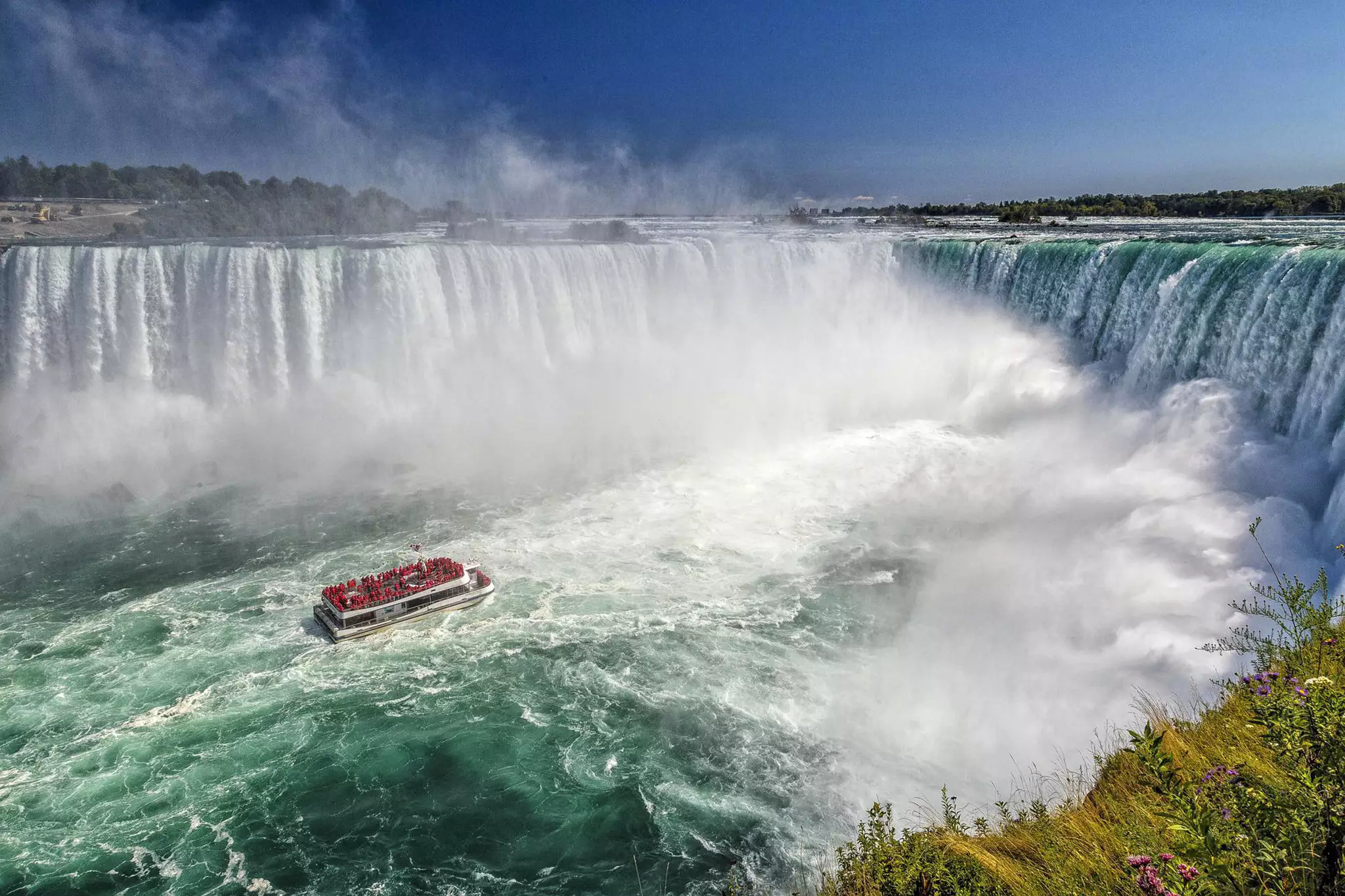
·        The Canadian side offers the best views of Niagara Falls. There are several observation decks, viewing areas, and a boardwalk that takes you right to the edge of the falls. You can also take a ride on the Maid of the Mist boat tour, which gets you up close and personal with the falls.

·        The American side offers different views of Niagara Falls than what you will see from the Canadian side. The most popular spot to view Niagara Falls on the American side is Goat Island, where you can walk out to the edge of Horseshoe Falls. Another great spot for views is Prospect Point Park, where you can get a bird’s eye view of all three waterfalls.

·        For something truly unique, take a trip aboard the Niagara Gorge Railway and enjoy panoramic views of Niagara Falls from above. It is a great way to see all three waterfalls at once and get an idea of how massive they are.

The Edge of the Niagara Falls

The edge of the falls is the best place to see the power of the water as it tumbles over the precipice. Several observation decks along the Niagara Gorge offer breathtaking views of the falls. The Rainbow Bridge, which spans the gorge just upstream from the falls, is a popular spot for picture-taking and boasts an up-close view of both the American and Horseshoe Falls.

Daredevils of Niagara Falls

Since the early days of Niagara Falls, people have been drawn to its raw power and beauty. Over the years, many have attempted to conquer the falls, often with tragic results. Here are some of the most famous (or infamous) daredevils who have taken on Niagara Falls:

·        Annie Edson Taylor was the first person to go over Niagara Falls in a barrel. She did it on her 63rd birthday in 1901 to achieve fame and fortune. Thankfully, she survived the stunt and lived to tell the tale.

·        Bobby Leach was the second person to went over Niagara Falls in a barrel. He did it in 1911 and also survived. Later he performed other stunts, including walking across a tightrope stretched over the falls.

·        Charles Stephens attempted to go over Niagara Falls in a barrel in 1920 but died during the attempt. His body is still missing.

·        Red Hill Sr., along with his son Red Hill Jr., became the first (and only) father and son duet, who went over Niagara Falls together in a barrel. They did it in 1951, and both survived.

·        Nik Wallenda became the first person to walk across Niagara Falls on a tightrope in 2012. He completed the stunt, which was televised live around the world.

How to get to Niagara Falls

Niagara Falls are located on the border between the United States and Canada, so there are a few different ways to reach them depending on your location.

If you are coming from the United States, the easiest way to get to Niagara Falls is by car. Several highways lead right to the falls, and once you cross the border into Canada, signs will point you in the right direction.

If you are coming from Toronto or another Canadian city, you can take a bus or train to Niagara Falls.

Once you arrive in Niagara Falls, there are plenty of ways to get up close and personal with the falls.

·        You can walk along the edges of the waterfall.

·        You can ride an elevator to the top of one of the falls for an incredible view.

·        You can also take a boat tour that takes you right into the spray of the falls.

Travel Guide for Niagara Falls

While planning a trip to Niagara Falls, there are a few things to know before visiting. Here is a travel guide for sightseers that will help you make the most of your trip:

When to Visit: The best time to visit Niagara Falls is during the summer season when the weather is warm and sunny. However, keep in mind that June through August are also the busiest months at Niagara Falls, so expect large crowds. If you want to avoid the crowds, plan your trip for September or October when the weather is still pleasant.

What to See: There is more to see at Niagara Falls than just the falls themselves. Be sure to take a ride on the Maid of the Mist boat tour for an up-close look at the powerful falls, and do not forget to visit Goat Island for some fantastic views. For something truly unique, check out 'Journey Behind the Falls', where you can stand inside a cave behind the raging waters of Horseshoe Falls.

What to Do: Other than sightseeing, there are plenty of other activities to enjoy at Niagara Falls. Take a walk along one of the many scenic trails, go whitewater rafting or tubing down the rapids, or take a helicopter.

Where to stay when visiting Niagara Falls

The first question you need to ask when trying to find accommodation in Niagara Falls is, how close to the Falls do you want to be?

If your priority is to walk out of your door and see the Falls, then you can stay in hotels like the Niagara Falls Marriott or the Sheraton on the Falls. Both of these come with a high price tag, so if you are looking for something more budget-friendly, there are plenty of other hotels located a little further away from the Falls. These hotels will still give you easy access to all the main attractions.

If you are hoping to do some wine touring, then it might be worth considering staying in Niagara-on-the-Lake. This quaint town, situated right in the middle of Ontario's wine country, offers visitors plenty of options for day trips and activities. There are also several good restaurants and cafes, as well as several bed and breakfasts if you are looking for a more intimate accommodation option.

No matter where you choose to stay, there is no doubt that Niagara Falls is an incredible destination that will leave you with memories to last a lifetime.

Conclusion

Niagara Falls is one of the world's most famous natural wonders and a must-see for any traveler. With its three massive waterfalls, Niagara Falls is one of the most famous waterfalls in the world to be visited once in a lifetime. This travel guide will help you make the most of your visit to Niagara Falls, from where to stay and what to do, to how to best experience this natural wonder. So start planning your trip to Niagara Falls today.