

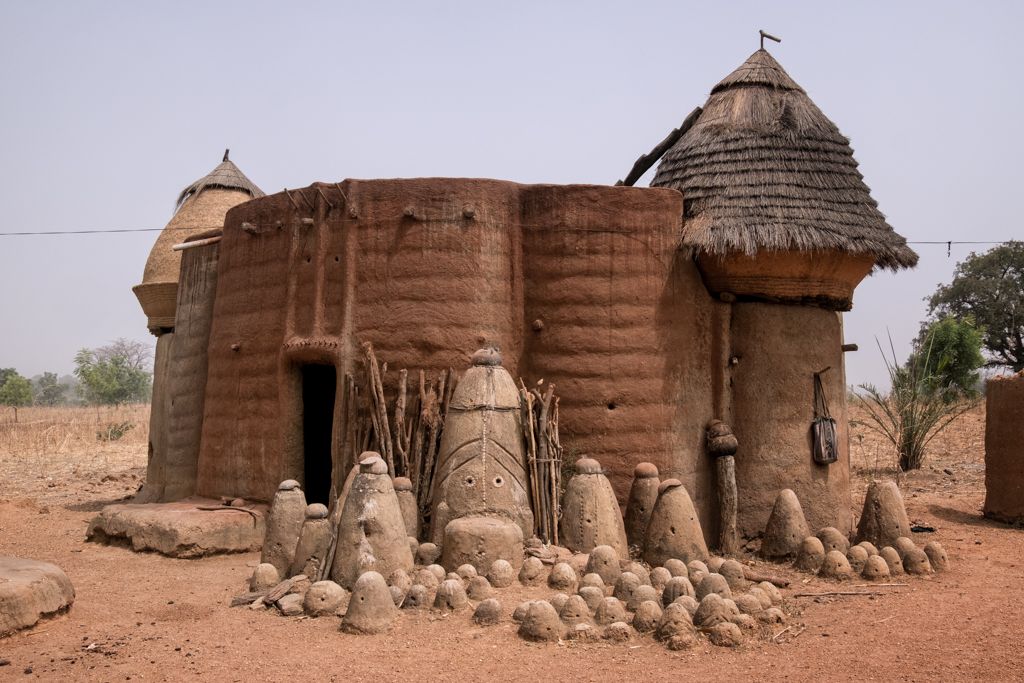
Koutammakou
Are you ready to explore a place that has been forgotten by time? Koutammakou, Togo, is an African village with a rich history, culture, and heritage waiting to be discovered. From the traditional architecture to the vibrant art scene, this remote village will take your breath away.
Despite its remote location, Koutammakou is slowly becoming more accessible to tourists. It was declared a UNESCO World Heritage Site in 2004, which has helped to increase awareness of the area. Read on to find out more about this fascinating destination in Togo.
Koutammakou, the Land of the Batammariba
Koutammakou, the Land of the Batammariba, is a UNESCO World Heritage site in northern Togo. The Batammariba are a traditional people who have lived in Koutammakou for centuries, and their way of life is intimately connected to the landscape.
The Batammariba are a unique people who live in traditional mud huts known as takienta. They are known for their extraordinary wood carving skills, elaborate hairstyles, and clothing.
Built into the sides of hills and mountains, the homes of this village feature small windows and doors to keep out the heat and protect against thieves. The thatched roofs are also designed to withstand heavy rains. Inside, the rooms are divided into small compartments that serve as bedrooms and storage areas.
The Batammariba have a deep respect for nature, which is reflected in their sustainable use of resources. They are also known for their healing traditions, which use plants and animals in the area. Koutammakou is an important cultural landscape that provides insights into the way of life of traditional African people.
Architecture of Koutammakou
In Koutammakou, the tower-house architecture, which is a mirror of social structure, the farms, the forest, and the connections between people and nature, make up the 50,000 hectares cultural landscape, which is unique.
Many of the structures have two stories, and the granaries have structures with nearly spherical forms rising from cylindrical bases. Some structures have flat roofs, while others have thatched conical roofs. They are gathered in communities, which also have places for ceremonies, springs, rocks, and initiation ceremony locations.
Significance of Koutammakou, Togo
Koutammakou is significant for its traditional mud architecture and its role in the trans-Saharan trade. Small, round, thatched huts characterize the Koutammakou landscape. These houses are built without nails or mortar and have walls made of packed earth and wood beams.
Koutammakou is also home to the Batammariba people, who are known for their wood carving skills. The Batammariba have a rich oral tradition and are known for their music and dance. Society's rituals and beliefs are closely tied to nature in this habitat.
Today, Koutammakou is a popular tourist destination. Tourists visit the traditional mud buildings and learn about the culture and history of the Batammariba people.
Location of Koutammakou in Togo
Koutammakou, also known as the "land of the Batammariba," is located in northern Togo, bordering Benin. It is an area of outstanding natural beauty, with its traditional mud and thatched houses nestled amongst rocky hills and wooded savannah.
Conclusion
Koutammakou is a unique African village with its own distinct culture and heritage. This remote community has been able to keep its traditions alive for centuries while adapting to the modern world around them. From traditional mud-brick houses, ancient customs and rituals, and vibrant festivals to rich artisanal craftsmanship, this fascinating place is sure to leave you in awe of the beauty of African culture.
Whether you are looking for a place to explore the past or just want to see a different side of Africa, Koutammakou in Togo is an unforgettable destination that will leave you with lifelong memories.

00 Comments
No comments yet.
Leave a Comment