

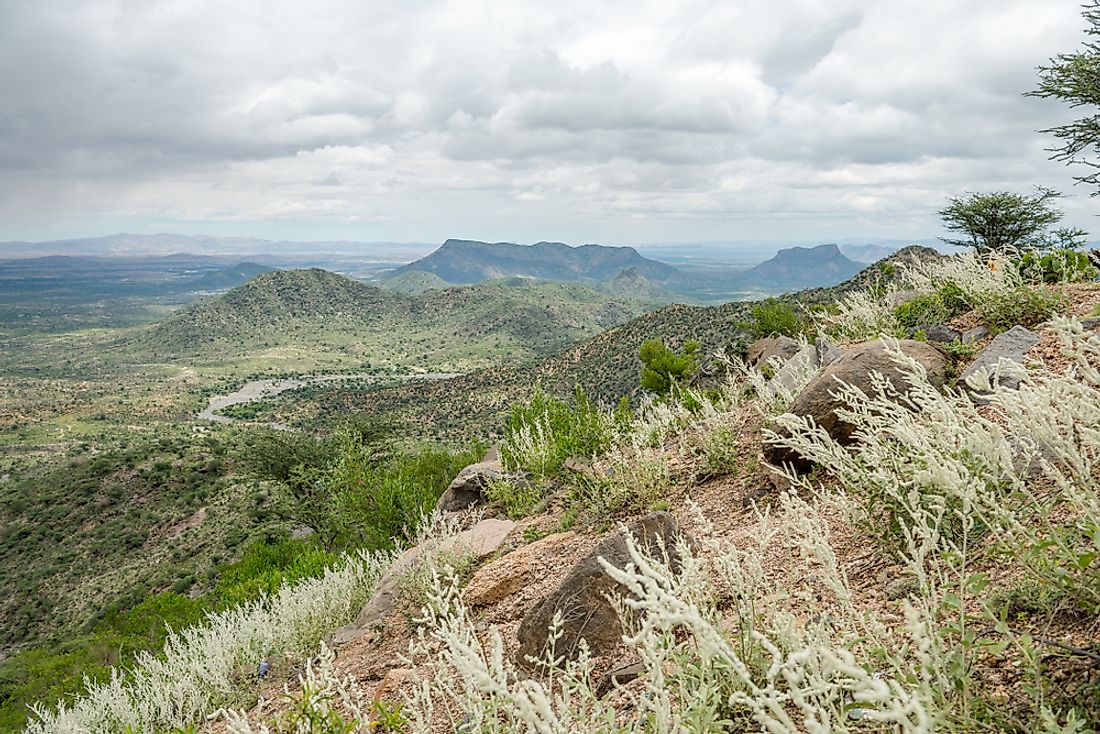
Lag Badana National Park
A variety of different natural ecosystems and wildlife may be found in Somalia, a nation in the Horn of Africa. Nevertheless, the nation has long been plagued by political unrest and violence, which has resulted in the devastation of natural resources and the loss of numerous plant and animal species. It is more crucial than ever to protect natural ecosystems and advance sustainable development.
The Lag Badana National Park, which is situated in the southern part of the country, is one of the most important protected areas in Somalia. With a size of over 3,340 square kilometers, this park is a hub for biodiversity and a paradise for outdoor enthusiasts.
In this article, we will explore the Lag Badana National Park in-depth, and look at its wildlife, and attractions.
Lag Badana National Park: A Brief Overview
The first national park created in the nation was Lag Badana. It is one of Somalia's biggest protected areas, with a total area of over 3,340 square kilometers in the southern part of the country. Several indigenous species can be found in this coastal national park, which is made up of dunes, grassland, and shrubland.
The Siad Barre administration's Ministry of Tourism worked to enhance the area around the park in the second half of the 1980s, with neighboring coral reefs and offshore islands also seen as important components.
Newer legislation controlling the creation of national parks, wildlife reserves, and special reserves had been drafted by 1989. The National Range Agency of the Ministry of Livestock, Forestry, and Range was in charge of managing wildlife resource conservation during the time. The country's Department of Wildlife also ran a separate law enforcement division that had been established by presidential decree.
The national park's development was halted in 1991 when the civil war broke out. The president of Somalia, Hassan Sheikh Mohamud, unveiled a variety of new development initiatives in August 2014. One of these was a plan to entrust youthful managers with the management of the national park in order to boost environmental preservation and prospective tourism opportunities. The protected area has been a recognized Lion Conservation Unit since 2005.
Wildlife of Lag Badana National Park
The Lag Badana National Park is a center for wildlife. A diversity of plant and animal species can be found in the park's thick forests, grasslands, and wetlands, which serve as habitats. The park is home to a number of uncommon and endangered animals, including monkeys, gazelles, hyenas, foxes, and birds. Ash's lark, the Obbia lark, Salt's lark, and dik-dik Speke's lark are the bird species found in the park.
More than 200 different vascular plant species can be found in the Lag Badana region, as well as unique animals like the lesser kudu. About 20 of the plants are endemic. For the protection of these species and the advancement of Somalia's biodiversity, the park must be preserved.
Activities and Attractions of Lag Badana National Park
Visitors can engage in a variety of activities and attractions at Lag Badana National Park. Popular activities include nature treks and walks, which offer the chance to explore the park's varied topography and spot wildlife. The park offers the chance to see some of the unique and endangered species that live there, making it a prime location for wildlife safaris.
Visitors to the area can also explore a number of other sites, including the historic ruins of the city of Bardera, the Juba River, and the nearby town of Baidoa.
Conclusion
Lag Badana National Park is a refuge for outdoor enthusiasts and a special place to see Somalia's unspoiled beauty. The park is a significant location for conservation efforts and a hotspot for biodiversity, offering habitat for rare and endangered species. Lag Badana National Park is a brilliant example of how this might be accomplished and is crucial for the future of Somalia in terms of protecting natural habitats and encouraging sustainable development. Visitors are urged to support ecotourism and advance the preservation of Somalia's natural riches.
00 Comments
No comments yet.
Leave a Comment