

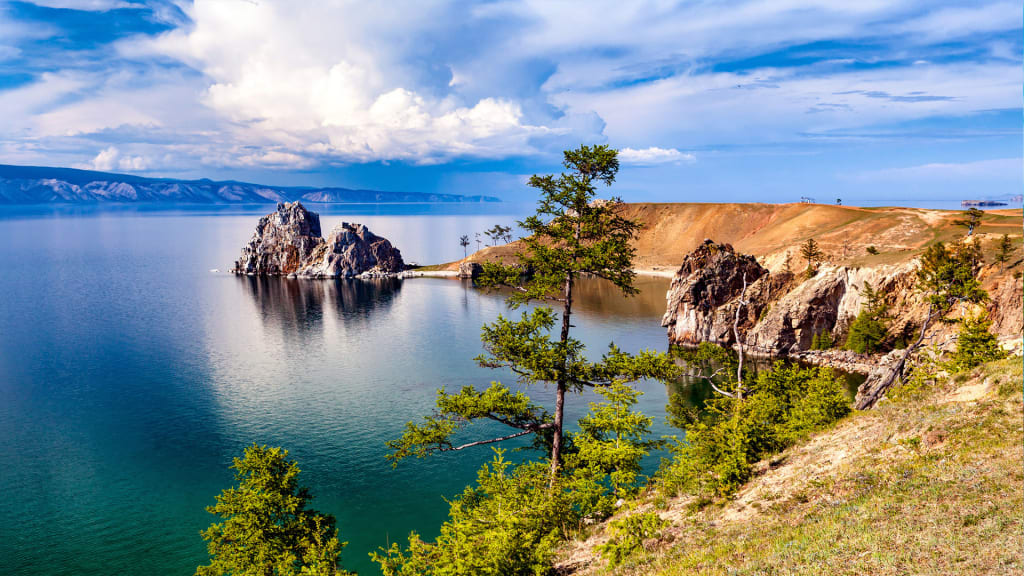
Lake Baikal
Introduction
Lake Baikal, located in Siberia, Russia, is one of the planet’s most extraordinary natural wonders. Known as the world’s deepest and oldest freshwater lake, Baikal holds approximately 20% of the Earth’s unfrozen freshwater supply. Its immense depth, crystal-clear waters, and ancient geological history make it a destination of global significance.
Often referred to as the “Galápagos of Russia” due to its unique biodiversity, Lake Baikal is more than just a lake—it is a vast natural ecosystem, a sacred landscape, and a symbol of Siberia’s untamed beauty. For travelers seeking dramatic scenery, pristine wilderness, and cultural authenticity, Lake Baikal offers an unforgettable experience.
Geographical and Environmental Significance
Lake Baikal lies in southern Siberia between Irkutsk Oblast and the Republic of Buryatia. Stretching over 636 kilometers (395 miles) in length and reaching a maximum depth of 1,642 meters (5,387 feet), it is officially the deepest lake in the world.
Formed around 25 million years ago, Baikal is also the oldest freshwater lake on Earth. It sits within a rift valley, created by tectonic plate movement that continues to widen the basin slowly each year. This geological uniqueness contributes to its remarkable clarity and ecological richness.
Recognized as a UNESCO World Heritage Site, Lake Baikal plays a crucial role in global freshwater ecosystems and climate regulation.
Landscapes and Natural Beauty
Lake Baikal’s landscapes are breathtaking in every season. Snow-capped mountains, dense taiga forests, rocky cliffs, and expansive steppe grasslands surround its deep blue waters.
One of the most iconic locations is Olkhon Island, the largest island in the lake and a spiritual center for local Buryat communities. The island features dramatic rock formations, sandy beaches, and panoramic viewpoints overlooking the vast lake.
During winter, Baikal transforms into a frozen masterpiece. The lake’s surface freezes into thick, transparent ice, creating surreal patterns of cracks and air bubbles trapped beneath. In summer, the lake sparkles under clear skies, ideal for hiking, boating, and wildlife observation.
Biodiversity and Unique Wildlife
Lake Baikal is home to more than 3,500 species of plants and animals, nearly two-thirds of which are found nowhere else on Earth. This extraordinary level of endemism makes Baikal one of the most biologically diverse freshwater ecosystems in the world.
The most famous resident is the Baikal seal, or nerpa—the only freshwater seal species on the planet. The lake also supports unique fish species such as omul, as well as countless invertebrates that contribute to its ecological balance.
Baikal’s microscopic organisms naturally filter the water, contributing to its legendary clarity, where visibility can exceed 40 meters in certain areas.
Cultural Heritage and Local Traditions
Lake Baikal holds deep spiritual significance for the indigenous Buryat people, who have lived in the region for centuries. Shamanistic traditions remain an important part of local culture, and sacred sites can be found along the lake’s shores.
Colorful prayer ribbons tied to trees and rock formations symbolize offerings to spirits believed to inhabit the natural landscape. The blend of Russian Orthodox influences and indigenous beliefs creates a rich cultural tapestry unique to the Baikal region.
Small villages around the lake offer insight into traditional Siberian life, where fishing, woodcraft, and local cuisine reflect a strong connection to nature.
Adventure and Outdoor Experiences
Lake Baikal is a paradise for outdoor enthusiasts. In summer, visitors can kayak across calm bays, hike scenic trails along the Great Baikal Trail, or take boat excursions to explore hidden coves.
Winter offers entirely different adventures, including ice skating across the frozen lake, snowmobiling, and exploring ice caves formed along the shoreline. The clarity of the ice reveals mesmerizing patterns, making winter photography especially popular.
Camping beneath star-filled Siberian skies provides a sense of remoteness rarely found elsewhere in the world.
Sustainability and Conservation Efforts
Protecting Lake Baikal’s fragile ecosystem is a global priority. Environmental organizations and local authorities work to reduce industrial pollution, regulate tourism, and promote sustainable development.
Several protected areas and national parks surround the lake, preserving wildlife habitats and maintaining ecological balance. Responsible tourism practices encourage visitors to respect the environment, minimize waste, and support local communities.
Conservation efforts aim to ensure that Baikal’s pristine waters and biodiversity remain intact for generations to come.
Best Time to Visit Lake Baikal
The best time to visit Lake Baikal depends on the type of experience travelers seek.
- June to September offers mild temperatures and ideal conditions for hiking, boating, and sightseeing.
- January to March provides the iconic frozen-lake experience, with dramatic ice formations and winter sports opportunities.
Each season reveals a different character of Baikal, making it a year-round destination for nature lovers.
How to Get Around
The nearest major city is Irkutsk, which serves as the primary gateway to Lake Baikal. Flights connect Irkutsk to Moscow and other major Russian cities.
From Irkutsk, travelers can reach lakeside villages such as Listvyanka or access Olkhon Island by bus, ferry, or private transport. Local tours provide guided excursions around the lake’s key attractions.
Why Lake Baikal Belongs on Your Travel Bucket List
Lake Baikal is not just the world’s deepest lake—it is a natural monument shaped by millions of years of geological evolution. Its unmatched biodiversity, spiritual heritage, and breathtaking scenery create a travel experience rooted in authenticity and awe.
For those seeking untouched wilderness, rare wildlife, and profound natural beauty, Lake Baikal stands as one of Earth’s most remarkable destinations.
Conclusion
Lake Baikal, Russia, represents one of the greatest natural treasures on the planet. From its immense depth and ancient origins to its unique wildlife and cultural traditions, Baikal offers an immersive journey into Siberia’s wild heart. Whether visited in the glow of summer sunlight or the crystalline silence of winter ice, Lake Baikal remains a destination that inspires wonder and respect for the power of nature.
00 Comments
No comments yet.
Leave a Comment