

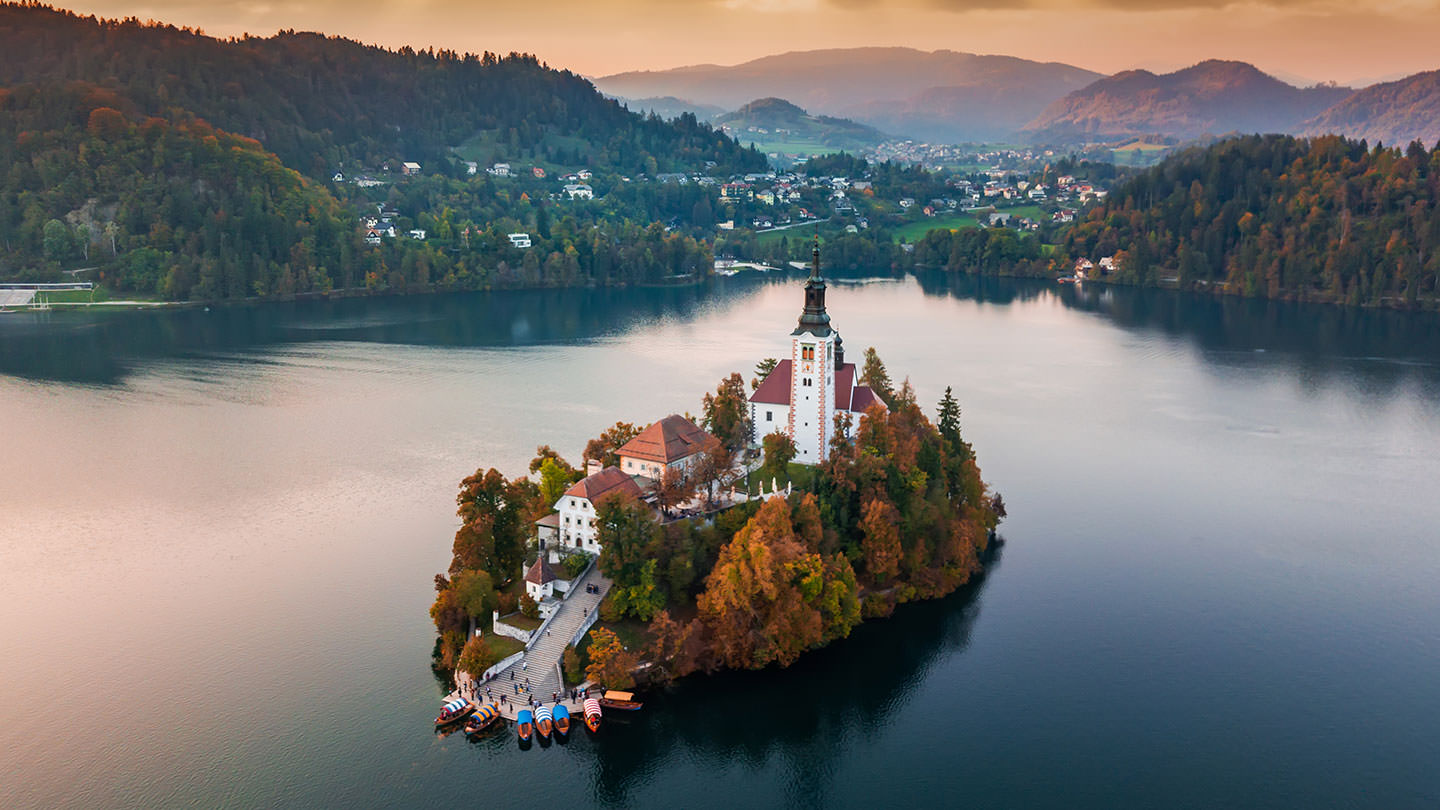
Lake Bled
Introduction
Lake Bled is one of Europe’s most enchanting destinations, often described as a real-life fairytale setting. Located in northwestern Slovenia, this emerald-green alpine lake is framed by snow-capped peaks, dense forests, and a medieval castle perched dramatically atop a cliff. At the center of the lake lies a tiny island crowned with a charming church, creating one of the most photographed landscapes in Central Europe.
Despite its postcard-perfect beauty, Lake Bled is more than just a scenic stop. It represents a harmonious blend of natural wonder, cultural heritage, outdoor adventure, and sustainable tourism. For travelers seeking a peaceful European escape filled with history, romance, and alpine scenery, Lake Bled stands as one of Slovenia’s most iconic destinations.
Geographical and Environmental Significance
Lake Bled lies at the foothills of the Julian Alps in northwestern Slovenia, approximately 55 kilometers from the capital city. The lake was formed during the last Ice Age, shaped by glacial activity that carved out its basin thousands of years ago. Today, its clear waters reflect the surrounding peaks and forests, creating a tranquil alpine environment.
Measuring about 2 kilometers long and 1.4 kilometers wide, the lake maintains a mild alpine climate. Summers are pleasantly warm, making it ideal for swimming and rowing, while winters bring snow that transforms the region into a magical winter landscape.
The surrounding Triglav National Park enhances the lake’s ecological value. Protected forests, mountain trails, and alpine meadows contribute to biodiversity and sustainable land management. The region demonstrates Slovenia’s strong commitment to environmental preservation, ensuring that Lake Bled remains pristine for future generations.
Landscapes and Heritage
The defining feature of Lake Bled is its island, known as Bled Island, the only natural island in Slovenia. Accessible by traditional wooden boats called pletnas, the island houses the iconic Church of the Assumption. Visitors often ring the church’s wishing bell, a tradition rooted in local legend that promises good fortune.
Towering above the lake is Bled Castle, Slovenia’s oldest castle. Perched on a 130-meter cliff, it offers panoramic views of the lake, island, and surrounding mountains. The castle’s museum, chapel, and terraces provide insight into the region’s medieval past.
Walking around the lake’s 6-kilometer circular path reveals constantly changing perspectives. Wooden piers, forested stretches, and quiet coves allow visitors to fully appreciate the lake’s peaceful charm. Each angle presents a new frame worthy of photography.
Cultural Identity and Traditions
Lake Bled has long been associated with romance and folklore. Legends speak of a grieving widow who built the island church in memory of her husband, adding a mystical aura to the destination. Over centuries, the lake became a retreat for European aristocracy and later a symbol of Slovenian national identity.
Traditional wooden pletna boats are operated by local families whose skills are passed down through generations. This living tradition connects modern tourism with centuries-old craftsmanship.
Festivals and seasonal events, including summer concerts and winter celebrations, bring the lakeside community together. Despite growing international recognition, Lake Bled maintains a strong sense of local pride and cultural continuity.
Cuisine of Lake Bled and Alpine Slovenia
No visit to Lake Bled is complete without tasting the famous Bled cream cake, known locally as kremšnita. This delicate dessert, layered with custard and cream, has become a culinary symbol of the region.
Slovenian cuisine around Lake Bled reflects alpine influences. Hearty soups, freshwater fish, wild mushrooms, and locally sourced cheeses dominate menus. Traditional dishes often incorporate seasonal ingredients and regional flavors.
Many restaurants emphasize farm-to-table practices, supporting local producers and sustainable agriculture. Dining with a lakeside view enhances the experience, blending culinary pleasure with natural beauty.
Adventure and Outdoor Activities
Beyond its scenic appeal, Lake Bled is an outdoor enthusiast’s paradise. Visitors can swim in the lake during summer months, rent rowboats, or paddleboard across calm waters. The circular walking and cycling path around the lake offers an easy yet scenic activity suitable for all ages.
For those seeking elevation, hiking trails lead into the Julian Alps, providing spectacular viewpoints overlooking the lake. Popular vantage points such as Ojstrica and Mala Osojnica reward hikers with panoramic vistas that capture the essence of Slovenia’s alpine charm.
Winter transforms Lake Bled into a peaceful snow-covered retreat. Nearby ski resorts and cross-country trails attract visitors looking for winter sports combined with cozy lakeside relaxation.
Sustainability and Eco-Tourism
Slovenia is widely recognized as one of Europe’s greenest countries, and Lake Bled exemplifies this commitment. Sustainable tourism initiatives focus on reducing environmental impact while maintaining high-quality visitor experiences.
The lake’s waters are carefully monitored for cleanliness, and infrastructure development is regulated to preserve natural views. Cycling paths, electric transport options, and eco-certified accommodations support environmentally conscious travel.
Local authorities and tourism boards promote responsible tourism practices, encouraging visitors to respect wildlife, minimize waste, and protect natural landscapes. This balance between accessibility and preservation strengthens Lake Bled’s long-term sustainability.
Best Time to Visit Lake Bled
Lake Bled is a year-round destination, each season offering a distinct atmosphere.
- Spring (April to June): Blooming flowers and fewer crowds create ideal sightseeing conditions.
- Summer (July to August): Warm temperatures make swimming and boating popular, though it is the busiest season.
- Autumn (September to October): Vibrant foliage enhances the lake’s romantic ambiance.
- Winter (December to February): Snow-covered mountains and festive lights create a magical holiday setting.
For balanced weather and moderate crowds, late spring and early autumn are considered the best times to visit.
How to Get There and Around
Lake Bled is easily accessible from Slovenia’s capital, Ljubljana, which lies less than an hour away by car or bus. Ljubljana Jože Pučnik Airport connects Slovenia to major European cities.
Once at the lake, most attractions are within walking distance. Renting bicycles provides a convenient way to explore surrounding areas. Organized tours also connect Lake Bled with nearby attractions such as Lake Bohinj and Triglav National Park.
The compact layout and well-maintained paths make navigation simple and enjoyable.
Why Lake Bled Belongs on Your Travel Bucket List
Lake Bled combines natural beauty, cultural depth, and accessibility in one compact destination. Its island church, cliffside castle, and alpine setting create an image so perfect it feels almost unreal.
Unlike many over-commercialized European hotspots, Lake Bled retains a sense of tranquility and authenticity. Visitors can experience romance, adventure, and relaxation within a single day.
Whether rowing to the island, hiking to panoramic viewpoints, or enjoying a slice of kremšnita by the water, travelers leave with lasting memories of Slovenia’s fairytale lake.
Conclusion
Lake Bled, Slovenia, stands as one of Europe’s most captivating alpine destinations. From the iconic island church and historic Bled Castle to the surrounding Julian Alps and emerald waters, every element contributes to its fairytale atmosphere. Beyond its beauty, the lake reflects Slovenia’s commitment to sustainability, tradition, and cultural pride.
For travelers seeking romance, adventure, and scenic tranquility in the heart of Europe, Lake Bled offers an unforgettable escape. It is not merely a beautiful lake—it is a timeless symbol of alpine charm and Slovenian heritage.
00 Comments
No comments yet.
Leave a Comment