

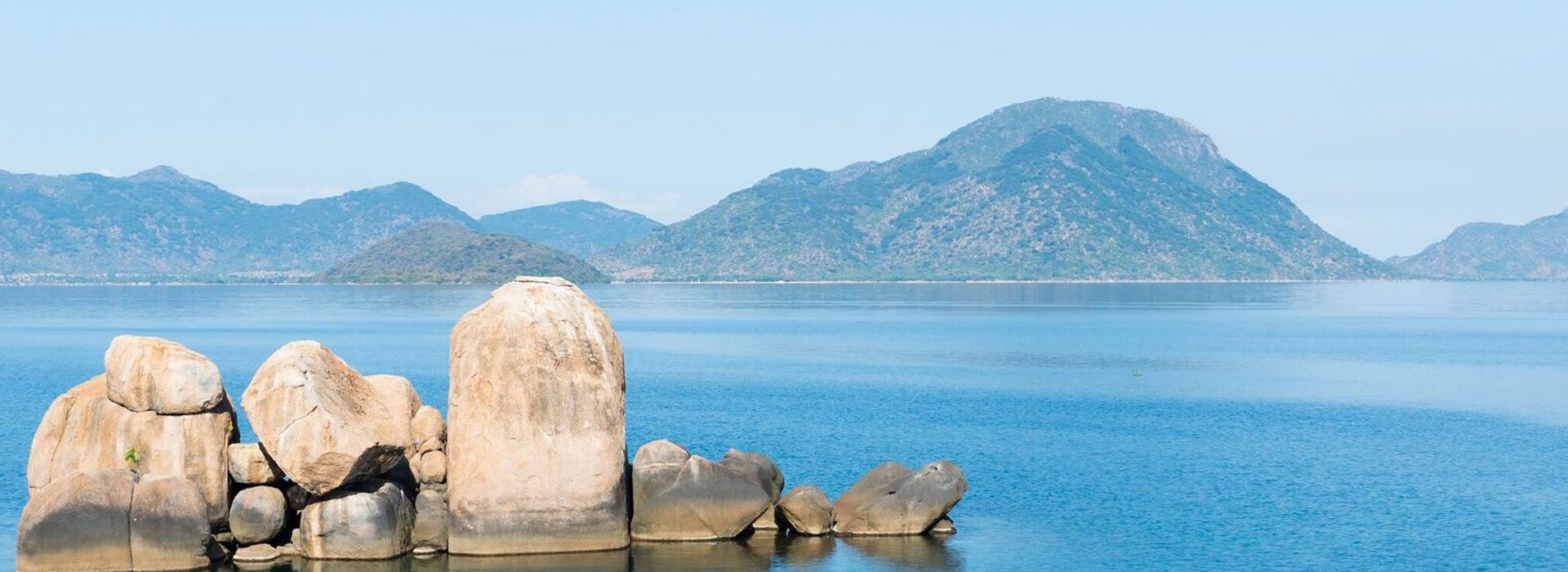
Lake Malawi National Park
If you are looking for a truly unique wildlife adventure, then look no further than the Lake Malawi National Park. Located in southern Africa, this World Heritage Site is home to some of the most breathtaking landscapes and extraordinary creatures on the planet. From majestic fish to primates that have never been seen before, Lake Malawi National Park is one of the few remaining places where nature still reigns supreme.
This travel guide will help to explore all the amazing things you can do when visiting this incredible Lake Malawi National Park. So pack your bags and get ready for an once-in-a-lifetime journey!
Lake Malawi National Park: A Brief Introduction
Lake Malawi National Park, which covers an area of 94 square kilometers, was established in 1984 and is located at the extreme south of Lake Malawi. The Great Rift Valley is home to Lake Malawi. The lake has a maximum depth of 700 meters (2,300 feet) and is among the deepest lakes in the world. It is located 500 meters (1,640 feet) above the sea.
The park contains diverse habitats, including sandy beaches, rocky shores, forests, and grasslands. It is home to various wildlife, including primates, antelopes, birds, and reptiles.
The park is best known for its abundant fish population, which includes over 350 species of cichlids. Lake Malawi is the only freshwater lake in the world with a large number of cichlid species. Many of these fish are brightly colored and are popular among aquarium enthusiasts.
In addition to its abundance of wildlife, Lake Malawi National Park also offers stunning views of the lake and surrounding mountains. Visitors can enjoy activities such as swimming, snorkeling, hiking, and bird watching.
History of the Lake Malawi National Park
The Lake Malawi National Park was designated a World Heritage Site in 1984. Lake Malawi was earlier known as Lake Nyassa, and Dr. David Livingstone became the first European to view it in 1859. By 1875, the Scottish Presbyterian Church had established a mission on Cape Maclear. Livingstone reportedly loved to preach and converse with other missionaries under a large baobab tree that is over 800 years old. The area also contains the tombs of five early missionaries.
The Lake Malawi National Park was established to protect the unique fish species in the lake. Over time, the park has expanded to include other conservation objectives, such as protecting the wildlife and habitats found on the shores of the lake.
Fauna of the Lake Malawi National Park
The Lake Malawi National Park is a World Heritage Site located in the southern part of the country. The park covers an area of 94 square kilometers and includes the entire lake. The lake is Africa’s third-largest inland body of water and is home to more fish species than any other lake in the world.
The park’s diverse ecosystem comprises evergreen forests, savannah grasslands, and swampy wetlands. It’s a haven for wildlife, with over 1000 species of birds, reptiles, and mammals. Some of the most popular animals to spot are the vervet monkeys, hippos, crocodiles, and African fish eagles.
90% of the lake's approximately 1000 fish species are unique, making Lake Malawi the fishery with the greatest diversity in the entire world. The lake is, therefore, of significant interest to scientists who study evolution. Baboons and a historical baobab tree near which David Livingstone preaches are two of the highlights of the Lake Malawi National Park.
Things to Do in the Lake Malawi National Park
Lake Malawi National Park is home to abundant wildlife and is a popular tourist destination. The park offers many activities for visitors, including hiking, kayaking, scuba diving, snorkeling, and bird-watching.
· Scuba diving: Divers worldwide travel to the lake to practice their sport. Scuba diving is available at many facilities near the lake for very affordable rates. Some even provide night dives, which are incredibly well-liked because so many nocturnal species emerge to play during this time.
· Water sports: Various resorts provide a variety of water sports. A few will provide motorized sports, like wakeboarding and tubing, while the majority will offer non-powered activities, like kayaking.
· Hiking: The national park has a few hiking routes nearby. The views from each are breathtaking and satisfying. Although it won't be extremely challenging, drink plenty of water.
· Snorkeling: The best way to see some rare fish is through diving, but if you are not PADI certified, don't worry! By simply wearing a snorkel mask, you can see a lot due to the beautiful clarity of the seas.
· Kayaking: Why not pack a lunch and set out to see the islands around Malawi in a kayak? If you explore the Lake Malawi coastline, you might observe many water birds and fish eagles fishing.
Bird watching is also a popular pastime in the park, as many different species of birds can be seen.
How to Get to the Lake Malawi National Park
The best way to get to Lake Malawi National Park is by plane. The nearest airport is in Lilongwe and then take a domestic flight to Monkey Bay Airport. From there, it is a short drive or boat ride to the park.
Once you are at the park, there are several ways to get around. If you are planning on hiking, you should bring along a good pair of walking shoes.
Conclusion
Lake Malawi National Park is one of the world's most beautiful and peaceful places. It is home to some of the world's most unique wildlife, making it a great destination for travelers looking for an adventure or just a place to relax and soak up nature. With its many activities like snorkeling, diving, birdwatching, and hiking trails through lush forests and along the lake's shoreline, Lake Malawi National Park has something to offer everyone who visits.
Whether you are looking for a weekend getaway or an extended stay in paradise - this World Heritage Site should be on your list!
00 Comments
No comments yet.
Leave a Comment