

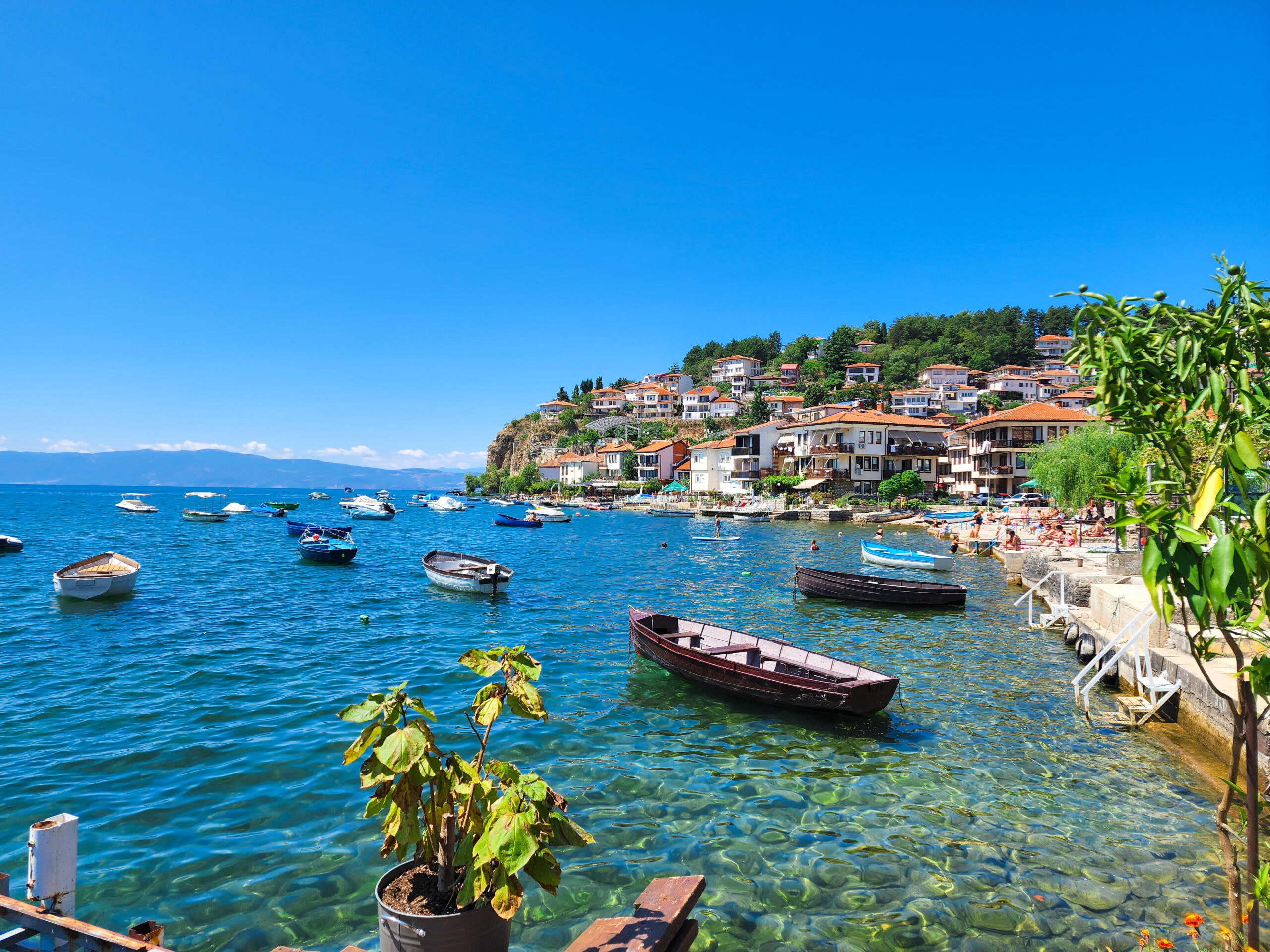
Lake Ohrid
Introduction
Nestled between the mountainous landscapes of North Macedonia and Albania, Lake Ohrid is one of Europe's oldest, deepest, and most biologically diverse lakes. Often referred to as Europe’s Ancient Lake, this breathtaking destination has existed for an estimated 1.3 to 2 million years, making it one of the oldest continuously existing lakes on Earth.
Unlike many popular European destinations, Lake Ohrid remains a peaceful paradise where crystal-clear waters meet medieval towns, Byzantine churches, hidden beaches, and dramatic mountain scenery. The lake's remarkable age has allowed hundreds of unique species to evolve in isolation, earning it recognition as one of the world's most important freshwater ecosystems.
A UNESCO World Heritage Site celebrated for both its cultural and natural significance, Lake Ohrid offers visitors an unforgettable blend of history, adventure, wildlife, and stunning landscapes. Whether you're exploring centuries-old monasteries, sailing across sapphire-blue waters, hiking panoramic mountain trails, or enjoying authentic Balkan cuisine, Lake Ohrid promises one of Europe's most rewarding travel experiences.
If you're searching for a destination that combines ancient history, spectacular scenery, and fewer crowds, this Lake Ohrid travel guide will show you why Europe's ancient lake deserves a place on your bucket list.
Where Is Lake Ohrid? Geography and Natural Landscape
Lake Ohrid lies on the border between North Macedonia and Albania in the heart of the Balkan Peninsula.
Covering approximately 358 square kilometers, it reaches depths of nearly 300 meters, making it one of Europe's deepest lakes.
The lake is surrounded by forested mountains, limestone cliffs, charming lakeside villages, and protected national parks that create breathtaking scenery throughout the year.
Its exceptionally clear water, with visibility often exceeding 20 meters, is fed primarily by underground springs originating from nearby Lake Prespa.
The combination of ancient geology, pristine waters, and dramatic mountain landscapes makes Lake Ohrid one of Europe's most beautiful freshwater destinations.
Why Is Lake Ohrid Famous?
Lake Ohrid is internationally renowned for its extraordinary age, biodiversity, and cultural heritage.
It is famous for:
- One of the oldest lakes on Earth
- UNESCO World Heritage status
- Crystal-clear freshwater
- More than 200 endemic species
- Medieval churches and monasteries
- Historic lakeside towns
- Exceptional biodiversity
- Beautiful mountain scenery
- Traditional Balkan culture
- Scenic boat cruises
Its rare combination of natural beauty and historical significance makes Lake Ohrid one of Europe's most unique travel destinations.
The Ancient History of Lake Ohrid
Scientists estimate that Lake Ohrid formed between 1.3 and 2 million years ago, making it one of only a handful of ancient lakes that have survived multiple ice ages.
Because the lake has remained remarkably stable over millions of years, it has become a living laboratory for evolutionary research.
Human settlements around the lake date back thousands of years, with archaeological discoveries revealing prehistoric communities, Roman influence, Byzantine civilization, and medieval kingdoms.
For centuries, the lake served as an important crossroads connecting trade, religion, and culture across the Balkans.
Today, its rich historical legacy continues to attract historians, archaeologists, and travelers from around the world.
Top Attractions Around Lake Ohrid
Ohrid Old Town – The Cultural Heart of the Lake
The historic Ohrid is one of Europe's oldest continuously inhabited settlements.
Its cobbled streets, traditional stone houses, medieval churches, and panoramic lake views create a timeless atmosphere.
Visitors can wander through charming alleyways, explore artisan shops, enjoy lakeside cafés, and admire centuries of architectural heritage.
Ohrid's historic center forms an essential part of the UNESCO World Heritage Site.
Church of St. John at Kaneo – The Icon of Lake Ohrid
Perched dramatically on a cliff overlooking the lake stands Church of St. John at Kaneo, one of the most photographed landmarks in the Balkans.
Built during the 13th century, the church combines Byzantine and Armenian architectural influences.
Its breathtaking setting above the crystal-clear lake creates one of Europe's most iconic travel photographs, especially during sunrise and sunset.
Monastery of Saint Naum – A Spiritual Sanctuary
Located near the Albanian border, Monastery of Saint Naum is one of North Macedonia's most important religious sites.
Founded in the 10th century, the monastery overlooks the southern shores of the lake and is surrounded by beautiful gardens, natural springs, and peacocks.
Boat trips from Ohrid to Saint Naum rank among the lake's most popular excursions.
The nearby springs feeding Lake Ohrid produce astonishingly clear turquoise water.
Bay of Bones Museum – A Journey into Prehistoric Europe
One of the lake's most fascinating attractions is the Bay of Bones Museum.
This reconstructed prehistoric settlement stands on wooden platforms above the water, recreating a Bronze and Iron Age lakeside village.
Visitors can explore ancient homes, artifacts, and an underwater archaeological site that offers insight into early human life around Lake Ohrid.
The museum provides a unique educational experience for history enthusiasts.
Wildlife and Biodiversity in Lake Ohrid
Lake Ohrid is one of Europe's most important biodiversity hotspots.
Because of its immense age and long-term ecological stability, the lake supports more than 200 endemic species found nowhere else on Earth.
Notable wildlife includes:
- Ohrid Trout
- Endemic freshwater snails
- Rare crustaceans
- Native algae
- Freshwater mussels
- Numerous migratory birds
The surrounding wetlands and forests also provide habitats for herons, cormorants, pelicans, and other bird species.
Scientists continue to study Lake Ohrid because it offers valuable insights into evolution and freshwater ecosystems.
Best Things to Do at Lake Ohrid
Lake Ohrid offers activities suitable for every traveler.
Popular experiences include:
- Boat cruises across the lake
- Swimming in crystal-clear waters
- Paddleboarding and kayaking
- Visiting medieval churches
- Exploring Ohrid Old Town
- Hiking panoramic mountain trails
- Birdwatching
- Scuba diving
- Photography
- Sunset lakeside dining
Whether seeking relaxation or adventure, visitors will find countless memorable experiences around the lake.
Local Food and Balkan Culture
The Lake Ohrid region is renowned for its warm hospitality and rich culinary traditions.
Fresh fish, particularly the famous Ohrid trout (where sustainably available), forms a centerpiece of local cuisine.
Visitors can also enjoy grilled meats, stuffed peppers, fresh salads, homemade cheeses, pastries, and traditional Balkan desserts.
Family-run restaurants overlooking the lake offer authentic dining experiences featuring locally produced wines and regional specialties.
Traditional music festivals, artisan markets, and religious celebrations showcase the area's vibrant cultural heritage.
Sustainable Tourism and Conservation
Protecting Lake Ohrid's fragile ecosystem remains a top conservation priority.
Its UNESCO World Heritage status recognizes both its natural and cultural importance.
Environmental programs focus on preserving water quality, protecting endemic species, and promoting sustainable tourism.
Visitors are encouraged to avoid littering, support eco-friendly accommodations, respect wildlife, and help preserve archaeological sites.
Responsible tourism ensures that this ancient lake continues to thrive for future generations.
Best Time to Visit Lake Ohrid (Month-by-Month Guide)
The best time to visit Lake Ohrid is between May and September.
Summer offers warm weather perfect for swimming, boating, kayaking, and outdoor dining.
Spring brings blooming landscapes and pleasant hiking conditions.
Autumn features colorful foliage, mild temperatures, and fewer tourists, making it an excellent season for sightseeing.
Winter transforms the lakeside towns into peaceful retreats, offering a quieter experience and beautiful mountain scenery.
Every season reveals a different side of Lake Ohrid's timeless beauty.
How to Get to Lake Ohrid
The main gateway is the city of Ohrid, which is served by Ohrid St. Paul the Apostle Airport.
Visitors can also travel by road from Skopje, Tirana, and other major Balkan cities.
Regular buses, rental cars, and organized tours provide convenient access to the lake and its surrounding attractions.
Boat services also connect many lakeside villages and historical sites.
Why Visit Lake Ohrid?
Lake Ohrid offers one of Europe's most complete travel experiences. Its ancient waters, UNESCO-listed heritage, medieval architecture, crystal-clear beaches, endemic wildlife, and spectacular mountain scenery combine to create a destination unlike any other on the continent.
Whether you're exploring centuries-old monasteries, cruising across one of the world's oldest lakes, hiking scenic viewpoints, or enjoying authentic Balkan cuisine, every moment around Lake Ohrid feels both relaxing and enriching.
For history lovers, photographers, adventure seekers, and travelers searching for Europe's hidden gems, Lake Ohrid is an unforgettable destination.
Conclusion
Lake Ohrid is far more than a beautiful lake—it's a living monument to Earth's natural history and one of Europe's greatest cultural treasures. From the medieval charm of Ohrid Old Town and the cliffside beauty of the Church of St. John at Kaneo to the pristine waters, rare wildlife, and million-year-old ecosystem, every corner of the region tells a remarkable story.
Its extraordinary blend of history, biodiversity, adventure, and breathtaking landscapes makes it one of the Balkans' most rewarding destinations.
For anyone looking to discover one of Europe's oldest, most beautiful, and least crowded natural wonders, Lake Ohrid truly deserves its title as Europe’s Ancient Lake.

00 Comments
No comments yet.
Leave a Comment