

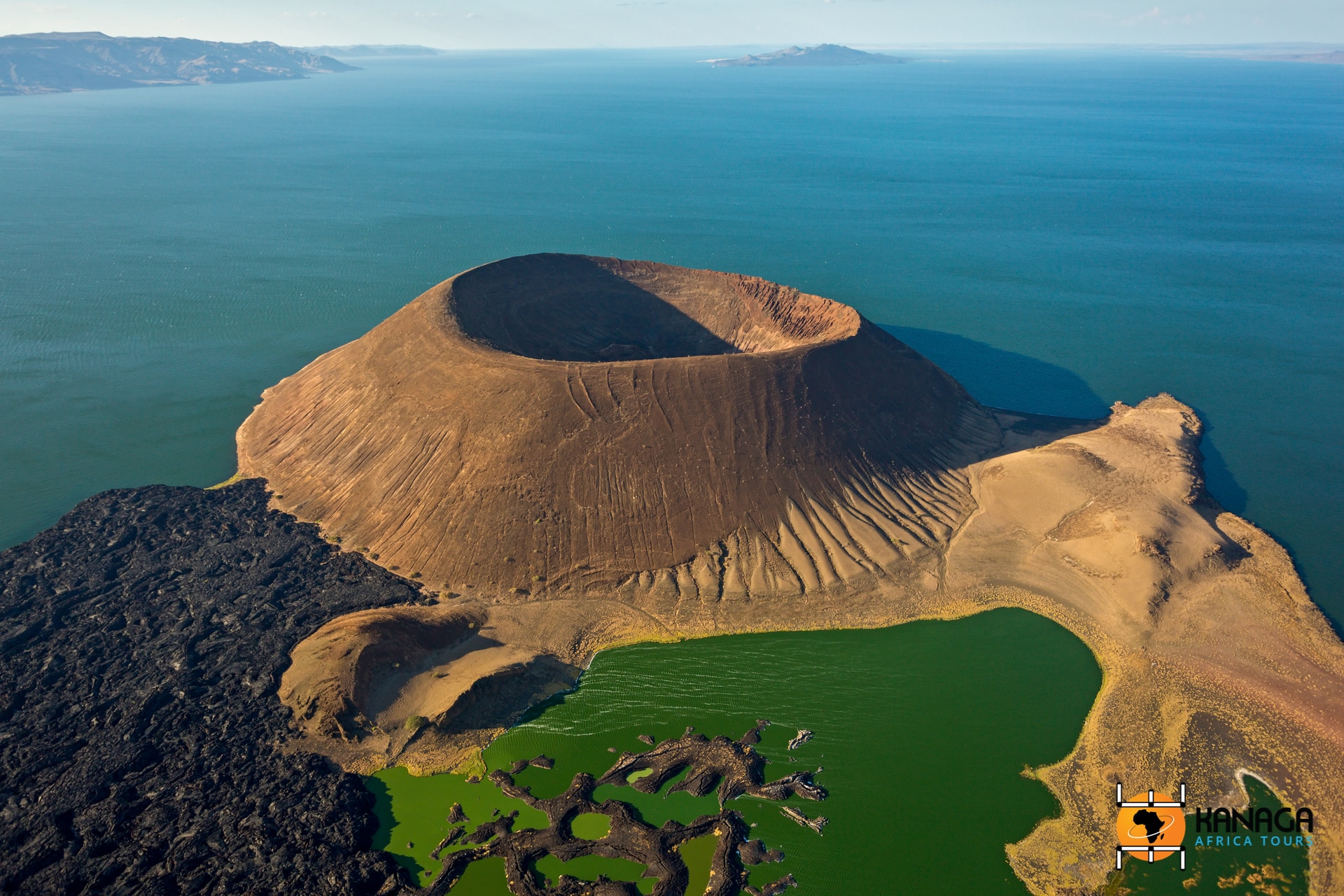
Lake Turkana
Introduction
Deep within the remote deserts of northern Kenya lies one of Africa’s most extraordinary and least-explored natural wonders—Lake Turkana. Known as “The Jade Sea” because of its shimmering blue-green waters, this massive desert lake offers a landscape unlike anywhere else on Earth.
Surrounded by volcanic plains, lava fields, and rugged mountains, Lake Turkana is the world’s largest permanent desert lake and the largest alkaline lake on the planet. Its isolated location and dramatic scenery create an atmosphere of raw wilderness and timeless beauty.
Beyond its striking appearance, Lake Turkana is also one of the most scientifically important places in human history, often referred to as the “Cradle of Mankind” due to major archaeological discoveries in the surrounding region.
For adventurous travelers, photographers, historians, and nature lovers, Lake Turkana offers a journey into one of Africa’s last great untouched frontiers.
Geography and Environment
Lake Turkana is located in northern Kenya, extending toward the Ethiopian border within the Great Rift Valley system.
The lake stretches over 250 kilometers in length and is surrounded by harsh desert landscapes, volcanic hills, and rocky plains. Its remote location contributes to its untouched and wild character.
The lake’s distinctive jade-green color is caused by algae and mineral-rich waters reflecting the intense African sunlight.
The climate around Lake Turkana is extremely hot and dry, with temperatures often rising above 40°C. Strong desert winds regularly sweep across the lake, creating dramatic waves and constantly changing weather conditions.
Despite the harsh environment, the lake supports unique ecosystems and human communities that have adapted to life in one of Africa’s most challenging regions.
Volcanic Landscapes and Geological Wonders
The region surrounding Lake Turkana is shaped by volcanic activity and tectonic forces linked to the Great Rift Valley.
Black lava fields, volcanic cones, and rocky escarpments dominate much of the landscape, giving the area an almost prehistoric appearance.
One of the most striking locations is Central Island National Park, a volcanic island within the lake known for its crater lakes and dramatic scenery.
Another important feature is South Island National Park, home to rugged volcanic terrain and important wildlife habitats.
These volcanic landscapes create a unique contrast with the shimmering waters of the Jade Sea.
Wildlife and Unique Ecosystem
Despite its desert surroundings, Lake Turkana supports remarkable biodiversity.
The lake is famous for its large population of Nile Crocodile, making it one of the most important crocodile habitats in the world.
The waters also contain fish species that support local fishing communities, while migratory birds frequently visit the lake’s shores and islands.
Flamingos, pelicans, herons, and other bird species thrive in the lake’s wetlands and shallow areas.
The surrounding desert ecosystem supports reptiles, small mammals, and hardy vegetation adapted to extreme heat and drought.
This combination of desert and aquatic life creates one of Africa’s most unusual ecological environments.
Archaeology and the Cradle of Humanity
Lake Turkana is globally significant for its role in the study of human evolution.
The surrounding region contains some of the world’s most important archaeological and fossil sites, including Koobi Fora, where numerous early human fossils have been discovered.
These findings have provided crucial insights into the origins and development of humankind.
The lake’s ancient sediments preserve millions of years of geological and evolutionary history, making the region one of the most important paleoanthropological areas on Earth.
Because of its scientific importance, parts of the Lake Turkana region have been recognized as UNESCO World Heritage Sites.
Indigenous Cultures and Tribal Heritage
Lake Turkana is home to several indigenous communities, including the Turkana, El Molo, Dassanech, and Rendille peoples.
These communities have adapted to the extreme desert environment through fishing, pastoralism, and traditional survival techniques.
The Lake Turkana Cultural Festival celebrates the traditions, music, dance, and heritage of the region’s tribes, bringing together diverse cultures in a colorful event.
Traditional clothing, beadwork, and ceremonies reflect deep cultural connections to the lake and surrounding land.
For visitors, interacting with local communities offers valuable insight into one of Africa’s most culturally rich and remote regions.
Adventure and Exploration
Traveling to Lake Turkana is a true expedition into remote Africa.
The journey often involves long drives through desert roads, volcanic landscapes, and isolated settlements.
Boat trips across the lake provide opportunities to explore volcanic islands, observe wildlife, and experience the vastness of the Jade Sea.
Camping beneath the desert stars and watching dramatic sunsets over the lake create unforgettable memories.
Photography is especially rewarding due to the lake’s vivid colors, rugged landscapes, and unique tribal cultures.
For adventurous travelers seeking destinations far beyond mainstream tourism, Lake Turkana offers a rare sense of discovery.
Sustainability and Conservation
The fragile ecosystem around Lake Turkana faces environmental challenges linked to climate change, water management, and resource development.
Conservation efforts focus on protecting wildlife habitats, preserving archaeological sites, and supporting sustainable livelihoods for local communities.
Responsible tourism plays an important role in raising awareness about the environmental and cultural importance of the region.
Visitors are encouraged to respect local customs, minimize waste, and support community-based tourism initiatives.
Protecting Lake Turkana is essential for preserving one of Africa’s most extraordinary natural and cultural landscapes.
Best Time to Visit Lake Turkana
The best time to visit Lake Turkana is during the cooler months between June and September, when temperatures are slightly more manageable.
Travel during this period is generally more comfortable for exploration and outdoor activities.
The region remains hot year-round, so visitors should be prepared for intense sun and dry conditions.
Early mornings and evenings offer the best conditions for photography and wildlife observation.
Transport and Accessibility
Lake Turkana is one of Kenya’s most remote destinations, requiring significant travel planning.
The main gateway is the town of Lodwar, which can be reached by road or domestic flights from Nairobi.
From Lodwar, travelers continue by 4x4 vehicles to reach the lake and surrounding areas.
Due to challenging terrain and limited infrastructure, guided tours are highly recommended.
Although difficult to access, the remoteness of Lake Turkana is part of what makes the experience so unique and rewarding.
Why Visit Lake Turkana?
Lake Turkana offers one of the most extraordinary travel experiences in Africa. Its shimmering jade waters, volcanic landscapes, ancient human history, and vibrant tribal cultures create a destination unlike anywhere else on Earth.
Visitors can explore remote wilderness, learn about the origins of humanity, and experience one of Africa’s last untouched frontiers.
For travelers seeking adventure, authenticity, and extraordinary landscapes, Lake Turkana delivers an unforgettable journey into the heart of the African desert.
Conclusion
Lake Turkana stands as one of Africa’s most fascinating natural wonders. From its jade-colored waters and volcanic islands to its archaeological treasures and resilient cultures, the lake represents a remarkable meeting point of nature, history, and humanity.
Far from modern cities and crowded tourist routes, the Jade Sea offers a rare opportunity to experience the raw beauty and timeless spirit of East Africa.
For those willing to venture into Kenya’s remote north, Lake Turkana promises an unforgettable adventure through one of the world’s most unique and mysterious landscapes.
00 Comments
No comments yet.
Leave a Comment