

Lapland
Introduction
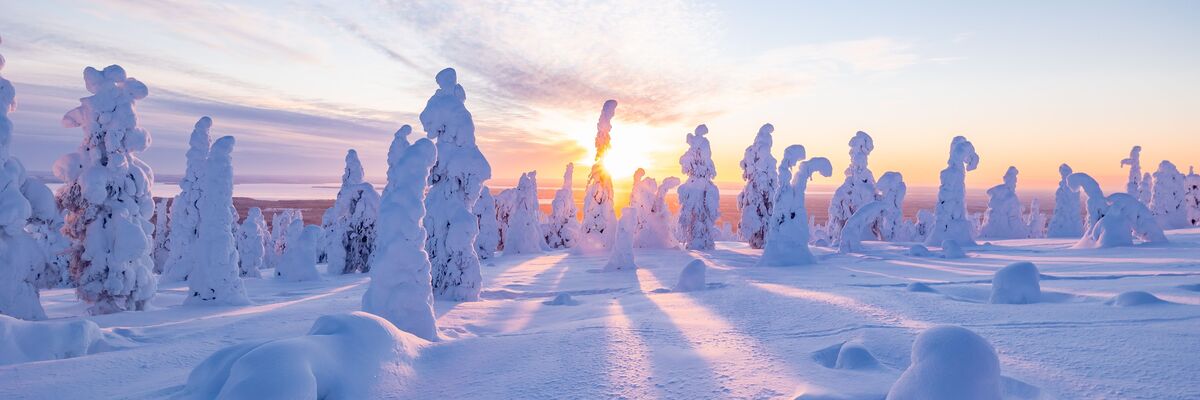
Lapland is often imagined as a snow-covered wilderness illuminated by the Northern Lights, a remote Arctic land of reindeer and Santa Claus legends. While the aurora borealis draws thousands of visitors each winter, Lapland offers far more than celestial spectacles. Stretching across northern Finland, Sweden, Norway, and Russia, this vast Arctic region represents one of Europe’s last great wildernesses.
Characterized by untouched forests, frozen lakes, tundra landscapes, and a deep Indigenous Sámi heritage, Lapland invites travelers to experience Arctic Europe in its most authentic form. Whether visiting during the midnight sun of summer or the polar night of winter, Lapland offers adventure, cultural depth, and raw natural beauty.
For those seeking meaningful travel experiences beyond typical European destinations, Lapland stands as a captivating Arctic frontier where tradition, sustainability, and nature coexist.
Geography and Environment
Lapland spans the northernmost parts of Finland, Sweden, Norway, and the Kola Peninsula of Russia. The Finnish region of Lapland, often considered the most accessible section, lies above the Arctic Circle and is home to expansive national parks, pristine rivers, and rolling fells.
One of the defining characteristics of Lapland’s environment is its extreme seasonal contrast. During winter, the polar night brings long hours of darkness, snow-covered landscapes, and temperatures that can plunge well below freezing. In summer, the midnight sun keeps the sky bright for weeks, creating an almost surreal atmosphere.
Protected wilderness areas such as Urho Kekkonen National Park preserve Arctic ecosystems, including boreal forests and tundra habitats. Wildlife such as reindeer, Arctic foxes, and brown bears thrive in these remote regions.
Lapland’s environment is fragile yet resilient. Climate change remains a pressing issue in the Arctic, making sustainable tourism essential for preserving this unique landscape.
Landscapes and Heritage
Lapland’s landscapes are defined by vast open spaces, frozen lakes, and gently rising hills known as fells. Unlike dramatic alpine peaks, these rounded formations offer panoramic views that stretch across endless wilderness.
In Finland’s Lapland, the town of Rovaniemi serves as a gateway to the Arctic. Known as the official hometown of Santa Claus, it attracts visitors year-round to Santa Claus Village, located directly on the Arctic Circle.
Beyond its festive attractions, Lapland is deeply connected to the Indigenous Sámi people, whose heritage dates back thousands of years. The Sámi maintain traditional livelihoods centered on reindeer herding, handicrafts, and storytelling. Cultural institutions such as the Siida Museum in Inari preserve Sámi history, art, and Arctic knowledge.
Across the Norwegian border, the dramatic fjords near Tromsø combine Arctic landscapes with coastal beauty. Meanwhile, Swedish Lapland offers ice hotels and remote wilderness lodges that redefine Arctic hospitality.
Culture and Indigenous Traditions
The cultural heart of Lapland lies in Sámi heritage. As Europe’s only recognized Indigenous people, the Sámi have shaped the Arctic region’s identity through language, music, craftsmanship, and sustainable reindeer herding.
Traditional Sámi clothing, known as gákti, features vibrant colors and patterns unique to different regions. Handicrafts made from wood, leather, and reindeer antler reflect deep connections to nature.
Music also plays an important role, particularly joik, a traditional form of Sámi song that expresses emotion and storytelling through melody.
Modern Lapland balances tradition with innovation. Arctic design, glass igloos, and eco-lodges coexist alongside centuries-old customs. This cultural fusion makes Lapland not just a natural destination, but a living cultural landscape.
Cuisine of the Arctic
Lapland’s cuisine is rooted in survival, seasonality, and local ingredients. Reindeer meat is a staple, often served smoked, roasted, or stewed. Arctic char and salmon from pristine rivers provide fresh seafood options.
Wild berries such as cloudberries, lingonberries, and blueberries are harvested during summer and used in desserts, sauces, and preserves. Foraging remains an important part of local life.
Traditional Lappish dishes emphasize simplicity and authenticity. Meals are often enjoyed around open fires or in cozy wooden cabins, enhancing the Arctic atmosphere.
Modern Arctic gastronomy has also gained international recognition, blending traditional ingredients with contemporary techniques. Restaurants in Rovaniemi and Tromsø showcase innovative Nordic cuisine inspired by the wilderness.
Adventure and Outdoor Experiences
Lapland is a year-round adventure destination. Winter transforms the region into a playground for snow-based activities. Visitors can experience dog sledding across frozen lakes, snowmobiling through forests, and cross-country skiing under Arctic skies.
One of the most sought-after experiences is witnessing the Northern Lights. While the aurora borealis remains a highlight, Lapland’s winter appeal extends beyond this phenomenon. Staying in glass-roofed cabins or ice hotels offers immersive Arctic accommodation experiences.
Summer reveals an entirely different landscape. Hiking trails through national parks lead to scenic viewpoints, while canoeing and fishing opportunities abound. The midnight sun allows for extended outdoor exploration without darkness.
Autumn introduces ruska, the season when Arctic foliage turns vibrant shades of red and gold. This period offers stunning photography opportunities and fewer tourists.
Sustainability and Responsible Tourism
Sustainability is central to Lapland’s tourism model. Arctic ecosystems are highly sensitive, and local authorities promote eco-friendly practices to protect wildlife and landscapes.
Many lodges operate with renewable energy and emphasize low-impact construction. Responsible tour operators collaborate with Sámi communities to ensure cultural authenticity and economic fairness.
Visitors are encouraged to follow Leave No Trace principles, respect wildlife, and support locally owned businesses. By prioritizing sustainability, Lapland ensures that its Arctic beauty remains intact for future generations.
Best Time to Visit Lapland
The best time to visit Lapland depends on the experience sought.
- December to March: Ideal for snow activities and Northern Lights viewing.
- April to May: Spring thaw with fewer crowds.
- June to August: Midnight sun, hiking, and wildlife watching.
- September to October: Autumn foliage and quieter landscapes.
Winter attracts the largest number of visitors, but summer provides a completely different and equally mesmerizing Arctic experience.
Transport and Accessibility
Rovaniemi serves as the primary transport hub for Finnish Lapland, accessible by air and train from Helsinki. Tromsø and Kiruna provide access to Norwegian and Swedish Lapland respectively.
Despite its remote reputation, Lapland is surprisingly accessible thanks to well-maintained infrastructure and organized tour services. Rental cars offer flexibility for exploring remote regions, while guided excursions ensure safe navigation through Arctic terrain.
Due to weather conditions, winter travel requires preparation and appropriate clothing. However, local tourism providers ensure that visitors remain comfortable and safe.
Why Visit Lapland?
Lapland offers an immersive Arctic experience that goes far beyond the Northern Lights. It invites travelers to slow down, connect with nature, and understand a way of life shaped by extreme seasons.
Few destinations in Europe offer such vast untouched wilderness combined with rich Indigenous culture. Whether enjoying the silence of a snow-covered forest or witnessing the endless glow of the midnight sun, Lapland delivers moments of profound tranquility.
For travelers seeking authenticity, sustainability, and adventure, Lapland stands apart from mainstream European destinations.
Conclusion
Lapland represents Arctic Europe in its purest form. Beyond the famous aurora borealis lies a region defined by wilderness, Sámi heritage, and seasonal contrasts unlike anywhere else on the continent.
From snow-covered forests and reindeer safaris to summer hiking under the midnight sun, Lapland offers diverse experiences year-round. Its commitment to sustainability and cultural preservation ensures that tourism supports both nature and local communities.
For those willing to journey north of the Arctic Circle, Lapland promises not just a destination, but a transformative encounter with Europe’s last great wilderness.
00 Comments
No comments yet.
Leave a Comment