

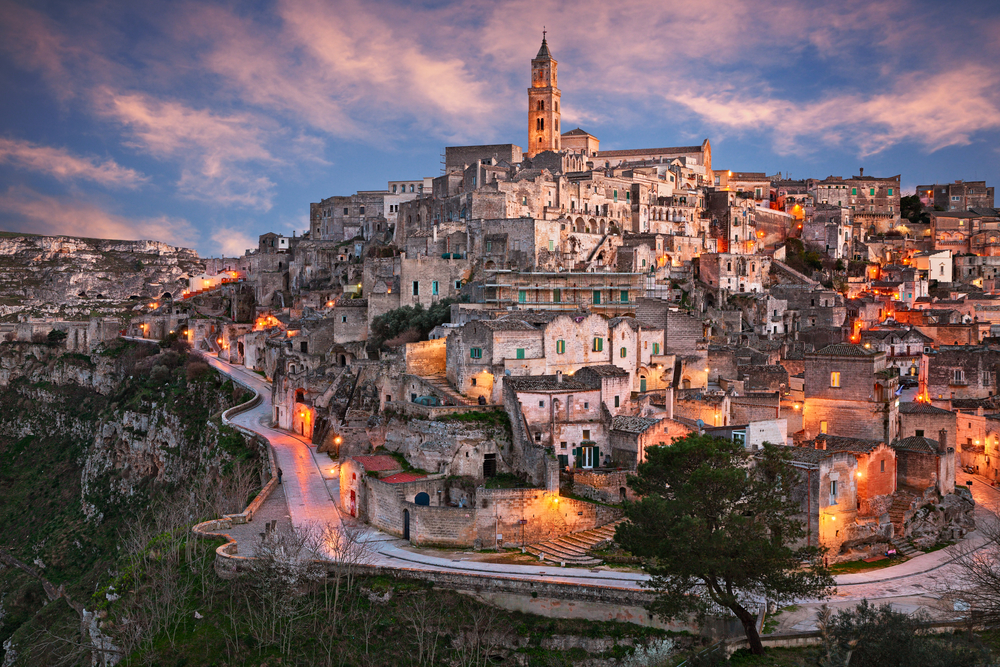
Matera
Introduction
Matera is one of Europe’s most extraordinary and ancient continuously inhabited settlements. Located in the southern Italian region of Basilicata, this remarkable city is famed for its cave dwellings carved directly into limestone cliffs. Often described as one of the oldest cities in the world, Matera offers a rare opportunity to walk through thousands of years of human history in a single afternoon.
Unlike conventional Italian cities defined by Renaissance palaces or Roman ruins, Matera’s identity is rooted in its rock-hewn architecture known as the Sassi. These ancient cave districts, once symbols of poverty and neglect, have transformed into boutique hotels, museums, and cultural landmarks.
Today, Matera stands as a UNESCO World Heritage Site and a testament to resilience, adaptation, and preservation. For travelers seeking a destination that blends prehistoric heritage with modern revival, Matera is an unforgettable journey into humanity’s earliest urban story.
Geography and Environment
Matera lies in southern Italy’s Basilicata region, perched dramatically above a deep ravine known as the Gravina Gorge. The surrounding landscape is rugged and arid, characterized by limestone plateaus and rocky outcrops shaped by wind and water over millennia.
The city’s unique topography directly influenced its architecture. The soft limestone allowed inhabitants to carve homes, churches, and storage spaces directly into the rock. These cave structures provided natural insulation, staying cool in summer and warm in winter.
Matera experiences a Mediterranean climate with hot summers and mild winters. The golden limestone reflects sunlight beautifully at dawn and dusk, creating an almost cinematic glow across the city’s façade.
The nearby Murgia Plateau Regional Park adds ecological significance to the area, offering hiking trails and viewpoints overlooking the ancient cave dwellings.
Landscapes and Heritage
The defining feature of Matera is the Sassi districts—Sassi di Matera—which consist of two main quarters: Sasso Caveoso and Sasso Barisano. These interconnected cave homes, carved into cliffs and layered vertically, create a labyrinth of staircases, tunnels, and stone facades.
Matera’s cave churches are equally remarkable. Among them, the Church of Santa Maria de Idris rises dramatically from a rocky outcrop, blending seamlessly into the landscape. Many rock-hewn churches feature Byzantine-style frescoes that date back centuries.
Overlooking the Sassi is the Matera Cathedral, built in the 13th century in Apulian Romanesque style. Its elevated position offers sweeping views across the ancient cave neighborhoods.
The city’s layered structure, where one rooftop serves as another’s courtyard, reflects centuries of adaptation and community living. Walking through the Sassi feels like stepping into a living archaeological site.
Cultural Identity and Historical Evolution
Matera’s history stretches back to the Paleolithic era, making it one of the oldest continuously inhabited settlements in the world. Early communities utilized natural caves before gradually expanding and modifying them into structured homes.
During the Middle Ages, Matera flourished as a religious and cultural center. However, by the 20th century, the Sassi became associated with extreme poverty and poor sanitation. In the 1950s, the Italian government relocated residents, and the cave districts were abandoned.
For decades, Matera symbolized hardship. Yet restoration efforts in the late 20th century transformed the city’s image. In 1993, the Sassi were designated a UNESCO World Heritage Site, and in 2019, Matera was named European Capital of Culture.
This remarkable transformation from neglected settlement to cultural icon defines Matera’s modern identity. The city embodies resilience and the power of preservation.
Cuisine of Matera and Basilicata
Matera’s cuisine reflects southern Italy’s rustic traditions. Simple ingredients and bold flavors dominate local dishes.
Pane di Matera, a traditional sourdough bread baked in wood-fired ovens, is one of the region’s culinary symbols. Its thick crust and airy interior make it a staple at every meal.
Pasta dishes such as orecchiette and cavatelli are served with tomato sauces, local cheeses, or lamb ragù. Legumes, wild greens, and olive oil play essential roles in regional cooking.
Local wines from Basilicata’s volcanic soil complement hearty dishes. Dining in cave restaurants carved into the limestone enhances the atmosphere, blending gastronomy with heritage.
Adventure and Exploration
Matera is best explored on foot. Its winding alleys, stone staircases, and hidden courtyards invite slow discovery. Climbing viewpoints across the Gravina Gorge reveals panoramic perspectives of the Sassi glowing under golden light.
The Murgia Plateau across the ravine offers hiking trails that lead to ancient cave churches and scenic overlooks. From these vantage points, visitors can appreciate the scale and architectural harmony of the city.
Matera has also served as a filming location for major historical and biblical movies, adding to its cinematic appeal. Its timeless appearance makes it an ideal setting for storytelling.
While Matera is not traditionally associated with adventure sports, its immersive exploration provides a deeply engaging experience for history enthusiasts and photographers.
Sustainability and Preservation
Matera’s revival has been guided by careful preservation and sustainable tourism practices. Restoration efforts prioritized maintaining architectural authenticity while adapting caves for modern use.
Many former cave homes now operate as eco-conscious boutique hotels. These accommodations blend historical preservation with contemporary comfort, minimizing structural alteration.
Local authorities manage visitor flow to protect fragile frescoes and archaeological sites. By balancing tourism growth with conservation, Matera ensures its heritage remains intact.
Sustainability in Matera also extends to cultural preservation, supporting local artisans, traditional bread makers, and community-led initiatives.
Best Time to Visit Matera
Matera can be visited year-round, but spring (April to June) and autumn (September to October) offer the most pleasant weather. These seasons provide comfortable temperatures for walking and fewer crowds than peak summer.
Summer (July and August) brings high temperatures, but evening strolls offer cooler relief and stunning sunset views over the Sassi.
Winter is quieter and atmospheric, with fewer tourists and softer light ideal for photography.
Golden hour—just before sunset—is the most magical time to experience Matera, as the limestone glows in warm hues.
Transport and Accessibility
Matera is accessible by train and road from major southern Italian cities such as Bari and Naples. Bari International Airport serves as the nearest major gateway.
Though Matera’s historic center is pedestrian-only, nearby parking facilities and shuttle services make arrival manageable. The city’s compact layout ensures that most landmarks are within walking distance.
While it may require slightly more planning than major Italian tourist hubs, the journey adds to Matera’s sense of discovery.
Why Visit Matera?
Matera offers an experience unlike anywhere else in Europe. Its cave dwellings and layered architecture create an immersive historical environment that feels both ancient and alive.
Unlike crowded metropolitan cities, Matera encourages slow travel. Visitors connect with history through tactile exploration—touching limestone walls, wandering narrow passages, and witnessing daily life within centuries-old structures.
The city’s transformation from hardship to cultural renaissance adds emotional depth to the visit. Matera tells a story not only of ancient civilization but of renewal and pride.
For travelers seeking authenticity, architectural uniqueness, and profound historical depth, Matera stands as one of Italy’s most remarkable destinations.
Conclusion
Matera, the Ancient Cave City, represents one of humanity’s earliest experiments in urban living. Carved into limestone cliffs and shaped by millennia of adaptation, it stands as both archaeological treasure and modern cultural hub.
From the labyrinthine Sassi districts to panoramic gorge views and rock-hewn churches, Matera offers a deeply immersive travel experience. Its story of decline and revival underscores the importance of preservation and community resilience.
For those exploring southern Italy beyond the typical tourist trail, Matera provides a journey into the very origins of civilization—an unforgettable encounter with Europe’s ancient past brought vibrantly into the present.
00 Comments
No comments yet.
Leave a Comment