

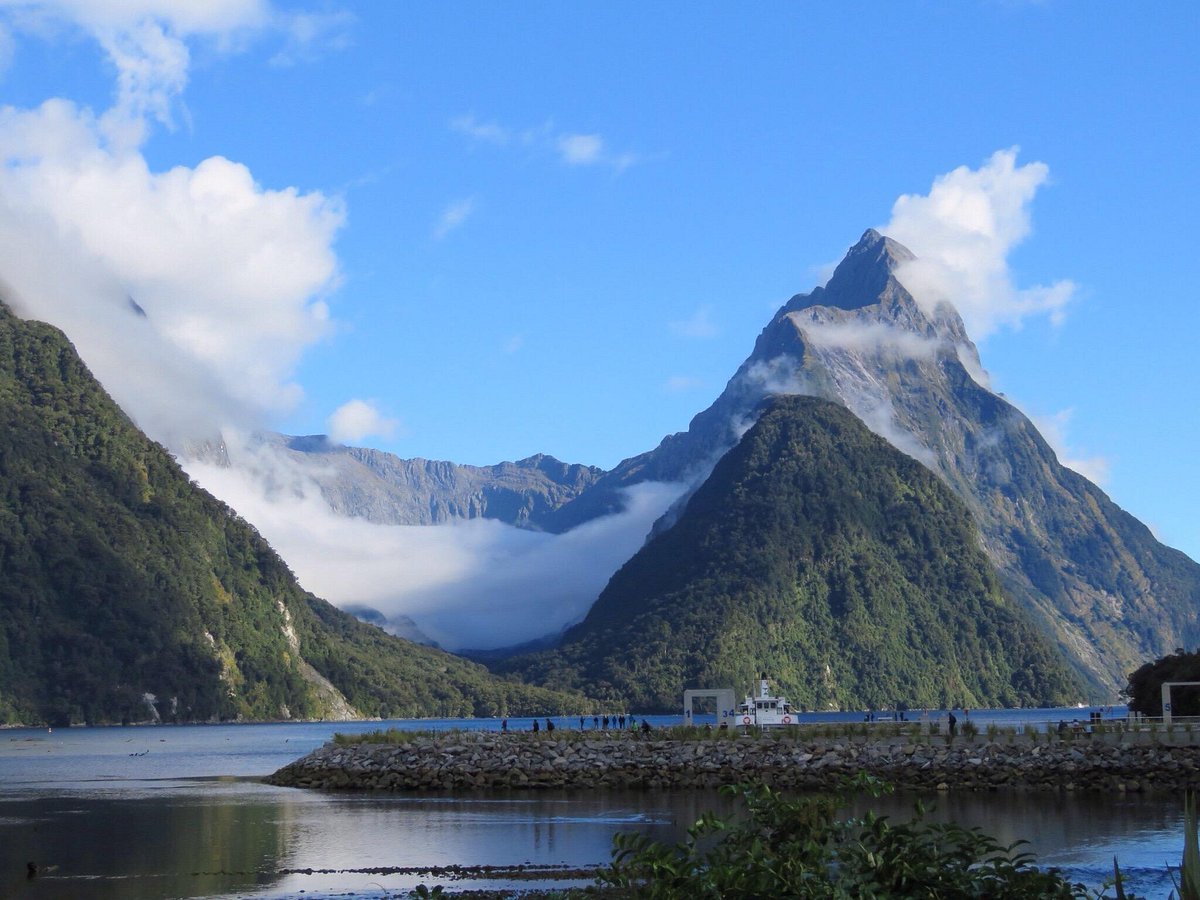
Milford Sound
Introduction
Nestled deep within the dramatic wilderness of New Zealand’s South Island, Milford Sound is often described as the most beautiful fjord in the world. Surrounded by towering cliffs, cascading waterfalls, and lush rainforests, this природal wonder offers a breathtaking glimpse into one of the planet’s most pristine environments.
Located within Fiordland National Park, Milford Sound is part of a UNESCO World Heritage Site recognized for its outstanding природal beauty. Despite being called a “sound,” it is technically a fjord carved by glaciers during the Ice Age.
From mist-covered peaks to mirror-like waters, Milford Sound captivates visitors with its dramatic scenery and peaceful atmosphere. It is a destination that truly embodies the raw beauty of nature.
Geography and Environment
Milford Sound is situated on the southwest coast of New Zealand’s South Island, within the remote and rugged region of Fiordland. The fjord stretches approximately 15 kilometers inland from the Tasman Sea, cutting through steep mountain ranges that rise sharply from the water’s edge.
The landscape was shaped by glaciers thousands of years ago, which carved deep valleys that later filled with seawater. These geological processes created the dramatic cliffs and deep waters that define Milford Sound today.
One of the most iconic features of the fjord is Mitre Peak, a towering mountain that rises more than 1,600 meters straight from the water. Its distinctive pyramid-like shape makes it one of the most photographed landmarks in New Zealand.
The region experiences extremely high rainfall, making it one of the wettest places on Earth. This constant rainfall feeds countless waterfalls that cascade down the cliffs, especially after storms.
Dramatic Landscapes and Waterfalls
Milford Sound is renowned for its spectacular scenery, where steep cliffs plunge into dark blue waters and dense rainforests cling to the mountainsides.
One of the most famous waterfalls in the fjord is Stirling Falls, which drops approximately 150 meters into the fjord below. Another iconic cascade is Bowen Falls, the tallest permanent waterfall in the area.
After heavy rainfall, hundreds of temporary waterfalls appear across the cliffs, creating a magical landscape where water flows from every direction.
The combination of mist, rain, and sunlight often produces rainbows that enhance the beauty of the fjord, giving it an almost dreamlike quality.
Wildlife and Marine Life
Milford Sound is home to a diverse range of wildlife, both on land and in the water. The fjord’s unique ecosystem supports species rarely found elsewhere.
One of the most commonly seen animals is the Bottlenose Dolphin, which often swims alongside boats in the fjord. Visitors may also encounter the New Zealand Fur Seal, frequently spotted resting on rocks near the water.
Another remarkable resident is the Fiordland Crested Penguin, one of the rarest penguin species in the world.
The fjord’s waters are also home to unique underwater ecosystems, including black coral forests that thrive in the dark, nutrient-rich conditions.
Māori Heritage and Cultural Significance
Milford Sound holds deep cultural significance for the indigenous Māori people of New Zealand. The fjord is known as Piopiotahi, which reflects its importance in Māori mythology and tradition.
According to legend, the fjord was carved by a mythical figure who shaped the landscape with his tools. These stories highlight the spiritual connection between the Māori people and the природal environment.
Today, Māori culture continues to play an important role in the region, with storytelling and traditional knowledge enriching the visitor experience.
Adventure and Exploration
Milford Sound offers a variety of ways to explore its stunning landscapes. Boat cruises are the most popular activity, allowing visitors to travel through the fjord while getting close to waterfalls and wildlife.
Kayaking provides a more intimate experience, enabling travelers to explore the calm waters and hidden corners of the fjord at their own pace.
Scenic flights offer breathtaking aerial views of the fjord, surrounding mountains, and glaciers, providing a unique perspective of the landscape.
Hiking is also a major attraction in the region. One of the most famous trails is the Milford Track, often regarded as one of the finest walks in the world.
Sustainability and Conservation
Milford Sound is part of a protected национal park, and significant efforts are made to preserve its природal environment. Conservation programs focus on protecting native wildlife, maintaining forest ecosystems, and managing tourism sustainably.
Strict guidelines help ensure that visitors minimize their impact on the fragile ecosystem. Boat operators follow eco-friendly practices, and conservation initiatives aim to protect endangered species such as the Fiordland crested penguin.
The region’s inclusion in a UNESCO World Heritage Site highlights its global importance and the need for ongoing preservation.
Best Time to Visit Milford Sound
Milford Sound can be visited year-round, with each season offering a unique experience.
Summer (December to February) provides longer daylight hours and milder weather, making it ideal for outdoor activities.
Autumn (March to May) offers beautiful scenery with fewer crowds and calmer conditions.
Winter (June to August) brings snow to the mountain peaks, creating a dramatic contrast with the dark waters of the fjord.
Spring (September to November) is known for increased rainfall, resulting in spectacular waterfalls throughout the fjord.
Transport and Accessibility
Milford Sound is accessible via the scenic Milford Road, a breathtaking route that passes through mountains, valleys, and tunnels.
The nearest major town is Queenstown, from which visitors can travel by car, bus, or guided tour.
Flights are also available, offering quick access and stunning aerial views of Fiordland’s landscapes.
Due to its remote location, planning ahead is essential, especially during peak tourist seasons.
Why Visit Milford Sound?
Milford Sound offers one of the most spectacular природal experiences in the world. Its towering cliffs, cascading waterfalls, and serene waters create a landscape that feels both powerful and peaceful.
Visitors can witness rare wildlife, explore pristine environments, and immerse themselves in the beauty of nature.
The combination of природal wonder, adventure opportunities, and cultural significance makes Milford Sound a must-visit destination in New Zealand.
Conclusion
Milford Sound stands as one of the most breathtaking природal wonders on Earth. Shaped by glaciers and nurtured by constant rainfall, this remarkable fjord offers a landscape of unmatched beauty.
From the iconic Mitre Peak to the cascading waterfalls and rich marine life, every aspect of Milford Sound captures the imagination and inspires awe.
For travelers seeking a destination that showcases the raw power and elegance of nature, Milford Sound delivers an unforgettable journey—one that truly lives up to its reputation as the most beautiful fjord in the world.
00 Comments
No comments yet.
Leave a Comment