

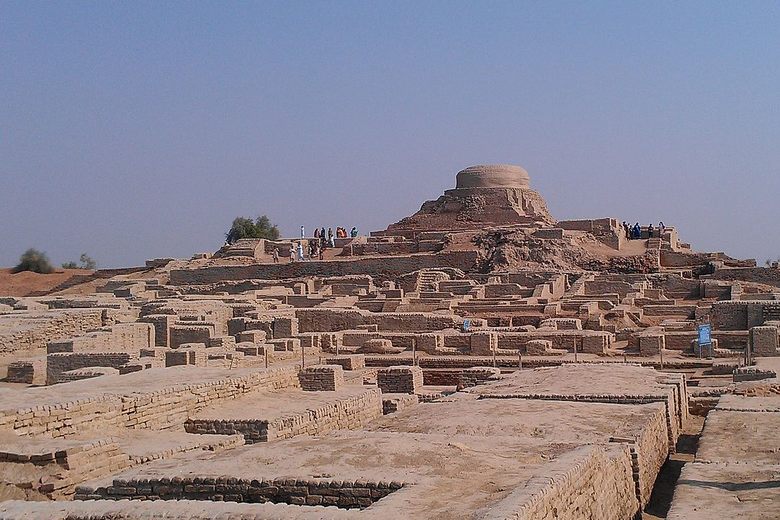
Mohenjo-Daro
The city of Mohenjo-Daro is one of the world's most mysterious and fascinating archaeological sites. This ancient city, located in the Sindh province of modern-day Pakistan, was once a thriving metropolis of the Indus Valley civilization. Today, it is a UNESCO World Heritage Site, and its ruins are a testament to the engineering and architectural proof of this long-lost civilization.
The city was home to around 40,000 people and was abandoned mysteriously. The only remaining evidence of its existence is the ruins that remain today. In this article, we will explore the history and mystery of Mohenjo-Daro.
The History of Mohenjo-Daro, Pakistan
The ancient city of Mohenjo-Daro is one of Pakistan's most mysterious and enigmatic archaeological sites. This UNESCO World Heritage site is in the Sindh province, on the right bank of the Indus River.
The city was founded around 2500 BCE and flourished until about 1900 BCE. Mohenjo-Daro was a great city of the Indus Valley Civilization and one of the largest cities of its time. The name Mohenjo-Daro means 'Mound of the Dead Men' in Sindhi. It is assumed to be the burial site of the people who once lived in this ancient city.
Mohenjo-Daro is one of the earliest known cities in South Asia and is said to be one of the first urban settlements in the world. The city was laid out in a grid pattern, with streets running from north-south and east-west. The homes were built of brick and had flat roofs. There was a central marketplace, and each house had its water well.
The people of Mohenjo-Daro were skilled artisans and crafts persons. They also had a system of weights and measures, which suggests that they were engaged in trade with other regions. The city had a well-developed infrastructure, a sophisticated drainage system, and exceptional public baths. This city also had many beautiful sculptures and paintings.
Unfortunately, we don't know much about the people who lived in Mohenjo-Daro because there are no written records from that time. The city was abandoned mysteriously around 1900 BCE and was not rediscovered until 1920 when archaeologists began excavating the site.
Despite our lack of knowledge about the people of Mohenjo-Daro, this ancient city is still a fascinating place to visit. The ruins offer a glimpse into the lives of one of the earliest urban civilizations in the world.
What to See at Mohenjo-Daro
There are several things to see at Mohenjo-Daro, a UNESCO Heritage Site in Pakistan. The site is an ancient city that was once one of the largest in the world. It is full of ruins and artifacts that offer a glimpse into the past.
The Great Bath is one of the most impressive things to see at Mohenjo-Daro. This vast structure was used for religious rituals and ceremonies. It is made of brick and adorned with carvings and mosaics.
The houses at Mohenjo-Daro were also very advanced for their time. They had courtyards, bathrooms, and even air conditioning. Many homes were two stories tall, and some even were three stories tall.
The streets of Mohenjo-Daro were laid out in a grid pattern and lined with drainage systems. The city also had a complex system of underground sewers.
All of these features show that the people who lived in Mohenjo-Daro were highly skilled engineers and architects. They built a city that was ahead of its time in many ways.
How to Visit Mohenjo-Daro in Sindh
The ancient ruins of Mohenjo-Daro are a UNESCO Heritage Site in the Sindh province of Pakistan. The site is open to the public and can be visited year-round.
To visit Mohenjo-Daro, take public transport or travel by personal vehicle from the nearest city Multan. There is no entrance fee to visit Mohenjo-Daro, and no guided tours are available. However, a small museum is available on-site, which contains some artifacts.
Conclusion
The mysterious ruins of Mohenjo-Daro are a UNESCO Heritage Site in Pakistan that is worth visiting. With its well-preserved buildings and artifacts, the site gives you a peek into the lives of the people who lived there centuries ago. If you are interested in history or archaeology, then this is a place you should add to your list of places to see.
00 Comments
No comments yet.
Leave a Comment