

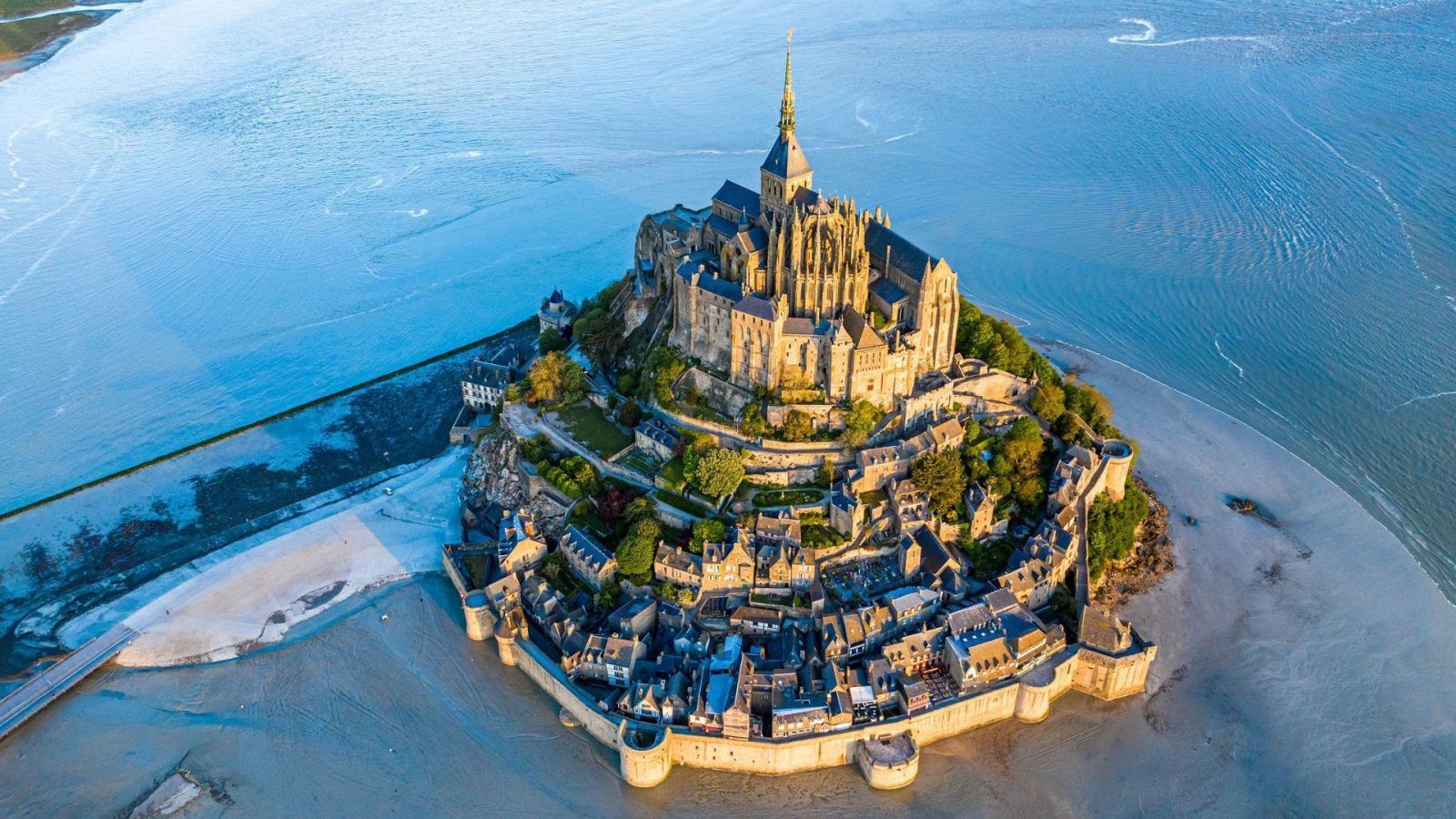
Mont Saint-Michel
Introduction
Rising dramatically from the tidal waters of Normandy, Mont Saint-Michel is one of the most magical and iconic landmarks in Europe. Often described as a “floating medieval abbey,” this extraordinary island commune combines breathtaking architecture, centuries of history, and a unique natural setting that feels straight out of a fantasy novel.
Located off the northwestern coast of France, Mont Saint-Michel attracts millions of visitors each year with its towering Gothic abbey, winding medieval streets, and spectacular tides.
At high tide, the island appears to float above the sea, while low tide reveals vast sandbanks stretching across the bay. This constantly changing landscape has made Mont Saint-Michel one of the most photographed and unforgettable destinations in the world.
For travelers seeking history, architecture, culture, and natural beauty, Mont Saint-Michel offers an experience unlike anywhere else in France.
Geography and Environment
Mont Saint-Michel is situated in Normandy near the border of Brittany, approximately one kilometer off the French coast.
The island rises dramatically from a vast tidal bay known for having some of the strongest tides in Europe. During high tide, the surrounding waters isolate the island completely, while low tide exposes wide sandy flats around it.
This unique geographical phenomenon has shaped the history and identity of Mont Saint-Michel for centuries.
The surrounding bay is rich in biodiversity and is recognized for its ecological importance, supporting migratory birds and coastal ecosystems.
Changing weather conditions—misty mornings, golden sunsets, and dramatic tides—create an ever-changing atmosphere that enhances the island’s mystical beauty.
The Abbey and Gothic Architecture
The centerpiece of Mont Saint-Michel is the magnificent Mont-Saint-Michel Abbey, perched high above the island on a rocky summit.
Construction of the abbey began in the 8th century after, according to legend, the Archangel Michael appeared to the Bishop of Avranches and instructed him to build a sanctuary on the island.
Over the centuries, the abbey evolved into a masterpiece of medieval Gothic architecture. Its towering spires, stone cloisters, grand halls, and intricate arches demonstrate remarkable engineering for its time.
The abbey’s elevated position provides breathtaking panoramic views across the surrounding bay, especially during sunrise and sunset.
Walking through its ancient corridors and chambers offers visitors a journey through over a thousand years of religious and architectural history.
Medieval Streets and Timeless Atmosphere
Beneath the abbey lies a maze of narrow cobbled streets lined with historic stone buildings, shops, and small inns.
The island’s medieval character has been carefully preserved, allowing visitors to experience the atmosphere of a centuries-old fortified village.
Traditional houses, ancient walls, and hidden alleyways create the feeling of stepping back into the Middle Ages.
At night, when crowds diminish and lights illuminate the abbey and streets, Mont Saint-Michel becomes even more enchanting.
This timeless atmosphere has inspired countless artists, filmmakers, and writers throughout history.
Historical Significance
Mont Saint-Michel has played an important role in French history for over a millennium.
During the Middle Ages, it became one of Europe’s major pilgrimage destinations, attracting religious travelers from across the continent.
The island’s strategic position also made it a powerful fortress. During the Hundred Years’ War, Mont Saint-Michel successfully resisted English attacks and became a symbol of French resilience.
Later, during the French Revolution, the abbey was converted into a prison before eventually being restored as a national monument.
Today, Mont Saint-Michel stands as both a UNESCO World Heritage Site and one of France’s most treasured historical landmarks.
The Extraordinary Tides
One of the most fascinating aspects of Mont Saint-Michel is its dramatic tidal system.
The tides in the bay are among the fastest and highest in Europe, capable of transforming the landscape within hours.
At high tide, water surrounds the island entirely, creating the illusion that it is floating above the sea. During low tide, vast stretches of sand and mudflats emerge around the island.
Guided walks across the bay allow visitors to safely explore this unique environment while learning about local ecology and tidal patterns.
The constantly shifting tides are central to Mont Saint-Michel’s identity and natural beauty.
Culture and French Heritage
Mont Saint-Michel represents an important part of French cultural and spiritual heritage.
Local traditions, regional cuisine, and Norman hospitality contribute to the island’s unique charm.
One of the area’s most famous culinary specialties is the fluffy omelet served at historic restaurants such as La Mère Poulard, known worldwide for its traditional recipes.
Religious ceremonies and cultural events continue to take place at the abbey, preserving its spiritual significance.
The combination of French history, architecture, and local traditions makes Mont Saint-Michel a deeply immersive cultural destination.
Adventure and Exploration
Although small in size, Mont Saint-Michel offers countless opportunities for exploration.
Visitors can climb steep medieval stairways, discover hidden corners of the island, and explore the abbey’s grand halls and terraces.
Walking along the ancient ramparts provides stunning views of the surrounding bay and coastline.
Photography enthusiasts are especially drawn to the island’s changing light conditions and reflections during high tide.
Nearby Normandy villages and coastal landscapes also offer opportunities for extended travel experiences beyond the island itself.
Sustainability and Preservation
Due to its global popularity, preserving Mont Saint-Michel’s environment and historical integrity is a major priority.
Large-scale restoration and conservation projects have been implemented to protect the abbey and restore the natural tidal flow around the island.
Modern infrastructure, including a bridge connecting the mainland to the island, was designed to minimize environmental impact and maintain the island’s floating appearance.
Sustainable tourism efforts encourage responsible travel practices and help preserve this historic site for future generations.
Best Time to Visit Mont Saint-Michel
The best time to visit Mont Saint-Michel is during spring and autumn, when temperatures are pleasant and crowds are smaller.
Summer offers longer daylight hours and vibrant atmosphere but can become very crowded due to tourism.
Visiting during high tide provides the most dramatic visual experience, especially during sunrise or sunset.
Winter brings a quieter and more mysterious atmosphere, often enhanced by fog and dramatic coastal weather.
Each season reveals a different side of Mont Saint-Michel’s beauty.
Transport and Accessibility
Mont Saint-Michel is accessible from major French cities such as Paris and Rennes by train, bus, or car.
Shuttle buses transport visitors from parking areas on the mainland to the island entrance.
The final approach across the bridge offers spectacular views of the abbey rising above the bay.
Despite its remote appearance, Mont Saint-Michel is well connected and remains one of France’s most visited tourist attractions.
Why Visit Mont Saint-Michel?
Mont Saint-Michel offers one of the most magical travel experiences in Europe. Its floating appearance, Gothic abbey, medieval streets, and dramatic tides create a destination unlike any other in the world.
Visitors can explore centuries of history, admire extraordinary architecture, and witness one of nature’s most fascinating tidal landscapes.
For travelers seeking romance, culture, photography, and timeless beauty, Mont Saint-Michel is a true bucket-list destination.
Conclusion
Mont Saint-Michel stands as one of the world’s most extraordinary historical and natural wonders. Rising above the tidal waters of Normandy, it combines medieval architecture, spiritual heritage, and breathtaking scenery into a truly unforgettable destination.
From wandering through ancient stone streets to watching tides surround the island, every moment at Mont Saint-Michel feels magical and timeless.
For anyone dreaming of experiencing one of Europe’s most iconic landmarks, the Floating Medieval Abbey offers a journey into history, beauty, and wonder unlike anywhere else on Earth.
00 Comments
No comments yet.
Leave a Comment