

Mount Nimba Strict Nature Reserve
Nestled between three countries – Guinea, Liberia, and Cote d'Ivoire – lies Mount Nimba Strict Nature Reserve. This remarkable area is home to a diverse range of plant and animal species, many of which are endangered or threatened. From its lush forests to its diverse array of wildlife, Mount Nimba is an ecological treasure that must be protected and preserved.
This article will explore the incredible biodiversity found in the Mount Nimba Strict Nature Reserve, how to get there, and the various activities you can take part in while visiting!
Mount Nimba Strict Nature Reserve: A Brief Overview
The Mount Nimba Strict Nature Reserve is a protected area in Liberia, Guinea, and Cote d'Ivoire countries. It was designated a UNESCO World Heritage Site in 1982 due to its unique biodiversity. The reserve is home to an incredibly diverse range of plants and animals, including many species that are endemic to the region.
The Mount Nimba Strict Nature covers an area of 17,540 hectares, out of which a major part, i.e., 12,540 hectares, is in Guinea, and just 5,000 hectares lie in Cote d'Ivoire. The landscape of the reserve is incredibly varied, with mountains, forests, meadows, and rivers all present within its boundaries. This diversity provides a habitat for a huge range of plants and animals, many of which are found nowhere else on Earth.
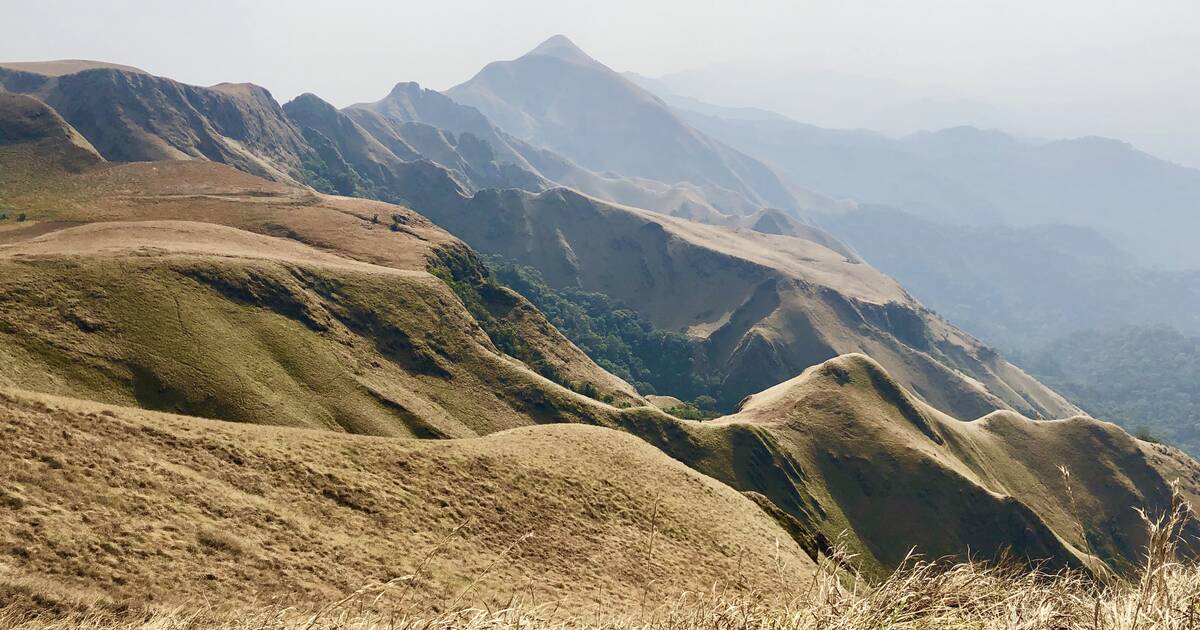
One of the most notable features of the Mount Nimba Strict Nature Reserve is Mount Nimba itself. This mountain is the highest point in the reserve and stands at 1,752 meters tall. Mount Nimba is one of only a handful of mountains in West Africa that has been formed from granite. The summit of Mount Nimba offers stunning views over the surrounding landscape.
The Mount Nimba Strict Nature Reserve is characterized by its high elevation and cooler climate relative to the surrounding areas. The reserve's vegetation is also unique, consisting mostly of a montane forest and savanna. This combination of factors has resulted in the reserve being home to many unique plant and animal species.
Sadly, the Mount Nimba Strict Nature Reserve is threatened by human activities. These include illegal logging, mining, and hunting. Conservation efforts are underway to protect this special place and its unique biodiversity.
Location of Mount Nimba Strict Nature Reserve
Far from the capital cities of Guinea, Cote d'Ivoire, and Liberia, Mount Nimba is located in a remote area along their shared border. Due to previous mining activities, the mountain's Liberian portion has severely deteriorated. But because the Guinean portion of the mountain and the small Ivorian portion are so well-protected, it still has intact montane ecosystems and distinctive species diversity.
History of Mount Nimba Strict Nature Reserve
The Mount Nimba Strict Nature Reserve is a World Heritage Site located in the countries of Guinea and Cote d'Ivoire. The history of the Mount Nimba Strict Nature Reserve dates back to the early nineteenth century.
In Guinea and Cote d'Ivoire, the Mount Nimba Strict Nature Reserve was established in 1943 and 1944, respectively. In 1980, the Guinean section was designated a Biosphere Reserve by the United Nations, and in 1981, UNESCO combined both reserves and added it to its list of World Heritage Sites. In 1982, the site's boundaries were extended to cover the Ivorian sector.
Since 1992, when iron-ore exploitation for mining in the most fragile montane zone began, the reserve has been classified as a World Heritage Site at risk. Guinean Parks Foundation has developed a conservation management center to provide better protection. The Mount Nimba Strict Nature Reserve is an important site for conservation due to its unique ecosystems and high biodiversity.
Flora and Fauna of Mount Nimba Strict Nature Reserve
Located in the heart of the Guinean forest-Savanna mosaic, Mount Nimba Strict Nature Reserve is home to an incredible diversity of Flora and Fauna. The site is particularly noted for its montane forest, which is home to many endemic species, including the critically endangered Mount Nimba Reed frog.
The forests of Mount Nimba are also an important refuge for chimpanzees and other primates, as well as a variety of antelope species. Here you can also find the critically endangered pygmy hippopotamus, numerous monkey species, buffalo, and duiker. Elephant herds are reported to be present here. In addition to its exceptional biodiversity, the Reserve also boasts stunning views of the surrounding landscape.
The Climate of Mount Nimba Strict Nature Reserve
The climate of Mount Nimba Strict Nature Reserve is sub-equatorial, with average temperatures ranging from 24-33 degrees Celsius. The rainy season lasts from May to October, while the dry season lasts from November to April. The best time to visit the reserve is during the dry season, as the rains can make hiking and other activities difficult.
How to get to the Mount Nimba Strict Nature Reserve
To get to the Mount Nimba Strict Nature Reserve, you must fly into either the Conakry International Airport in Guinea or the Port-Bouet Airport in Cote d'Ivoire. From there, you can take a bus or rent a car to get to the reserve. Once you arrive at the reserve, there are several hiking trails that you can take to explore the area.
Visiting the Mount Nimba Strict Nature Reserve
The Mount Nimba Strict Nature Reserve is a protected area in Guinea and Cote d'Ivoire that is home to a variety of unique flora and fauna. The reserve is also a popular tourist destination, offering stunning views of the surrounding mountains and forests. The best choice is to visit the reserve from Guinea, as you can find guided tours there.
00 Comments
No comments yet.
Leave a Comment