

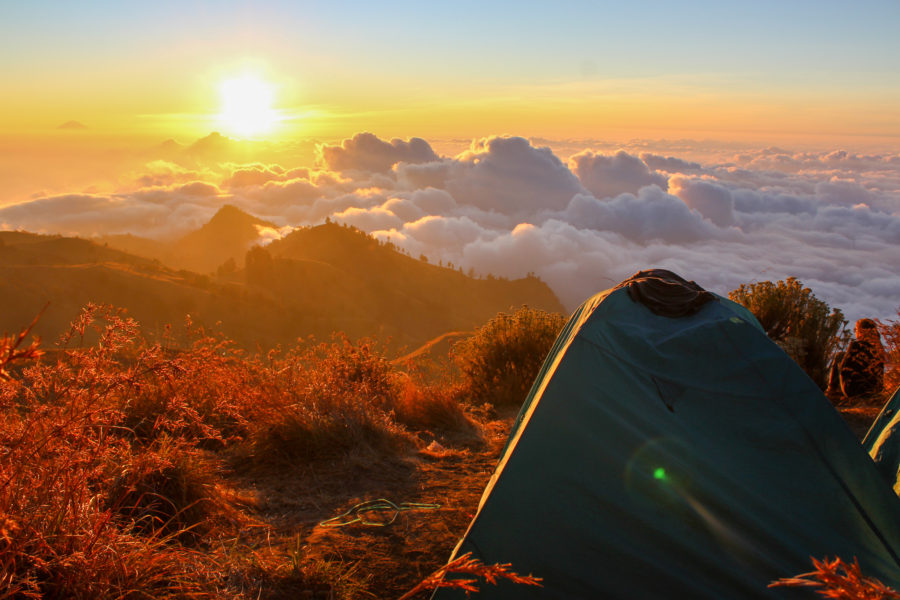
Mount Rinjani
Introduction
Rising dramatically above the island of Lombok, Mount Rinjani is one of Southeast Asia's most spectacular volcanoes and one of the world's greatest trekking destinations. Known as Indonesia's Epic Volcano Trek, Mount Rinjani attracts thousands of adventure seekers every year with its challenging hiking trails, breathtaking crater views, emerald-blue crater lake, natural hot springs, and unforgettable sunrise panoramas.
Standing at 3,726 meters (12,224 feet) above sea level, Mount Rinjani is the second-highest volcano in Indonesia and the highest peak on Lombok Island. Located within Mount Rinjani National Park, this active stratovolcano offers an incredible combination of rugged mountain landscapes, volcanic geology, tropical forests, waterfalls, and diverse wildlife. Every step of the journey reveals dramatic scenery that changes from lush rainforest to alpine grasslands and volcanic ridges.
For many hikers, reaching Rinjani's crater rim or conquering its summit is a once-in-a-lifetime achievement. Along the way, travelers are rewarded with panoramic views of the magnificent Segara Anak, steaming volcanic vents, and distant islands scattered across the Indonesian archipelago.
Whether you're an experienced trekker, nature photographer, or adventure traveler looking for Indonesia's ultimate hiking experience, this Mount Rinjani travel guide explains why this legendary volcano deserves a place on every adventurer's bucket list.
Where Is Mount Rinjani? Geography and Volcanic Landscape
Mount Rinjani is located on the island of Lombok in Indonesia, approximately 120 kilometers east of Bali.
The volcano dominates the northern part of the island and forms the centerpiece of Mount Rinjani National Park, a protected area covering more than 410 square kilometers.
The mountain's landscape is shaped by ancient volcanic eruptions, creating steep ridges, deep valleys, lava fields, dense tropical forests, grasslands, waterfalls, and the enormous Segara Anak crater lake.
Clear days offer breathtaking views across Lombok, Bali, the Gili Islands, and neighboring volcanoes, making Rinjani one of Indonesia's most scenic mountain destinations.
Its remarkable geological beauty makes it one of the country's most iconic natural landmarks.
Why Is Mount Rinjani Famous?
Mount Rinjani is internationally recognized as one of Asia's premier trekking destinations.
The volcano is famous for:
- Indonesia's second-highest volcano
- Challenging multi-day summit trek
- Spectacular sunrise views
- Segara Anak crater lake
- Active volcanic cone
- Natural hot springs
- UNESCO Global Geopark recognition
- Rich biodiversity
- Stunning volcanic landscapes
- Adventure tourism
Its combination of physical challenge and breathtaking scenery makes Mount Rinjani one of the best volcano hikes in the world.
History and Geological Significance of Mount Rinjani
Mount Rinjani is an active stratovolcano that has shaped Lombok's landscape for thousands of years.
The volcano formed through powerful tectonic activity along the Pacific Ring of Fire, one of the world's most active volcanic regions.
Its massive caldera was created by an ancient eruption, leaving behind the beautiful Segara Anak crater lake. Rising from the lake is Mount Barujari, an active volcanic cone that continues to remind visitors that Rinjani is still a living volcano.
Beyond its geological importance, Mount Rinjani holds deep spiritual significance for the local **Sasak people> and Balinese Hindu communities, who consider the mountain sacred and regularly perform religious ceremonies near the crater lake.
Today, Rinjani is not only a geological wonder but also an important cultural and spiritual landmark.
Top Attractions in Mount Rinjani National Park
Mount Rinjani Summit - Indonesia's Ultimate Hiking Achievement
Reaching the summit of Mount Rinjani is the highlight of every expedition.
After a challenging overnight ascent, hikers are rewarded with one of Southeast Asia's most spectacular sunrise views.
From the summit, visitors can admire panoramic vistas stretching across Lombok, Bali, Sumbawa, the Flores Sea, and the surrounding volcanic landscapes.
Standing atop Indonesia's second-highest volcano is an unforgettable achievement for adventure travelers.
Segara Anak - The Emerald Crater Lake
Deep inside Rinjani's massive caldera lies Segara Anak, whose name means "Child of the Sea."
Its crystal-clear blue-green waters create a striking contrast against the surrounding volcanic cliffs.
The lake is considered sacred by local communities and remains one of Indonesia's most beautiful volcanic lakes.
Many trekking routes descend to its shores, where hikers can relax after reaching the crater rim.
Mount Barujari - The Volcano Within a Volcano
Emerging from the center of Segara Anak is Mount Barujari, an active volcanic cone that occasionally erupts.
Steam rising from the crater reminds visitors that Mount Rinjani remains volcanically active.
This rare geological feature creates one of the most fascinating volcanic landscapes in Southeast Asia.
Natural Hot Springs
Near the shores of Segara Anak, visitors can soak in naturally heated volcanic hot springs.
These mineral-rich pools provide welcome relief after long days of trekking and are believed by many locals to possess therapeutic properties.
Surrounded by towering volcanic cliffs and lush vegetation, the hot springs offer one of the most relaxing experiences within the national park.
Senaru and Torean Trails
The Senaru and **Torean> routes provide two of the park's most scenic trekking experiences.
The Senaru trail passes through tropical rainforest filled with waterfalls and wildlife before climbing toward the crater rim.
The Torean route features dramatic river valleys, lush jungle, natural hot springs, and spectacular canyon scenery, making it increasingly popular among experienced hikers.
Wildlife in Mount Rinjani National Park
Mount Rinjani National Park supports an impressive diversity of wildlife.
Its forests and mountain habitats are home to:
- Long-tailed Macaque
- Ebony Leaf Monkey
- Timor Deer
- Black Eagle
- Sulphur-crested Cockatoo
The park also contains hundreds of native plant species, tropical forests, alpine vegetation, and colorful wildflowers that bloom along higher elevations.
Nature enthusiasts will find abundant opportunities for wildlife observation throughout the trek.
Best Things to Do at Mount Rinjani
Mount Rinjani offers unforgettable outdoor adventures.
Popular activities include:
- Summit trekking
- Multi-day camping
- Sunrise photography
- Exploring Segara Anak crater lake
- Relaxing in natural hot springs
- Wildlife watching
- Landscape photography
- Visiting waterfalls near Senaru
- Cultural experiences in Sasak villages
- Stargazing from the crater rim
Every day spent on the mountain offers new landscapes and unforgettable experiences.
Local Culture and Traditional Cuisine
The villages surrounding Mount Rinjani preserve the traditions of the Indigenous Sasak people.
Visitors can experience traditional weaving, local music, handcrafted souvenirs, and warm hospitality before or after their trek.
Regional cuisine includes grilled fish, spicy chicken dishes, fresh tropical fruits, rice specialties, and the famous Ayam Taliwang, one of Lombok's signature dishes.
Supporting locally owned guesthouses and guides helps sustain communities that depend on responsible tourism.
Sustainable Tourism and Conservation
Mount Rinjani National Park is one of Indonesia's most important protected natural areas.
Conservation programs focus on protecting forests, wildlife, volcanic ecosystems, and water resources while promoting sustainable tourism.
Visitors are encouraged to carry reusable water bottles, avoid littering, stay on designated trails, and choose licensed trekking operators that follow environmental guidelines.
Responsible travel helps preserve Rinjani's remarkable landscapes for future generations.
Best Time to Visit Mount Rinjani (Month-by-Month Guide)
The best time to trek Mount Rinjani is during the dry season from April to November.
Clear skies, cooler temperatures, and stable weather provide the safest trekking conditions.
July through September are the busiest months due to ideal hiking weather.
The national park generally closes during the rainy season because heavy rainfall increases the risk of landslides and dangerous trail conditions.
Checking current trail conditions before planning your trek is highly recommended.
How to Get to Mount Rinjani
Most travelers begin their journey from Mataram or Senggigi, both easily accessible from Denpasar by ferry or domestic flight.
The primary trekking gateways are the villages of Senaru and Sembalun, where licensed guides and trekking operators organize multi-day expeditions.
Most summit treks require two to four days depending on the chosen route.
Essential Travel Tips for Visiting Mount Rinjani
Careful preparation is essential for a successful trek.
- Book a licensed trekking operator.
- Train your fitness before attempting the summit.
- Carry warm clothing, as temperatures near the summit can approach freezing before sunrise.
- Wear high-quality hiking boots with good grip.
- Bring sufficient drinking water and energy-rich snacks.
- Respect local customs and sacred sites.
- Leave no trace by carrying all waste back down the mountain.
Good preparation greatly enhances both safety and enjoyment.
Why Visit Mount Rinjani?
Mount Rinjani offers one of Asia's greatest trekking adventures. Its challenging trails, dramatic volcanic landscapes, emerald crater lake, natural hot springs, rich biodiversity, and unforgettable sunrises combine to create an experience unlike any other.
Whether you're standing on the summit as the first rays of sunlight illuminate Lombok, relaxing beside Segara Anak, or camping beneath a sky full of stars, every moment on Rinjani becomes a lasting memory.
For hikers, photographers, and adventure seekers searching for Indonesia's ultimate volcano experience, Mount Rinjani is an extraordinary destination.
Conclusion
Mount Rinjani is far more than an active volcano - it is one of Indonesia's greatest natural wonders. From its towering summit and breathtaking crater lake to its sacred cultural heritage, diverse wildlife, and unforgettable trekking routes, every part of the mountain showcases the extraordinary beauty of the Indonesian archipelago.
Its combination of adventure, geology, culture, and spectacular scenery makes it one of Southeast Asia's premier outdoor destinations.
For travelers seeking an unforgettable volcanic adventure, Mount Rinjani truly lives up to its reputation as Indonesia's Epic Volcano Trek.
00 Comments
No comments yet.
Leave a Comment