

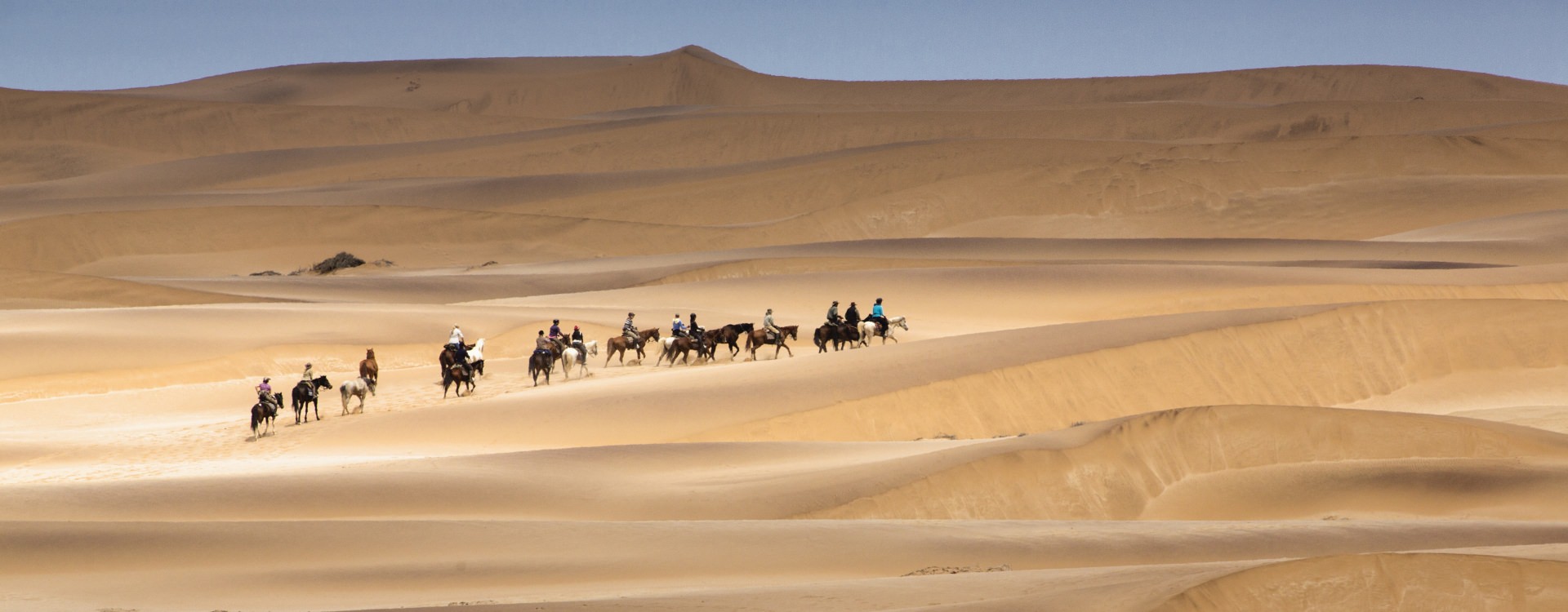
Namib Desert
Introduction
Stretching along the southwestern coast of Africa, the Namib Desert is widely regarded as the oldest desert on Earth. With landscapes shaped over more than 55 million years, this extraordinary region offers some of the most surreal and iconic scenery in the world. Towering sand dunes, vast salt pans, and stark coastal plains create a dramatic environment that feels both ancient and otherworldly.
The desert’s name comes from the Nama word meaning “vast place,” an appropriate description for its seemingly endless horizons. Located primarily within Namibia, the Namib Desert is part of the protected Namib Sand Sea, a UNESCO World Heritage Site known for its shifting dunes and unique ecosystems.
Despite its harsh conditions, the Namib Desert is full of life, resilience, and natural beauty. From the towering dunes of Sossusvlei to the eerie shipwrecks along the Skeleton Coast, the Namib offers one of the most unforgettable travel experiences in Africa.
Geography and Environment
The Namib Desert stretches for more than 2,000 kilometers along the Atlantic coast of southern Africa, extending through Namibia and into parts of Angola and South Africa. It is bordered by the cold waters of the Atlantic Ocean, which play a crucial role in shaping the desert’s climate.
Unlike many deserts that are defined by extreme heat, the Namib is influenced by the cold Benguela Current, which produces frequent coastal fog. This fog provides moisture to the desert ecosystem, supporting life in an otherwise arid environment.
The desert features a variety of landscapes, including coastal plains, gravel fields, and massive sand dunes. Some of these dunes are among the tallest in the world, reaching heights of over 300 meters.
The region experiences very little rainfall, making it one of the driest places on Earth. However, the combination of fog, wind, and geological processes has created a unique and diverse environment unlike any other desert.
Iconic Landscapes and Natural Wonders
The Namib Desert is famous for its striking landscapes that attract photographers and travelers from around the globe. One of the most iconic locations is Sossusvlei, a vast salt and clay pan surrounded by towering red sand dunes.
Nearby lies Deadvlei, a surreal white clay pan dotted with ancient, blackened camel thorn trees. These trees, estimated to be over 900 years old, have been preserved by the desert’s dry conditions, creating one of the most hauntingly beautiful landscapes on Earth.
Another dramatic region is the Skeleton Coast, known for its foggy shores, crashing waves, and scattered shipwrecks. The coastline’s harsh conditions have made it one of the most treacherous maritime regions in history.
The shifting dunes, sculpted by wind over millions of years, create ever-changing patterns and colors that transform throughout the day as sunlight moves across the landscape.
Wildlife and Desert Adaptations
Despite its extreme conditions, the Namib Desert supports a remarkable variety of wildlife uniquely adapted to survive in the arid environment.
One of the most famous residents is the Namib Desert Beetle, which collects moisture from fog by positioning its body toward the wind, allowing water droplets to form and roll into its mouth.
Larger animals include the Oryx, a striking antelope capable of surviving long periods without water. Desert-adapted elephants and lions can also be found in certain regions of Namibia.
Reptiles such as geckos and snakes have evolved to move across hot sand and avoid extreme temperatures. Birdlife, including flamingos and pelicans, can be seen in coastal areas where the desert meets the ocean.
These adaptations demonstrate the resilience of life in one of the harshest environments on Earth.
Indigenous Culture and History
The Namib Desert has been home to indigenous communities for thousands of years. Among the most well-known are the San people, who are considered one of the oldest continuous cultures in the world.
These communities developed deep knowledge of the desert environment, learning how to find water, track animals, and survive in extreme conditions.
Rock art and archaeological sites found throughout the region provide insight into the lives of early inhabitants. These ancient markings tell stories of hunting, rituals, and daily life in the desert.
Today, local communities continue to maintain cultural traditions while also participating in conservation and tourism initiatives that support sustainable development.
Adventure and Exploration
The Namib Desert offers a wide range of adventure experiences for travelers. Climbing the towering dunes of Sossusvlei is one of the most popular activities, with dunes such as Dune 45 providing spectacular sunrise views.
Hot air balloon rides offer a unique perspective of the desert, allowing visitors to glide above the dunes and witness the vastness of the landscape from the sky.
4x4 desert safaris provide access to remote areas, including hidden valleys and wildlife habitats. Guided tours often include visits to Deadvlei and the Skeleton Coast.
Photography is especially popular in the Namib Desert due to the dramatic contrasts between red dunes, blue skies, and white salt pans.
Stargazing is another highlight, as the desert’s remote location and lack of light pollution create some of the clearest night skies in the world.
Sustainability and Conservation
The Namib Desert is protected through national parks and conservation areas that aim to preserve its fragile ecosystems. The Namib-Naukluft National Park is one of the largest conservation areas in Africa, covering vast portions of the desert.
Sustainable tourism plays an important role in protecting the environment. Visitors are encouraged to follow guidelines that minimize impact, such as staying on designated paths and respecting wildlife habitats.
Conservation efforts also focus on protecting endangered species and maintaining the delicate balance between human activity and natural processes.
Local communities benefit from eco-tourism initiatives that provide economic opportunities while preserving cultural heritage.
Best Time to Visit the Namib Desert
The best time to visit the Namib Desert is during the cooler months from May to October. During this period, temperatures are more comfortable for outdoor activities and exploration.
Early mornings and late afternoons offer the most pleasant conditions, especially for climbing dunes and photography.
Summer months (November to April) can be extremely hot, though occasional rainfall may bring brief bursts of greenery to the desert landscape.
Each season offers a unique perspective, but cooler months are generally preferred for travel.
Transport and Accessibility
The Namib Desert is accessible via the capital city of Windhoek, which serves as the main gateway for international travelers.
From Windhoek, visitors can reach the desert by car, guided tour, or small aircraft. Many travelers choose self-drive safaris, as Namibia’s road network allows access to major destinations within the desert.
Lodges and campsites are located throughout the region, offering accommodation options ranging from luxury eco-lodges to basic camping facilities.
Due to the remote nature of the desert, careful planning and preparation are essential for a safe and enjoyable visit.
Why Visit the Namib Desert?
The Namib Desert offers a travel experience unlike any other. Its ancient landscapes, towering dunes, and unique wildlife create a destination that feels both timeless and otherworldly.
Visitors can explore some of the tallest sand dunes on Earth, witness surreal desert scenery, and experience the silence of vast open spaces.
The combination of natural beauty, adventure opportunities, and cultural heritage makes the Namib Desert one of Africa’s most extraordinary destinations.
Conclusion
The Namib Desert stands as one of the planet’s most remarkable natural wonders. Shaped by millions of years of geological and climatic forces, it offers a landscape that is both harsh and breathtakingly beautiful.
From the towering dunes of Sossusvlei to the haunting scenery of Deadvlei and the mysterious Skeleton Coast, the Namib provides an unforgettable journey into one of Earth’s oldest environments.
For travelers seeking adventure, solitude, and awe-inspiring scenery, the Namib Desert represents the ultimate desert experience—a timeless wilderness where nature’s power and beauty are on full display.
00 Comments
No comments yet.
Leave a Comment