

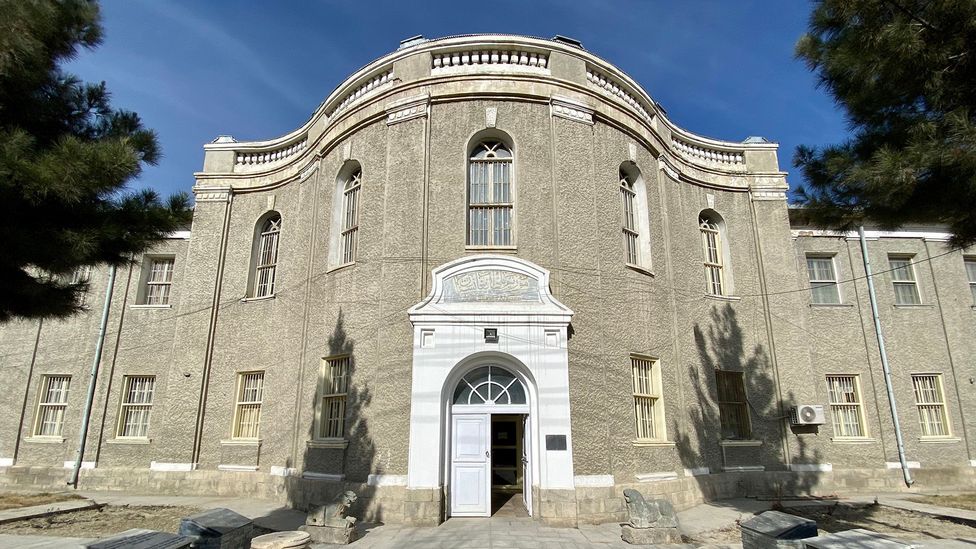
National Museum of Afghanistan
The National Museum of Afghanistan is a hidden gem in the heart of Kabul. Established in 1919, it is one of the oldest museums in Central Asia and houses an impressive collection of over 100,000 artifacts. The National Museum of Afghanistan is a veritable treasure trove of cultural heritage, and it is well worth a visit if you find yourself in Kabul.
It is a great place to learn about Afghanistan's rich history and culture. In this article, we will explore the history of the museum and some of its most notable exhibits.
History of the National Museum of Afghanistan
The National Museum of Afghanistan, located in Kabul, is a museum dedicated to the history and culture of Afghanistan. The museum was founded in 1919 by the Afghan government during the reign of King Amanullah Khan. It houses a collection of over 100,000 artifacts, making it one of the largest museums in Asia.
The National Museum has a rich history reflecting Afghanistan's turbulent past. At that time, Afghanistan was undergoing a period of reform and modernization, and the establishment of the museum was part of this process. However, the museum's development was soon interrupted by the war between Afghanistan and Britain in 1919. During the war, many of the museum's artifacts were looted or destroyed by British forces.
After the war, the construction of the museum resumed. The museum opened to the public in 1931, and since then, it has undergone several renovations and expansions. The museum was completely rebuilt during the most recent renovation, from 2004 to 2008.
Today, the National Museum is one of Kabul's most popular tourist attractions. It houses a wide range of artifacts from different periods of Afghan history. These include stone carvings from the Gandharan period (1st–3rd centuries AD), Buddhist statues from the Kushan period (1st–3rd centuries AD), and Islamic relics from more recent times. The museum also has Afghan crafts and music sections, a library, and a bookstore.
Collections of the Museum
The National Museum of Afghanistan is home to an incredible cultural heritage collection. This collection includes stone sculptures, ceramics, coins, jewelry, and textiles from the pre-Islamic period up to the present day.
The museum's collection includes artifacts from the pre-Islamic period, the Islamic period, and the modern period.
The pre-Islamic collection includes artifacts from the Bronze Age, the Iron Age, and the Achaemenid Empire. Here, Bronze Age artifacts include sculptures, pottery, and weapons. The Iron Age artifacts include jewelry, coins, and tools. The Achaemenid Empire artifacts include statues, reliefs, and inscriptions.
The Islamic period collection includes artifacts from the Umayyad Caliphate, the Abbasid Caliphate, and the Safavid Dynasty. Here, the Umayyad Caliphate artifacts include glassware, metalwork, and ceramics. The Abbasid Caliphate artifacts include coins, manuscripts, and textiles. The Safavid Dynasty artifacts include carpets, metalwork, and ceramics.
The modern period collection includes artifacts from the 19th century and 20th century. Here, 19th-century artifacts include clothing, furniture, and paintings. The 20th-century artifacts include photographs, movies, and books.
The Museum Today
The National Museum of Afghanistan has come a long way since it was first established in 1919. Today, the museum is a world-renowned institution that houses some of the most significant collections of Afghan cultural heritage.
Since its inception, the museum has undergone numerous changes and expansions. In the early years, the focus was on collecting and preserving archaeological artifacts from sites across Afghanistan. This mission expanded in subsequent years to include other aspects of Afghan culture, such as traditional crafts, musical instruments, and textiles.
Today, the National Museum of Afghanistan is the country's one of the leading research and educational institution. It houses an extensive collection of artifacts that shed light on Afghanistan's rich history and culture. The museum also offers a variety of educational programs for both local and international visitors.
Visiting the National Museum of Afghanistan
The National Museum of Afghanistan in Kabul is a treasure trove of the country's cultural heritage. The best way to reach the National Museum of Afghanistan is by car or taxi. There are many private car and taxi services available in Kabul that can take you to the museum. The journey by car or taxi from the Kabul International Airport to the museum should take around 30 minutes.
While traveling within Kabul, you can also use the public bus system to reach the National Museum of Afghanistan.
The museum houses an impressive collection of artifacts from the pre-Islamic and Islamic periods and the Soviet era. The museum's collections include items from ancient coins and pottery to jewelry and weapons.
Visitors can also see a variety of stone sculptures, paintings, and tapestries. The National Museum of Afghanistan is a must-see for anyone interested in the history and culture of Afghanistan.
Conclusion
The National Museum of Afghanistan is a true treasure trove of cultural heritage. With its rich collection of artifacts and artwork, the museum offers visitors a glimpse into Afghanistan's fascinating history and culture. Whether you are interested in the country's pre-Islamic period or its more recent history, the National Museum of Afghanistan is sure to have something of interest for you. So, if you find yourself in Kabul, pay a visit to this hidden gem.

00 Comments
No comments yet.
Leave a Comment