

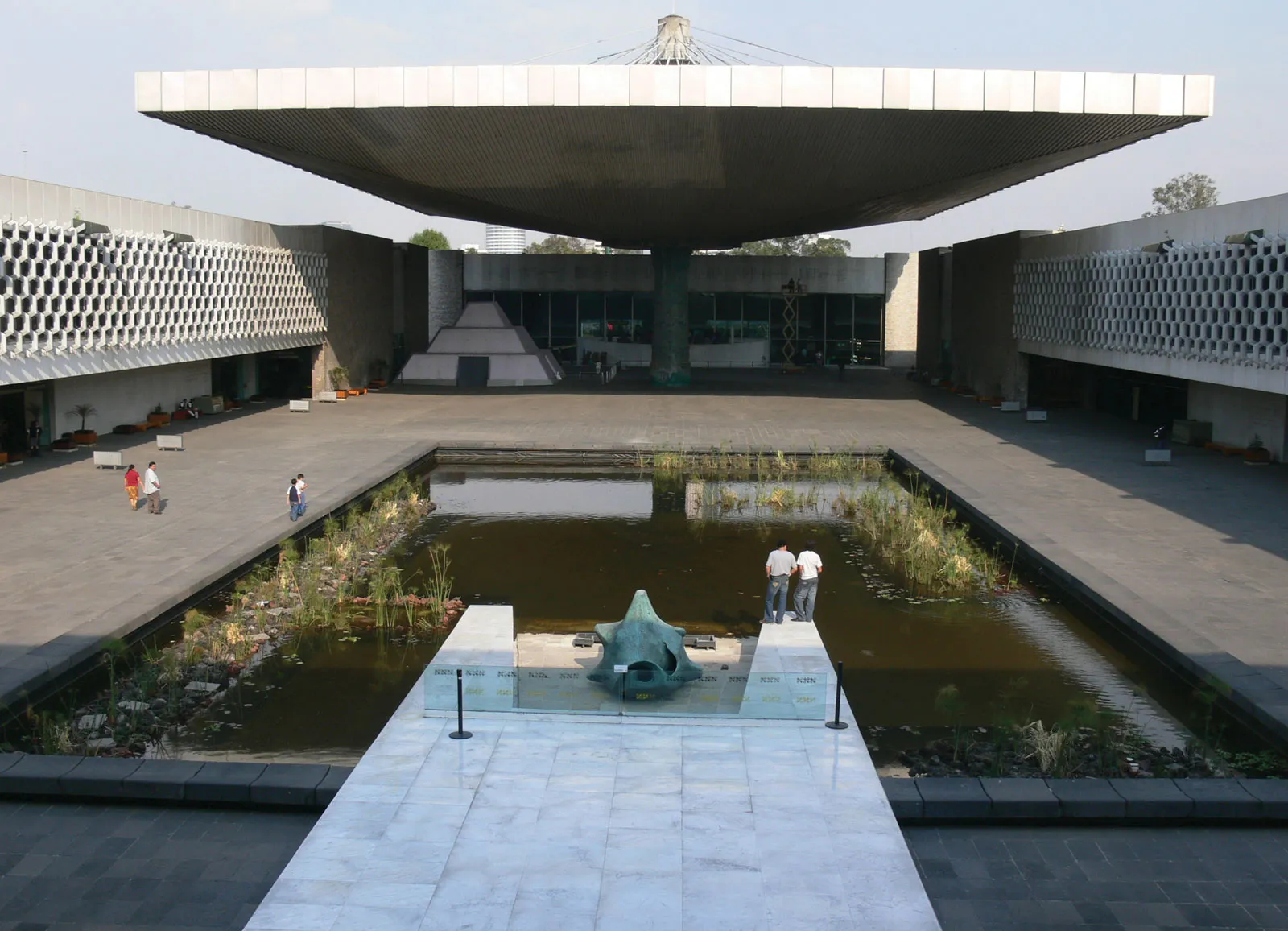
National Museum of Anthropology
The National Museum of Anthropology in Mexico is a top tourist destination. With the rich history, culture, and art of the country, the museum offers an insight into the past and present of Mexico. Visitors can explore the grandiose exhibitions, collections, and interactive activities that will give them a better understanding of the country's culture and history.
t houses an extensive collection of artifacts from the ancient cultures of Mexico, including the Aztecs, Mayans, and Olmecs. The museum is also home to a large number of Mexican colonial artifacts. Whether you're looking to learn more about Mexico's famous archaeological sites, its many ancient civilizations, or its vibrant art and culture, the National Museum of Anthropology has something for everyone.
This complete travel guide will provide you with all the information you need to make your visit to the museum a memorable one. From the history and significance of the museum to what to expect when you arrive, this guide will make sure you have everything you need for a successful trip. So, read on to learn more about the National Museum of Anthropology and get ready for your journey!
National Museum of Anthropology in Mexico: A Brief Introduction
The National Museum of Anthropology (Museo Nacional de Antropología), located in the heart of Mexico City, is one of the most important and prominent museums in the country. It is the most visited museum in Mexico and the third most visited museum in the world.
It houses an extensive collection of artifacts from the ancient cultures of Mexico, including the Aztecs, Mayans, and Olmecs. The museum is also home to a large number of Mexican colonial artifacts. It is the most important research center for the study of the history of Mexico and its people. The museum was founded in 1964, and today, it is one of the most important cultural institutions in the country and receives over two million visitors each year.
The National Museum of Anthropology is also home to several temporary exhibitions, as well as educational programs and workshops. In addition, the museum hosts numerous events, such as lectures, conferences, and concerts. With its variety of exhibitions and programs, the National Museum of Anthropology in Mexico City is an ideal destination for any traveler interested in learning about the country's rich cultural heritage.
History of the National Museum of Anthropology in Mexico
The National Museum of Anthropology in Mexico is an integral part of the country's cultural heritage and has a rich history that spans more than a century. The Museum (often referred to as the Museo Nacional de Antropología) is located in Mexico City and is the largest and most visited museum in Mexico.
The National Museum of Anthropology was created by the Mexican government in 1865, but its roots go back to 1825 when the country's first public museum was established. This museum was devoted mainly to natural history, but in 1906, it began to collect and exhibit objects from the ancient cultures of Mexico. In 1964, the National Museum of Anthropology was established, and it has been expanded several times since.
Today, the museum holds more than 700,000 objects from the pre-Hispanic, colonial, and modern eras. Visitors to the museum can learn about the history of the Aztec, Mayan, and other Mesoamerican cultures, as well as the Spanish colonial period. The museum also houses pieces from other cultures, such as Asian, African, and Oceanic.
The Architecture of the National Museum of Anthropology, Mexico
The gigantic structure was created in 1964 by Rafael Mijares Alcérreca, Jorge Campuzano, and Pedro Ramrez Vázquez. It has exhibition galleries encircling a courtyard with a large pond and a large square concrete umbrella supported by just one thin pillar.
Gardens surround the halls, several of which feature outdoor displays. The museum is located on 79,700 square meters (nearly 8 hectares) of space, which is equivalent to 857,890 square feet (almost 20 acres) and contains 23 rooms for displays.
Exhibits at the National Museum of Anthropology, Mexico
The Stone of the Sun, enormous Olmec stone heads discovered in the Tabasco and Veracruz jungles, Maya treasures found in the Sacred Cenote at Chichen Itza, a replica of the sarcophagus lid from Pacal's tomb at Palenque, and ethnological exhibits of modern rural Mexican life are among the museum's collections. Additionally, it features a scale model of Tenochtitlan, the old Aztec capital whose site is currently occupied by Mexico City's central business district.
All pre-Columbian civilizations found on present-day Mexican territory as well as in previous Mexican territory in what is now the southwest United States are covered by the permanent exhibits on the ground floor. They are divided into the following groups: North, West, Gulf of Mexico, Maya, Oaxaca, Mexico, Toltec, Teotihuacan, AND Toltec. The first floor's permanent exhibits depict the culture of Mexico's Native American people since Spanish colonialism.
The museum also organizes out-of-town exhibitions, which typically concentrate on other illustrious international cultures. History-related exhibits in the past have included ancient Iran, China, Egypt, Greece, Greece, and Russia.
Visiting the National Museum of Anthropology, Mexico
To start, visiting the museum can take anywhere from a few hours to an entire day. With over 23 galleries, it's important to plan your visit carefully. The main hall houses the main exhibit which is divided into several sections. These sections cover the major ethnic groups which have made up Mexico's history, from the Olmecs to the Mayans and Aztecs. Each section contains a variety of artifacts, from pottery to murals to sculptures. There are also interactive displays that allow visitors to get a hands-on experience with some of the artifacts.
In addition to the main exhibit, the museum also houses several smaller galleries. These galleries focus on more specific topics, such as Pre-Hispanic religion and art, as well as Mesoamerican art and culture. There's also a gallery dedicated to modern art, showcasing a variety of works from well-known Mexican artists.
When you're done exploring the museum, there's no shortage of things to do nearby. From the nearby Chapultepec Park to Zocalo square, the area is packed with restaurants, bars, and shops. Plus, the nearby Metro station makes it easy to get around the city.
How to get to the National Museum of Anthropology in Mexico
The National Museum of Anthropology is located in the Chapultepec Park district of Mexico City. The best way to get there is by metro, and the closest metro station to the museum is Chapultepec.
You can also take a bus or taxi to the museum, but note that traffic in Mexico City can be very congested. Once you arrive at Chapultepec station, follow the signs to the museum, which is about a 10-minute walk from the station.
The National Museum of Anthropology is open from Tuesday to Saturday from 10 am to 5 pm. It is closed on Sundays, Mondays, and national holidays.
Conclusion
The National Museum of Anthropology in Mexico is a world-renowned museum that houses some of the most important and celebrated artifacts from Mexican history. The museum is located in the heart of Mexico City and is one of the most popular tourist destinations in the city.
With its vast collection of artifacts and interactive displays, it's sure to leave you with a greater appreciation for Mexico's history and culture. So, if you're planning a trip to Mexico, make sure to add this museum to your list of must-see attractions!

00 Comments
No comments yet.
Leave a Comment