
Traveller

Okavango Delta

Okavango Delta

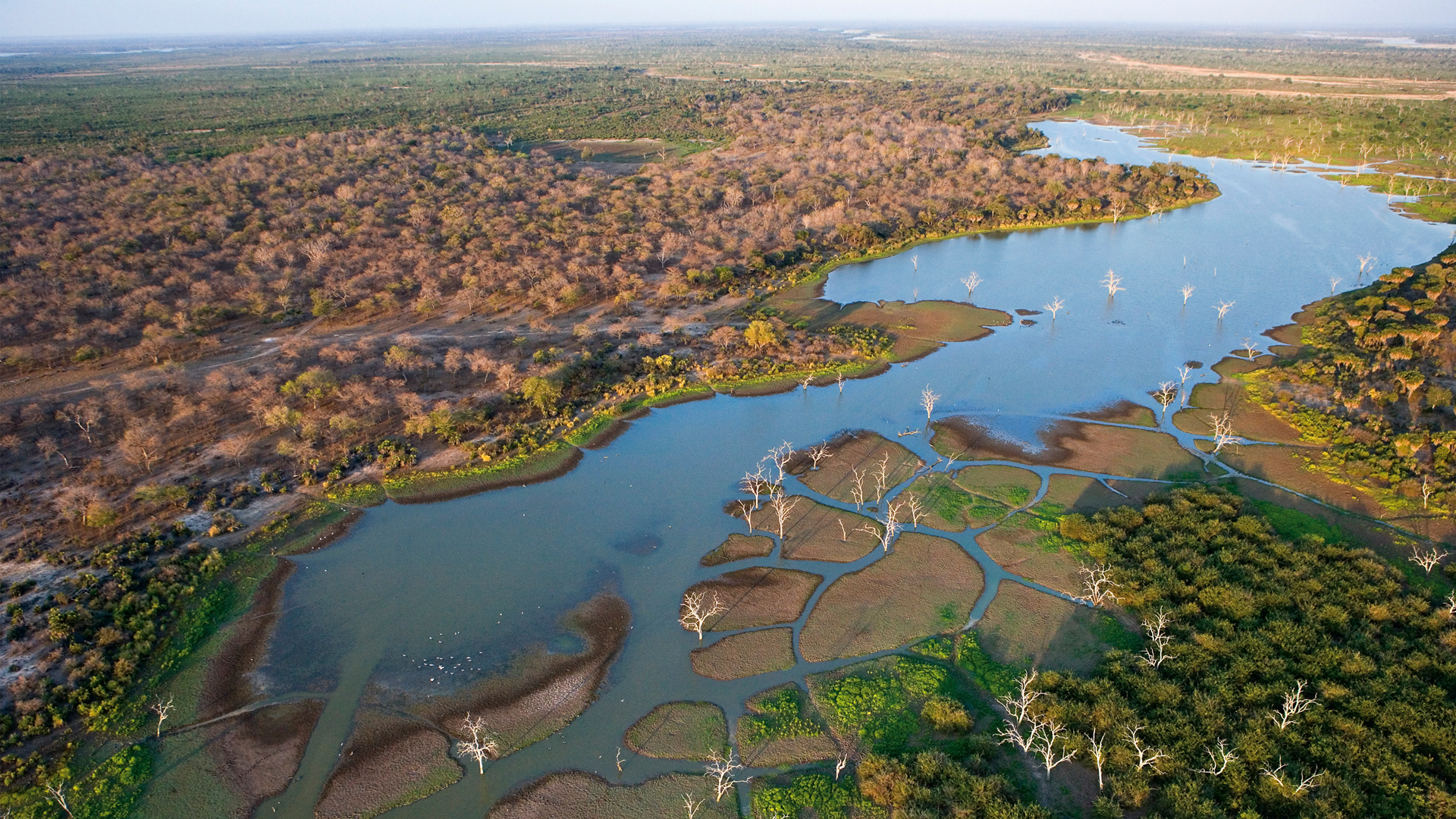
The Okavango Delta in Botswana is a UNESCO World Heritage Site and is one of the most unique places on earth. This Delta is a large inland river delta that covers an area of over 2,023,590 hectares. It is located in the northwestern part of the country and is fed by the Okavango River. The Delta is home to a wide variety of wildlife, including lions, elephants, leopards, buffalos, and rhinos. Additionally, it is a well-liked location for bird watching.

Visitors to the Okavango Delta can participate in safaris, boat tours, and other activities. In this article, we will take a look at the Okavango Delta and its features.

Geography of the Okavango Delta

The Okavango Delta is a UNESCO World Heritage Site located in Botswana. The Delta has various wildlife, including elephants, lions, and hippos. The area is also known for its birdlife, with over 500 species of birds inhabiting the region. Visitors can enjoy safari adventures, boat cruises, and mokoro rides (traditional canoe trips).

The geography of the Okavango Delta is unique. The Delta is an inland delta that forms when the Okavango River flows into the dry sands of the Kalahari Desert. This freshwater oasis supports a diverse array of plant and animal life in an otherwise arid landscape. The delta is the formation of seasonal flooding.

The Okavango Delta covers an area of approximately 2,023,590 hectares. It is bordered by the Moremi Game Reserve to the east and the Makgadikgadi Pans National Park to the west.

The region comprises three main ecosystems: the floodplains, the woodlands, and the dryland areas.

·        The floodplains are seasonally inundated with water.

·        The woodlands are made up of evergreen trees and bushes.

·        The dryland areas include grasslands and acacia forests.

Chief's Island was a creation of a fault line that uplifted a region over 70 km long and 15 km wide. It is also the largest island in the Okavango Delta. Historically, it was set aside as the chief's hunting territory, but it is now a wildlife sanctuary. Despite its remote location, the Okavango Delta is a popular tourist destination. There are also several lagoons located within the delta region.

The Climate at Okavango Delta

Botswana has a sizable wetland region called the Okavango Delta. It supports a diverse range of wildlife, including many rare and endangered species. The months of December through February are hot and humid, with daily highs of 40 °C (104 °F), warm evenings, and humidity levels that range from 50 to 80%. The temperature drops from March to May, peaking at 30 °C (86 °F) during the day and pleasant to cool at night. The rains quickly stop during the chilly winter months of June to August. In the delta, nights can be cold, with temperatures hardly above zero.

Flora and Fauna of the Okavango Delta

The Okavango Delta is a UNESCO World Heritage Site in Botswana and is home to various flora and fauna. The diverse ecosystem of the Delta supports a wide range of wildlife, including elephants, lions, leopards, buffalos, and rhinos.

The Okavango Delta is also home to about 400 bird species, such as the African fish eagle, Pel's fishing owl, helmeted guineafowl, African jacana, ostrich, wattled crane, the crested crane, and many more. The Delta also has reptiles such as the Nile crocodile and hippopotamus.

The Okavango Delta has 71 species of fish, including tigerfish, tilapia, and several catfish species. Fish sizes range from 1.4 m to 3.2 cm.

There are 1068 plants in the Okavango Delta, divided into 134 families and 530 genera. The perennial swamp contains five significant plant communities: Phragmites australis, Typha capensis, and Pycreus in the middle, Miscanthus in the shallowly flooded areas, and Papyrus cyperus in the deeper waters.

The Okavango Delta is a habitat for many threatened and endangered species, such as the African wild dog and cheetah. Conservation efforts are underway to protect this unique ecosystem and its wildlife.

Threats to Okavango Delta

The Okavango Delta is facing threats from climate change, overgrazing, and other human activities.

Oil extraction by the Canadian company ReconAfrica is one potential threat to Delta. Climate change is causing the Okavango Delta to dry up. Okavango River, which has its source in Angola, feeds the delta. The river flows through the Kalahari Desert and into the delta, where it evaporates. This process is vital to the delta's ecosystem.

Overgrazing is another threat to the Okavango Delta. Livestock such as cattle consumes large amounts of vegetation, leaving little for other animals to eat. It can lead to desertification, as happened in the Sahel region of Africa.

How to Get to the Okavango Delta

The Okavango Delta is one of the most unique and biodiverse places on earth. It is also a UNESCO World Heritage Site. The best way to get to the Okavango Delta is by flying into Maun, Botswana. From Maun, you can take a bush plane or a mokoro (dug-out canoe) into the delta.

What to Do in the Okavango Delta

The Okavango Delta is a world-renowned Ramsar wetland and UNESCO World Heritage Site in Botswana. The area is well known for its unique wetland ecosystem, which supports numerous wildlife species.

There are many different ways to explore the Okavango Delta, but one of the best ways is by taking a mokoro (traditional canoe) ride through the waterways. It is a great way to see the wildlife up close and appreciate the beauty of the wetland environment. Other activities in the Okavango Delta include game drives, bush walks, and bird watching.

No matter how you explore it, the Okavango Delta will leave you with lifelong memories.

Conclusion

The Okavango Delta is an incredible place and a UNESCO World Heritage Site. You can explore the different ecosystems by going on a safari. And, of course, there are stunning sunsets over the water. There is so much to explore in this astonishing corner of Botswana. You will see the incredible wildlife and the stunning landscapes. So add Okavango Delta to your list while planning a trip to Botswana.

00 Comments

No comments yet.

Leave a Comment

We are offering for you

Featured Articles

Niagara Falls

Niagara Falls is one of the most popular tourist destinations in North America. Every year, millions of people visit Niagara Falls to see the amazing sights and experience the natural wonders of this world-famous destination.

The History of Niagara Falls

Niagara Falls has been a tourist destination for centuries. The first person to visit Niagara Falls was Father Louis Hennepin, a French missionary, in 1678. He wrote about the beauty of the falls, which attracted other European explorers and settlers to the area.

In the early 19th century, Niagara Falls became a popular honeymoon destination for American couples. The popularity of the falls as a tourist destination grew throughout the 19th and 20th centuries. Today Niagara Falls is one of the most popular tourist destinations, attracting millions of visitors each year.

The Different Views of Niagara Falls

There are three different ways to view Niagara Falls: from the Canadian side, from the American side, and from above.

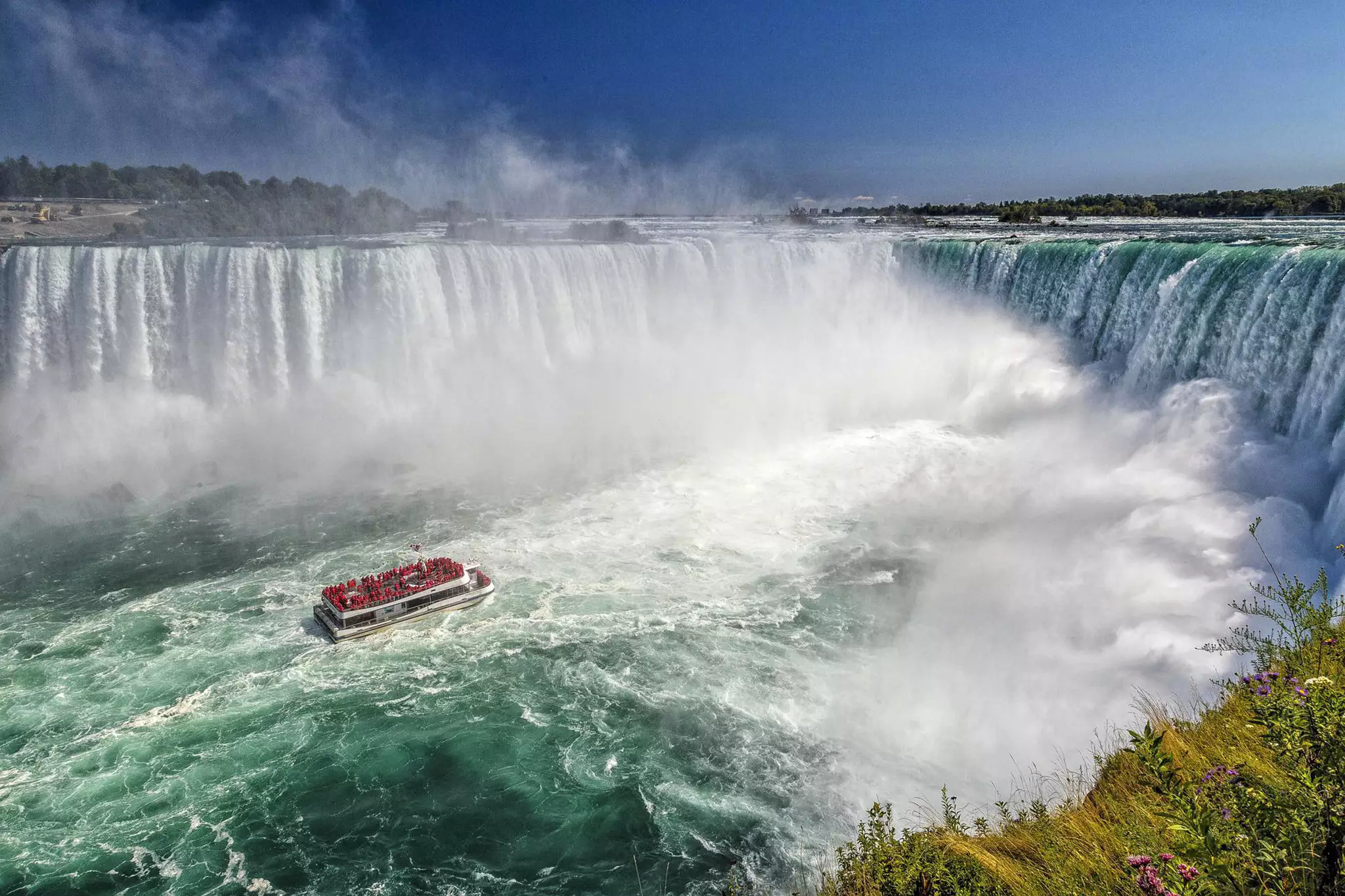
·        The Canadian side offers the best views of Niagara Falls. There are several observation decks, viewing areas, and a boardwalk that takes you right to the edge of the falls. You can also take a ride on the Maid of the Mist boat tour, which gets you up close and personal with the falls.

·        The American side offers different views of Niagara Falls than what you will see from the Canadian side. The most popular spot to view Niagara Falls on the American side is Goat Island, where you can walk out to the edge of Horseshoe Falls. Another great spot for views is Prospect Point Park, where you can get a bird’s eye view of all three waterfalls.

·        For something truly unique, take a trip aboard the Niagara Gorge Railway and enjoy panoramic views of Niagara Falls from above. It is a great way to see all three waterfalls at once and get an idea of how massive they are.

The Edge of the Niagara Falls

The edge of the falls is the best place to see the power of the water as it tumbles over the precipice. Several observation decks along the Niagara Gorge offer breathtaking views of the falls. The Rainbow Bridge, which spans the gorge just upstream from the falls, is a popular spot for picture-taking and boasts an up-close view of both the American and Horseshoe Falls.

Daredevils of Niagara Falls

Since the early days of Niagara Falls, people have been drawn to its raw power and beauty. Over the years, many have attempted to conquer the falls, often with tragic results. Here are some of the most famous (or infamous) daredevils who have taken on Niagara Falls:

·        Annie Edson Taylor was the first person to go over Niagara Falls in a barrel. She did it on her 63rd birthday in 1901 to achieve fame and fortune. Thankfully, she survived the stunt and lived to tell the tale.

·        Bobby Leach was the second person to went over Niagara Falls in a barrel. He did it in 1911 and also survived. Later he performed other stunts, including walking across a tightrope stretched over the falls.

·        Charles Stephens attempted to go over Niagara Falls in a barrel in 1920 but died during the attempt. His body is still missing.

·        Red Hill Sr., along with his son Red Hill Jr., became the first (and only) father and son duet, who went over Niagara Falls together in a barrel. They did it in 1951, and both survived.

·        Nik Wallenda became the first person to walk across Niagara Falls on a tightrope in 2012. He completed the stunt, which was televised live around the world.

How to get to Niagara Falls

Niagara Falls are located on the border between the United States and Canada, so there are a few different ways to reach them depending on your location.

If you are coming from the United States, the easiest way to get to Niagara Falls is by car. Several highways lead right to the falls, and once you cross the border into Canada, signs will point you in the right direction.

If you are coming from Toronto or another Canadian city, you can take a bus or train to Niagara Falls.

Once you arrive in Niagara Falls, there are plenty of ways to get up close and personal with the falls.

·        You can walk along the edges of the waterfall.

·        You can ride an elevator to the top of one of the falls for an incredible view.

·        You can also take a boat tour that takes you right into the spray of the falls.

Travel Guide for Niagara Falls

While planning a trip to Niagara Falls, there are a few things to know before visiting. Here is a travel guide for sightseers that will help you make the most of your trip:

When to Visit: The best time to visit Niagara Falls is during the summer season when the weather is warm and sunny. However, keep in mind that June through August are also the busiest months at Niagara Falls, so expect large crowds. If you want to avoid the crowds, plan your trip for September or October when the weather is still pleasant.

What to See: There is more to see at Niagara Falls than just the falls themselves. Be sure to take a ride on the Maid of the Mist boat tour for an up-close look at the powerful falls, and do not forget to visit Goat Island for some fantastic views. For something truly unique, check out 'Journey Behind the Falls', where you can stand inside a cave behind the raging waters of Horseshoe Falls.

What to Do: Other than sightseeing, there are plenty of other activities to enjoy at Niagara Falls. Take a walk along one of the many scenic trails, go whitewater rafting or tubing down the rapids, or take a helicopter.

Where to stay when visiting Niagara Falls

The first question you need to ask when trying to find accommodation in Niagara Falls is, how close to the Falls do you want to be?

If your priority is to walk out of your door and see the Falls, then you can stay in hotels like the Niagara Falls Marriott or the Sheraton on the Falls. Both of these come with a high price tag, so if you are looking for something more budget-friendly, there are plenty of other hotels located a little further away from the Falls. These hotels will still give you easy access to all the main attractions.

If you are hoping to do some wine touring, then it might be worth considering staying in Niagara-on-the-Lake. This quaint town, situated right in the middle of Ontario's wine country, offers visitors plenty of options for day trips and activities. There are also several good restaurants and cafes, as well as several bed and breakfasts if you are looking for a more intimate accommodation option.

No matter where you choose to stay, there is no doubt that Niagara Falls is an incredible destination that will leave you with memories to last a lifetime.

Conclusion

Niagara Falls is one of the world's most famous natural wonders and a must-see for any traveler. With its three massive waterfalls, Niagara Falls is one of the most famous waterfalls in the world to be visited once in a lifetime. This travel guide will help you make the most of your visit to Niagara Falls, from where to stay and what to do, to how to best experience this natural wonder. So start planning your trip to Niagara Falls today.