

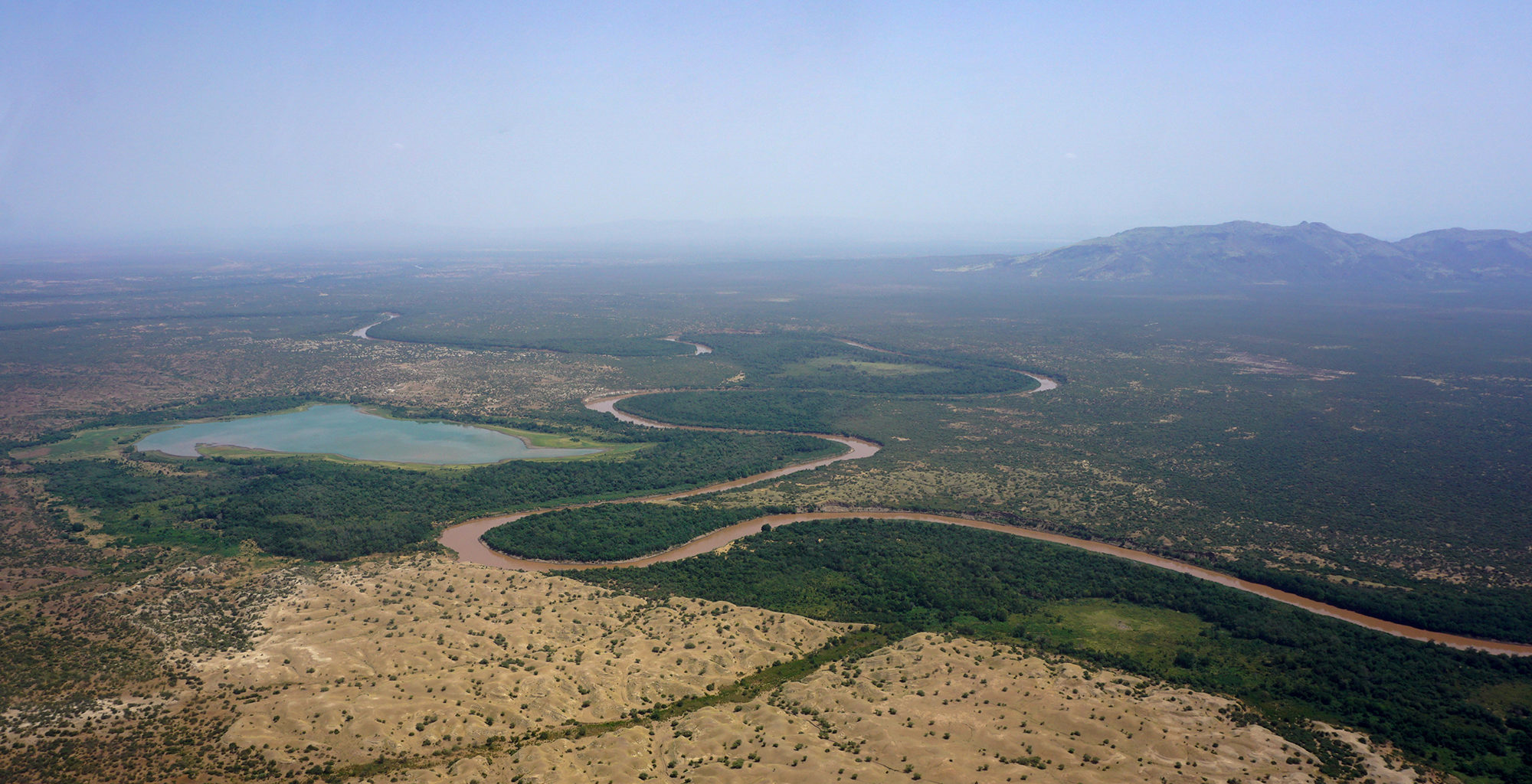
Omo Valley
Introduction
Hidden in the remote southwestern region of Ethiopia lies one of Africa’s most culturally fascinating and diverse destinations—the Omo Valley. Known for its ancient tribal traditions, striking landscapes, and deep anthropological significance, this remarkable region offers travelers a rare glimpse into ways of life that have endured for centuries.
Located along the Omo River, Omo Valley is home to numerous indigenous communities, each with its own language, customs, clothing, rituals, and social structures. The valley has become internationally recognized for preserving some of Africa’s oldest living cultural traditions.
For travelers seeking authentic cultural experiences, human history, and extraordinary photography opportunities, the Omo Valley provides one of the most unforgettable journeys in Africa.
Geography and Environment
The Omo Valley is located in southwestern Ethiopia, extending along the fertile basin of the Omo River toward Lake Turkana in neighboring Kenya.
The region features diverse landscapes that include savannahs, semi-arid plains, river valleys, mountains, and grasslands. Seasonal flooding of the Omo River has historically supported agriculture and pastoral life for local communities.
The climate is generally hot and dry, though rainfall patterns vary depending on elevation and season.
Despite modernization in other parts of Ethiopia, much of the Omo Valley remains remote and relatively isolated, helping preserve traditional ways of life.
This geographical isolation has played a major role in maintaining the valley’s extraordinary cultural diversity.
Indigenous Tribes and Cultural Diversity
The Omo Valley is famous for its indigenous tribes, many of whom continue to practice customs and traditions passed down through generations.
Among the most well-known groups are the Mursi Tribe, recognized for lip plates worn by women as symbols of beauty and identity.
The Hamar Tribe are known for elaborate hairstyles, body adornments, and ceremonial traditions such as bull-jumping rituals.
Other important communities include the Karo, Dassanech, Arbore, Nyangatom, and Banna peoples, each maintaining unique languages, clothing styles, and social customs.
Traditional body painting, scarification, beadwork, and handmade jewelry remain important forms of artistic and cultural expression throughout the valley.
The diversity of cultures within a single region makes the Omo Valley one of the most anthropologically significant places in Africa.
Ancient Traditions and Rituals
One of the most fascinating aspects of the Omo Valley is the preservation of ancient rituals and ceremonies.
Many tribal communities continue to practice rites of passage marking transitions into adulthood, marriage, and social status.
Among the Hamar people, the famous bull-jumping ceremony represents a young man’s transition into adulthood and eligibility for marriage.
Dance, music, storytelling, and ceremonial gatherings play vital roles in strengthening community bonds and preserving oral history.
Traditional lifestyles based on cattle herding, farming, and seasonal migration remain central to daily life in many villages.
These customs provide visitors with rare insight into cultures that remain deeply connected to ancestral traditions.
Archaeological and Anthropological Importance
The Omo Valley is not only culturally important but also scientifically significant in the study of human evolution.
Archaeological discoveries in the region have uncovered some of the oldest human fossils ever found, helping researchers better understand early human history.
Because of its importance, the Lower Omo Valley has been recognized as a UNESCO World Heritage Site.
The valley’s combination of living tribal cultures and ancient archaeological heritage makes it one of the world’s most important regions for anthropology and human history.
Researchers, historians, and cultural scholars continue to study the area’s extraordinary historical significance.
Landscapes and Natural Beauty
Beyond its cultural richness, the Omo Valley also offers dramatic natural landscapes.
The Omo River winds through fertile valleys and dry plains, supporting both wildlife and human settlements.
Sunsets across the savannahs create spectacular scenery, while mountains and acacia-covered plains add to the region’s rugged beauty.
Traditional villages built from natural materials blend harmoniously into the surrounding environment.
The untouched landscapes of the valley enhance the sense of traveling through a world largely unchanged by modern development.
Wildlife and Ecosystem
The Omo Valley supports diverse ecosystems and wildlife species adapted to East Africa’s varied landscapes.
Wild animals such as antelope, crocodiles, hippos, and numerous bird species inhabit the river systems and surrounding plains.
The Omo River remains a vital source of water and life for both people and wildlife throughout the region.
Environmental balance is closely tied to seasonal flooding patterns and traditional land use practices.
Although the valley is primarily known for its cultural heritage, its natural ecosystems are equally important to the region’s identity and survival.
Adventure and Cultural Exploration
Traveling through the Omo Valley is an immersive adventure into one of Africa’s most remote cultural landscapes.
Visitors often travel by rugged roads between villages, crossing rivers and vast plains to meet different tribal communities.
Photography opportunities are extraordinary due to the vibrant clothing, traditional ceremonies, and dramatic scenery.
Cultural tours provide opportunities to learn directly from local communities about their customs, crafts, and daily life.
The experience is both visually stunning and deeply educational, offering travelers a rare perspective on human diversity and resilience.
Sustainability and Ethical Tourism
As tourism grows in the Omo Valley, ethical and sustainable travel practices have become increasingly important.
Respectful tourism is essential to preserving the dignity, traditions, and autonomy of indigenous communities.
Responsible tour operators work closely with local tribes to ensure tourism benefits local economies and supports cultural preservation.
Visitors are encouraged to seek permission before taking photographs, respect cultural practices, and avoid exploitative behavior.
Balancing tourism with cultural integrity is critical for protecting the valley’s heritage and communities.
Best Time to Visit the Omo Valley
The best time to visit the Omo Valley is during the dry season between October and March, when roads are more accessible and travel conditions are easier.
The cooler months also provide more comfortable temperatures for exploring villages and landscapes.
Cultural festivals and ceremonies may occur throughout the year depending on tribal traditions and seasonal cycles.
Travelers should prepare for remote conditions and long journeys between destinations.
Transport and Accessibility
The Omo Valley can be reached from Addis Ababa by domestic flights or overland journeys.
The main gateway towns include Jinka, Turmi, and Arba Minch, which serve as bases for exploring nearby tribal regions.
Travel within the valley often requires four-wheel-drive vehicles due to rough roads and remote terrain.
Guided tours are strongly recommended because of the complexity of navigating cultural regions and transportation logistics.
Although reaching the Omo Valley requires effort, the experience is unlike any other destination in Africa.
Why Visit the Omo Valley?
The Omo Valley offers one of the most authentic and culturally rich travel experiences in the world. Its extraordinary tribal diversity, ancient traditions, and untouched landscapes provide a rare opportunity to witness living cultures deeply connected to their heritage.
Visitors can explore communities that preserve customs dating back centuries while learning about one of humanity’s most historically significant regions.
For cultural travelers, photographers, anthropologists, and adventurers, the Omo Valley is a truly unforgettable destination.
Conclusion
The Omo Valley stands as one of Africa’s greatest cultural treasures. From ancient tribal rituals and traditional lifestyles to dramatic landscapes and archaeological discoveries, the valley represents a powerful connection between humanity’s past and present.
Far removed from the modern world, the Omo Valley offers travelers a rare chance to experience cultures shaped by resilience, identity, and tradition.
For those seeking meaningful travel experiences and deeper understanding of human diversity, the Omo Valley provides an extraordinary journey into the heart of Ethiopia’s ancient heritage.

00 Comments
No comments yet.
Leave a Comment