

Patagonia
Introduction
Patagonia, stretching across southern Chile and Argentina, is one of the world’s most dramatic and remote travel destinations. Known for its jagged mountain peaks, massive glaciers, turquoise lakes, and vast windswept plains, Patagonia represents raw, untamed natural beauty. Often referred to as “the end of the world,” this region offers travelers an extraordinary combination of adventure, solitude, and breathtaking scenery.
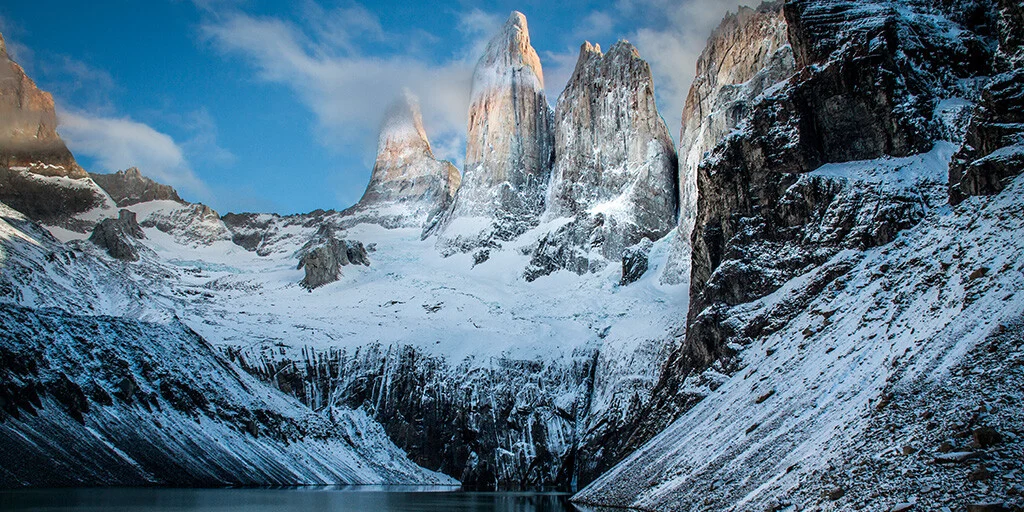
Shared between two countries, Patagonia showcases diverse landscapes shaped by ancient glaciers, powerful winds, and tectonic forces. From the granite towers of Torres del Paine National Park in Chile to the towering presence of Mount Fitz Roy in Argentina, Patagonia is a paradise for hikers, photographers, and nature lovers seeking unforgettable experiences.
Geographical and Environmental Significance
Patagonia spans over one million square kilometers across southern South America, extending from the Andes Mountains to the Atlantic and Pacific Oceans. The Andes serve as the backbone of the region, dividing Chilean Patagonia’s fjords and rainforests from Argentina’s arid steppe plains.
The region’s geography is defined by glaciers, ice fields, rivers, and volcanic formations. The Southern Patagonian Ice Field, one of the largest ice masses outside Antarctica and Greenland, feeds numerous glaciers, including the spectacular Perito Moreno Glacier.
Patagonia’s climate is unpredictable, with strong winds, rapidly changing weather, and distinct microclimates. These conditions contribute to its rugged beauty and ecological diversity, making it one of the most unique natural environments on Earth.
Landscapes and Natural Wonders
Patagonia’s landscapes are among the most iconic in the world. In Chile, Torres del Paine National Park is famous for its dramatic granite towers rising above glacial lakes and golden grasslands. Visitors can hike the renowned W Trek or O Circuit, experiencing panoramic views of glaciers, waterfalls, and snow-capped peaks.
In Argentina, Los Glaciares National Park is home to Mount Fitz Roy and Perito Moreno Glacier. The glacier is particularly remarkable because it continues to advance, regularly calving massive ice chunks into Lake Argentino.
Patagonia also features fjords carved by ancient ice, remote forests filled with lenga and coihue trees, and expansive plains where the horizon seems endless. Whether exploring by foot, boat, or horseback, every corner of Patagonia reveals awe-inspiring natural beauty.
Wildlife and Biodiversity
Despite its harsh conditions, Patagonia supports a surprising variety of wildlife. Guanacos roam the open plains, while Andean condors soar above mountain peaks. In protected areas, visitors may encounter pumas, foxes, and rare huemul deer.
Along the coast, marine life flourishes. The Valdés Peninsula in Argentina is renowned for whale watching, where southern right whales gather seasonally. Penguins, sea lions, and orcas also inhabit the region’s coastal waters.
Patagonia’s ecosystems range from temperate rainforests in Chile to dry shrublands in Argentina, contributing to its ecological richness and global environmental significance.
Culture and Local Heritage
Patagonia’s cultural heritage reflects a blend of indigenous traditions and European influence. Indigenous groups such as the Mapuche and Tehuelche have inhabited the region for centuries, maintaining deep spiritual connections to the land.
European settlers, particularly from Wales and Italy, left lasting cultural imprints in Argentine Patagonia. Small towns throughout the region preserve distinct traditions, architecture, and culinary influences.
Ranching, or “estancia” life, remains central to Patagonian identity. Sheep farming historically shaped the region’s economy, and today visitors can experience estancia stays that highlight traditional rural life.
Cuisine of Patagonia
Patagonian cuisine emphasizes local ingredients and hearty flavors suited to its cool climate. In Argentina, grilled lamb cooked over open flames—known as cordero patagónico—is a regional specialty. Fresh trout and salmon from glacial rivers are also popular.
Chilean Patagonia features seafood from its extensive coastline, including king crab and mussels. Local craft beers and Argentine wines, especially Malbec, complement traditional dishes.
Food in Patagonia reflects simplicity and authenticity, often prepared in rustic settings that enhance the region’s adventurous atmosphere.
Sustainability and Environmental Conservation
Patagonia has become a global symbol of conservation efforts. National parks on both sides of the border protect vast areas of wilderness from industrial development.
Philanthropic initiatives and conservation projects have played a key role in preserving ecosystems, expanding protected lands, and promoting sustainable tourism. Visitors are encouraged to follow Leave No Trace principles, respect wildlife, and minimize environmental impact.
Sustainable tourism ensures that Patagonia’s glaciers, forests, and wildlife remain protected for future generations.
Best Time to Visit Patagonia
The best time to visit Patagonia is during the Southern Hemisphere summer, from November to March, when temperatures are milder and hiking trails are accessible. Daylight hours are long, allowing more time for exploration.
Spring (October and November) and autumn (March and April) offer fewer crowds and dramatic seasonal colors. Winter travel is possible but limited due to snow and harsh weather conditions.
Because weather can change rapidly, visitors should be prepared for wind, rain, and sudden temperature shifts regardless of season.
Transportation and Accessibility
Major gateways to Patagonia include Punta Arenas and Puerto Natales in Chile, and El Calafate and Ushuaia in Argentina. Domestic flights connect these cities to Santiago and Buenos Aires.
Travel within Patagonia often involves buses, rental cars, or guided tours. Due to the region’s vast distances and remote nature, careful planning is essential.
Despite its remoteness, Patagonia’s infrastructure supports eco-tourism while maintaining its wilderness character.
Why Patagonia Belongs on Your Travel Bucket List
Patagonia offers something increasingly rare in the modern world—true wilderness. Its dramatic mountains, active glaciers, and wide-open landscapes provide a sense of freedom and scale that few places can match.
For hikers, photographers, wildlife enthusiasts, and adventure travelers, Patagonia delivers world-class experiences. It is a destination where nature dominates the horizon and human presence feels secondary.
Traveling to Patagonia is not just about sightseeing—it is about immersion in one of the last great wild frontiers on Earth.
Conclusion
Patagonia, spanning Chile and Argentina, stands as one of the most spectacular natural regions in the world. From the iconic peaks of Torres del Paine and Mount Fitz Roy to the immense beauty of Perito Moreno Glacier, Patagonia showcases the power and grandeur of nature at its finest.
With its unique wildlife, cultural heritage, and commitment to conservation, Patagonia offers a travel experience that is both adventurous and deeply inspiring. For those seeking dramatic landscapes, ecological significance, and unforgettable outdoor experiences, Patagonia remains one of the ultimate destinations on the global travel map.
00 Comments
No comments yet.
Leave a Comment